Pokies Tips and Tricks: How Australian Machines Work
 Available in US
How Australian pokies work and what drives wins
The true scale of the Australian pokies market
Before you look for ways to win, you need to understand the environment you are stepping into. Pokies, formally known as electronic gaming machines (EGMs), are widely used in Australian pubs, clubs, and casinos. They are the most common form of gambling in the country, and the sheer volume of money flowing through these machines is difficult to comprehend until you see the figures laid out plainly.
Australians bet almost AUD$150 billion on electronic gaming machines in FY 2020-2021. That is the total amount wagered, the money pushed through the machines. Out of that staggering turnover, the player loss was AUD$12 billion. This is the money that left the hands of everyday people and remained with the venues, the state governments, and the operators. When you break that loss down across the population, the per-capita loss from electronic gaming machines in FY 2020-2021 was AUD$608. Every single person in the country, statistically speaking, lost over six hundred dollars in a single financial year.
Before you dive into pokies strategy for 2026, it helps to know which platforms actually back up the tips with solid welcome offers and reliable payouts. Here’s a quick, no-nonsense look at where you might put those tricks into practice.
License: Curacao Gaming Control Board OGL/2023/176/0095 (Hollycorn N.V.) · Bonus: up to A$1,500 + 200 free spins across 3 deposits Licensed under Curacao’s Gaming Control Board via Hollycorn N.V., this operator backs its offer with a welcome package worth up to A$1,500 plus 200 free spins split across three deposits, giving you room to test strategies over multiple sessions.
Bonus: up to A$750 + 50 jackpot spins, 35x wagering · Payout speed: crypto ~90 minutes, fiat 1-5 days · Min. deposit: A$30 You’ll find a welcome bonus of up to A$750 with 50 jackpot spins here, though the 35x wagering requirement means you’ll need a plan for clearing it. Fast crypto payouts of around 90 minutes stand out, while fiat withdrawals take a few days, and the low A$30 minimum deposit keeps entry accessible.
License: Curacao Gaming Authority (Jumpman Gaming Ltd) · Bonus: up to A$6,600 + up to 250 free spins across 4 deposits Licensed by the Curacao Gaming Authority under Jumpman Gaming Ltd, this casino offers a generous welcome package of up to A$6,600 plus up to 250 free spins spread across four deposits, ideal if you want extended bonus play.
License: Curacao Gaming Control Board OGL/2023/174/0082 (Dama N.V.) · Bonus: up to A$5,000 + 300 free spins across 4 deposits Operating under a Curacao Gaming Control Board licence via Dama N.V., this site offers up to A$5,000 plus 300 free spins across four deposits, giving you a substantial bankroll to experiment with pokies tactics.
License: international iGaming licence – jurisdiction not named in the source · Bonus: 100% up to A$1,000 + 100 free spins, 35x wagering · Payout speed: PayID 1-24 hours · Min. deposit: A$30 (PayID from A$10) While the exact licensing jurisdiction isn’t specified, this operator offers 100% up to A$1,000 plus 100 free spins with 35x wagering. PayID withdrawals processed within 1-24 hours and a minimum deposit as low as A$10 via PayID make it convenient for quick top-ups and cashouts.
License: Curacao · Bonus: up to A$10,000 multi-stage + 500 free spins · Min. deposit: A$20 (POLi) Licensed in Curacao, this casino stands out for its multi-stage bonus reaching up to A$10,000 combined with 500 free spins, plus a low A$20 minimum deposit via POLi for easy entry.
License: Curacao Gaming Control Board OGL/2023/176/0095 (Hollycorn N.V.) · Bonus: up to A$11,000 + 300 free spins (code NEO100) Licensed under Curacao’s Gaming Control Board through Hollycorn N.V., you can claim up to A$11,000 plus 300 free spins using the code NEO100, one of the larger welcome offers on this list.
License: Curacao eGaming OGL/2024/923/0383 (Antillephone N.V.) · Bonus: up to A$2,000 + 100 free spins across 2 deposits · Min. deposit: A$30 Holding a Curacao eGaming licence via Antillephone N.V., this operator offers up to A$2,000 plus 100 free spins across two deposits, with a A$30 minimum deposit to get started.
License: Curacao eGaming (Dama N.V.) · Bonus: up to A$10,000 + 180 free spins, 40x wagering Licensed through Curacao eGaming under Dama N.V., you can access a bonus of up to A$10,000 plus 180 free spins, though the 40x wagering requirement is worth factoring into your bankroll planning.
License: Curacao – Antillephone N.V. (Versus Odds B.V.) · Bonus: up to EUR 2,000 across 5 deposits + 200 free spins · Min. deposit: EUR 20 Licensed in Curacao via Antillephone N.V. under Versus Odds B.V., this casino spreads a bonus of up to EUR 2,000 across five deposits plus 200 free spins, with a EUR 20 minimum deposit to unlock the offer.
To put this into a global perspective, Australia is home to 3% of the world’s pub and club poker machines, despite having only 0.3% of the global population. According to complyadvantage.com, Australia holds about 18% of the world’s poker machines overall. This disproportionate concentration means that the machines are woven into the fabric of suburban life. They are not confined to a distant casino strip; they are in the local pub, the Returned Services League club down the road, and the sports leagues where families gather.
The regulatory landscape has tried to keep pace with this proliferation. The Interactive Gambling Act was passed on 28 June 2001, establishing a federal framework to manage the expansion of interactive gambling services. Yet, the physical pokies remain a dominant force. In New South Wales alone, there are approximately 95,800 pokies. The sheer density of these machines in NSW is reflected in the revenue they generate for the venues hosting them. Between December 2017 and May 2018, NSW clubs earned $1.945 billion net profit from pokies. This is not turnover; this is net profit—the money left over after every winning player has been paid out and every operating expense has been covered.
While the physical machines in pubs and clubs dominate the landscape, the financial scale extends into the broader gambling sector. According to complyadvantage.com, pokies generated $191.2 billion in Australian gambling turnover in 2023. This figure highlights how the move toward account-based and digital interfaces is expanding the scale of play.
When you sit down at a machine, you are not playing against a sequence of independent, random events that might turn in your favor at any moment. You are participating in a highly calibrated financial system designed to aggregate small, consistent losses over millions of plays. Understanding this is the first step toward realizing why seeking a guaranteed system to beat the machines is a flawed pursuit. The system is not broken; it is working exactly as designed.
How electronic gaming machines generate revenue
To understand what drives wins, you first have to understand what drives losses. An electronic gaming machine is a computer programmed to retain a specific percentage of the total money wagered over the long term. This is not a mechanical device relying on physical reels and blind chance; it is a sophisticated algorithmic engine.
When you press the spin button, the machine’s internal computer program generates a combination of symbols on the screen. The outcome of each spin is determined by a random number generator (RNG), a mathematical function that produces sequences of numbers that do not follow any predictable pattern. The RNG operates continuously, cycling through thousands of number combinations every second, even when the machine is not being played. The exact microsecond you press the button determines the outcome.
However, the randomness of the RNG does not mean the machine is fair in the way a coin toss is fair. The outcomes are weighted. The machine is programmed to land on losing combinations far more frequently than winning ones, and to land on small winning combinations more frequently than large ones. Over the lifecycle of the machine, the mathematics dictate that it will return a specific percentage of the money wagered and retain the rest.
Consider how a normal session unfolds. You insert your money, place your bet, and press spin. Sometimes you win a small amount. Sometimes you trigger a bonus feature or a sequence of free spins that feels like a significant payout. Sometimes you win a larger amount. But interspersed between these moments of positive reinforcement are long stretches of losing spins. The machine is designed to pace the delivery of wins and losses to create a near-miss experience—a psychological state where the outcome appears just one symbol away from a major win, prompting you to press the button one more time.
This pacing is what generates the AUD$12 billion in player losses seen in FY 2020-2021. It is not generated by people losing massive amounts in a single session, though that does happen. The vast majority of that loss is generated by millions of players losing amounts they consider "affordable" over hundreds of millions of individual spins. The machine is engineered to extract a steady, predictable margin from a vast volume of bets.
When players talk about "hot" and "cold" streaks, they are experiencing the short-term statistical variance of a system designed to regress to a specific long-term mean. A "hot" streak is simply the algorithm paying out a sequence of higher-than-average outcomes, which must eventually be balanced by a sequence of lower-than-average outcomes to maintain the programmed mathematical edge. A "cold" streak is the machine doing exactly what it is designed to do: retaining money to fulfill its long-term financial obligation to the venue and the operator.
Why the architecture of the machine makes winning difficult
You cannot trick a pokie into paying out. The design of the machine removes any possibility of skill, strategy, or timing influencing the outcome of a spin. Unlike a game of cards where you can calculate probabilities based on the cards already played, or a sports bet where you can analyze the form of the teams, an electronic gaming machine resets its mathematical state on every single spin.
The RNG ensures that the outcome of your previous spin has absolutely zero bearing on the outcome of your next spin. If a machine has just paid out a major jackpot, the probability of it paying out another major jackpot on the very next spin is exactly the same as it was before the first jackpot was hit. Conversely, if a machine has not paid out a significant win in hours, it is not "due" to pay out. The probability remains identical.
Chasing Losses
Chasing losses can quickly deplete your bankroll and may lead to significant financial harm.
This is where many players fall into the trap of chasing losses. There is a pervasive belief among players that if they persist long enough, the machine must eventually turn in their favor. This belief is fundamentally at odds with how the technology operates. The machine does not have a memory of what it owes you. It does not track the amount of money you have personally inserted and decide to give it back. Every spin is a fresh, isolated mathematical transaction where the odds are stacked against you.
The concept of "hot" and "cold" machines is a human invention designed to make sense of random statistical clusters. If you walk into a pub and see someone winning on a specific machine, it is natural to assume that machine is running hot and you should try your luck on the same one. Alternatively, if a machine has taken a lot of money without paying out, you might assume it is cold and avoid it. The reality is that the RNG governing the machine does not care about time, location, or human observation. The machine you saw paying out is exactly as likely to pay out on the next spin as the machine next to it that has been silent all day.
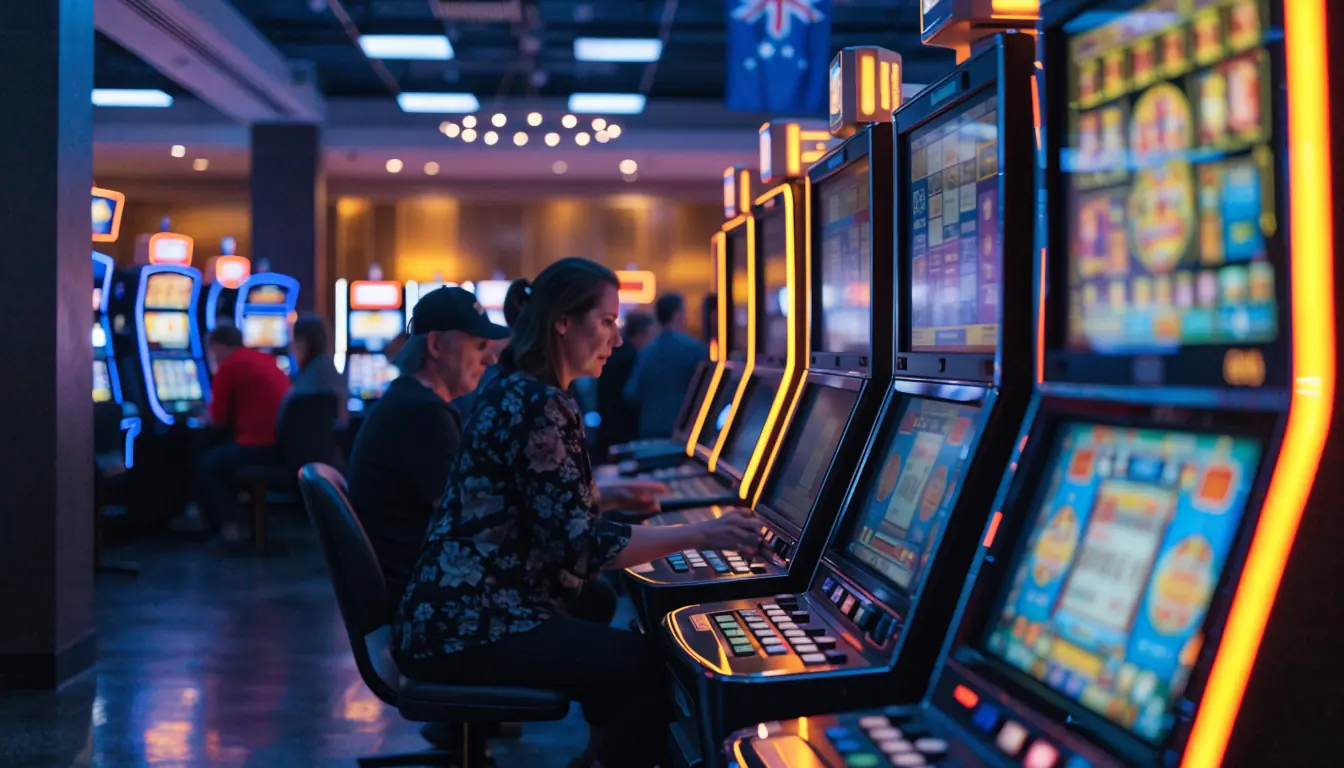
The physical design of the machines also plays a role in how revenue is generated. The screens are curved to maximize visibility and focus. The buttons are positioned ergonomically to reduce fatigue, allowing for rapid, continuous play. The sound effects are calibrated to frequencies that trigger excitement in the brain, and they are programmed to play winning sounds even when the payout is less than the amount wagered, creating an illusion of winning that masks the reality of a net loss.
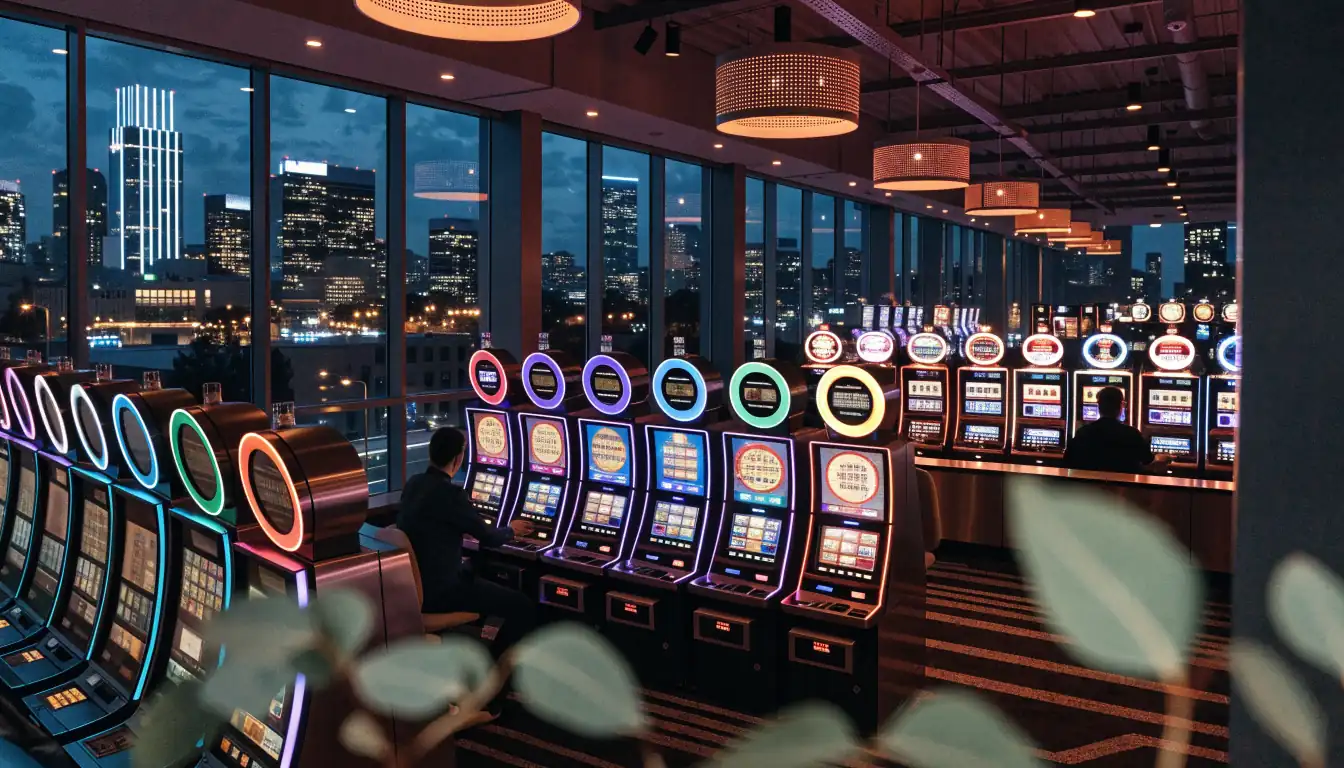
The lighting, the seating, and the layout of the venue are all designed to keep you in front of the screen for as long as possible. The longer you play, the more spins you make, and the more spins you make, the closer the machine comes to its long-term mathematical average. In the short term, you might experience a deviation where you are ahead. In the long term, the mathematics are absolute: the machine will retain its programmed percentage.
The illusion of strategies and systems
Because the outcomes of electronic gaming machines are governed by RNGs, any strategy promising to help you predict, influence, or manipulate the outcome of a spin is based on a fundamental misunderstanding of how the technology functions.
There is a common pursuit of tips to win pokies, where players look for advice on button sequences, timing, or machine selection. You might hear advice to play at specific times of day, or to stop playing after a certain number of spins. You might encounter systems claiming that betting higher denominations changes the probability of a win, or that the speed of pressing the button influences the RNG. None of this is true.
The RNG cannot be influenced by external physical inputs. Pressing the button hard or soft, pressing it quickly or slowly, does not alter the microsecond the computer registers the command. Changing your bet size alters the total amount of money you are risking and the potential size of a payout if you do win, but it does not alter the underlying probability of a winning combination landing on the screen.
The belief in "jackpot timing" is another widespread misconception. Players often believe that a machine must pay out its major prize eventually, and if they can outlast the competition, they will be there to collect it. But because the probability of the jackpot combination is fixed on every spin, a machine could theoretically go its entire operational lifespan without ever hitting a major jackpot, or it could hit it twice in ten minutes. The machine does not have a reservoir of money that it needs to empty. Every spin is an independent transaction.

Understanding this means accepting that any "tips for winning at the pokies" that claim to offer a method to beat the machine are offering a false sense of control. The environment is designed to make you feel like your actions matter, that your vigilance, your timing, or your chosen betting pattern is giving you an edge. This is the architecture of the engagement, not the architecture of a winning strategy.
The shift from physical hardware to digital interfaces
The landscape of electronic gaming in Australia is not static. While the physical machines in pubs and clubs remain the most visible representation of the market, the way players interact with these systems is changing. This shift is driven by both technological advancement and regulatory pressure to improve transparency and traceability.
Historically, pokies operated entirely on physical cash. Players inserted banknotes, played, and either collected a printed ticket or physical coins from a hopper. This cash-intensive nature created a significant problem: a high volume of cash transactions and limited traceability. Public inquiries and sector guidance have identified pokies as a major AML risk area because of this. Criminals place large amounts of cash into an EGM and withdraw it after little or no gameplay, a money laundering typology known as cash placement with minimal play.
To combat this, the industry is moving toward account-based and cashless pokies. This transition is not merely a convenience for the player; it is a fundamental shift in how the machines operate and how the financial data is collected. When you use a card or a digital account to fund your play, the transaction is logged, timestamped, and associated with your identity. This creates a transparent trail of your deposits, your wagers, and your withdrawals.
Cashless systems allow operators to record the exact amount you deposit and withdraw, giving them better tools for responsible‑gambling monitoring.
This shift has profound implications for how the market generates revenue. Cashless systems allow for more precise tracking of player behavior. Venues and operators can analyze the data to understand exactly how long players stay engaged, what bet sizes correlate with the longest sessions, and how different machine configurations affect player retention. The move to account-based systems makes the extraction of revenue more efficient and the prediction of player behavior more accurate.
For the player, this means the environment is becoming increasingly frictionless. You do not have to walk away from the machine to get more cash; you can top up your account from your device. This convenience, while modern, also removes a natural friction point that historically interrupted long sessions and gave players a moment to reconsider their spending.
The regulatory environment and its impact on the player
The framework governing these machines is not designed to guarantee you a win; it is designed to protect the public with a focus on harm minimisation. The Interactive Gambling Act 2001 (IGA) is the primary Commonwealth law governing online gambling in Australia. It established the baseline for how interactive services could be provided, though it explicitly prohibits the provision of online casino style games, including slots, poker, and roulette, to Australian residents.
It is not illegal for individual Australians to play at offshore-licensed online casinos; the law targets operators, not players. However, there are no domestically licensed real-money online casino operators available to Australian players. It is illegal to offer online casino gambling in Australia, and it is not possible to obtain a licence to operate an online casino domestically. This means that the regulated, legally sanctioned environment for playing pokies remains the physical pubs and clubs.

The revenue generated by these physical machines is a critical component of state and territory budgets. In 2015-16, gambling revenue accounted for 7.7% of state and territory taxation revenue. This creates a complex dynamic where the government is simultaneously responsible for regulating the harm caused by the machines and relying on the revenue generated by that harm to fund public services.
For you as a player, this means the environment is heavily scrutinized but fundamentally oriented toward sustaining the financial status quo. The regulators are aware of the harm. The NSW Crime Commission and other regulators like AUSTRAC and the ACT Gambling and Racing Commission have extensively documented the risks associated with electronic gaming machines. Poker machines are the most harmful form of gambling in NSW, a fact acknowledged by inquiries and regulators.
The regulations you see in venues—the warnings on the screens, the mandatory responsible gambling messaging in advertising, the presence of self-exclusion registers—are all retrospective measures designed to mitigate the harm caused by the core function of the machine, which is to absorb money.
Anti-money laundering controls and the integrity of the game
The financial scale of the pokies market makes it an attractive target for illicit activity, and understanding this dark underbelly is crucial to understanding the environment you are playing in. High volume of cash transactions and limited traceability make pokies attractive for money laundering. Public inquiries and sector guidance identify pokies as a major AML risk area.
The patterns of illicit activity are well-documented by regulators. Criminals employ several typologies to clean dirty money through these machines. One method is the purchasing of winning tickets. A criminal will approach a player who has just won and offer to buy their winning ticket for cash, providing the criminal with a legitimate, traceable payout from the venue.
Another typology is structuring across venues. This involves breaking large amounts of illicit cash into smaller amounts and distributing them across multiple pokies in different locations to avoid triggering reporting thresholds. Collusion and weak oversight enable illicit cash movements, allowing networks of individuals to operate without raising immediate suspicion.
Regulators and operators are trained to look for specific red flags. Large cash insertions followed by minimal play and immediate cash-out are red flags. If someone puts a significant amount of money into a machine, plays for only a minute or two, and then withdraws the balance, it strongly suggests the intent is to change the form of the cash, not to gamble. Frequent small redemptions across venues are red flags, as are multiple patrons working together to move cash. Customers refusing identification or using multiple player cards are red flags. Unusual redemption patterns compared to venue averages are red flags. Other indicators include access to more cash than expected for the customer profile, or depositing higher values and larger amounts of cash than the customer’s known financial situation would suggest.
To counter these activities, venues are required to implement AML controls. Customer verification and patron profiling are AML controls designed to ensure that the person playing the machine is who they claim to be and that the source of their funds is legitimate. The move toward cashless and account-based pokies improves traceability, making it significantly harder for criminals to use the machines for placement and layering of illicit funds.
For the everyday player, the presence of these controls means the environment is heavily monitored. When you play, your behavior is being recorded, your cash transactions are subject to reporting requirements if they exceed specific thresholds, and your identification may be requested if your play patterns deviate from the venue’s average. The integrity of the game you are playing is constantly under scrutiny, not to ensure you win, but to ensure the money moving through the machine is clean.
Why these figures matter for anyone trying to win
The statistics and the regulatory framework are not just background noise; they are the reality of the game you are playing. When you search for australian pokies tips or ways to improve your odds, you are navigating a system that has processed hundreds of billions of dollars and is engineered to come out on top.
Machines profit by design
Pokies are built to extract money from players over time rather than to be beatable.
Understanding the scale of the AUD$12 billion player loss changes the context of your session. If the machines were beatable, if there was a reliable trick or a specific timing that guaranteed a payout, the industry would not be as vast or as profitable as it is. The profitability of the sector relies on the mathematical certainty that the collective player base will lose over time.
The figures tell you that the machines do not exist to create winners; they exist to manage the flow of money from a large number of people into the hands of a few operators and government treasuries. The wins you see and hear about—the big payouts, the celebrations in the pub—are the necessary marketing budget for the industry. They are the exceptions that sustain the belief among the millions of players feeding the AUD$150 billion turnover. Without the occasional win, the flow of money would stop. The wins are not a flaw in the system; they are the bait that keeps the system running.
When you look for tips on playing specific games, like searching for tips on playing dragon link pokies or 5 dragons pokies tips, you are looking for a pattern in a system designed to have no exploitable patterns. The named machines you play, whether they are in a local club or accessed through an offshore platform, operate on the same fundamental RNG architecture. The themes, the bonus rounds, the visuals, and the sounds are different, but the underlying mathematics governing the relationship between your wager and the machine’s retention rate are identical.
Looking for dragon link pokies best tips assumes that a specific machine has a vulnerability. It assumes that the programmers who designed the game left a loophole in the weighting of the symbols or the frequency of the bonus triggers. They did not. The development of these machines involves rigorous mathematical testing to ensure the house edge is maintained across every possible variation of play. You cannot outsmart a system that has been stress-tested against millions of simulated spins before it ever reaches a pub floor.

The pursuit of how to win online pokies tips is similarly hindered by the architecture of the digital environment. While the Interactive Gambling Act 2001 prohibits the domestic provision of online casino games, the offshore platforms accessible to Australians use the same RNG technology. The digital interface might offer different convenience features, but the core algorithmic engine determining the spin outcomes operates on the same principle of independent, weighted randomness.
The reality is that the environment does not care about your strategy, your lucky charm, or the amount of time you spent researching the machine. The RNG cares about the microsecond you pressed the button. The venue cares about the total volume of money passing through the machine. The state government cares about the percentage of that volume it collects in tax.
The psychology of the near-miss and player retention
To fully grasp what drives wins and losses, you have to look at how the machines are designed to interact with the human brain. The industry does not just rely on mathematics to generate revenue; it relies on behavioral psychology.
One of the most powerful psychological tools used in electronic gaming machines is the near-miss effect. The reels are programmed to stop in a way that frequently displays two winning symbols on the payline, with the third required symbol landing just above or below the line. To the player, this looks like an almost-win. It creates a surge of excitement and a feeling that the machine is "close" to paying out.
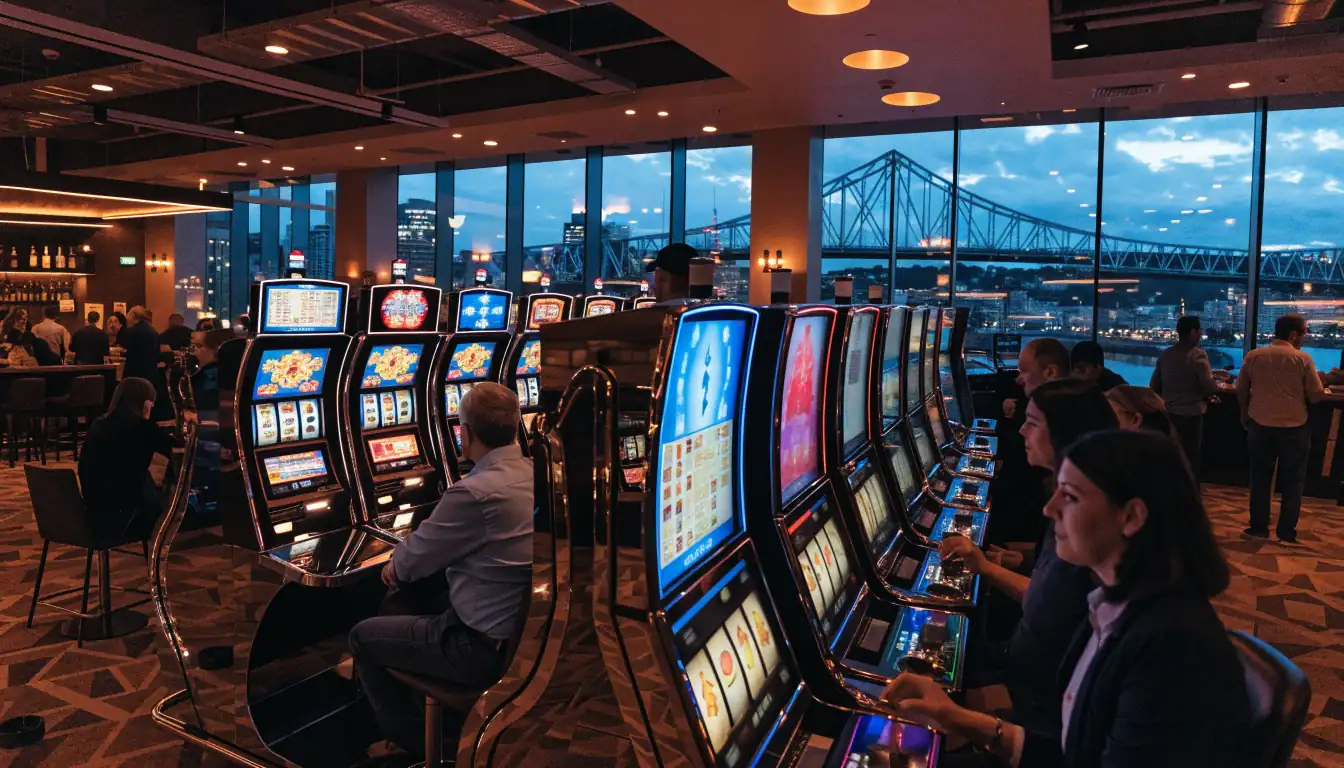
Psychologically, a near-miss triggers a response in the brain that is very similar to a win. It provides a hit of dopamine, encouraging you to try again, because it feels like you are honing in on the correct outcome. In reality, a near-miss is just another losing spin. The machine has not recognized that you are close; the weighting of the symbols simply makes it statistically probable that losing combinations will frequently appear adjacent to winning ones. The arrangement of the symbols on the screen is an illusion of physical reels, but the stopping positions are dictated by the digital RNG.
Another psychological driver is the use of losses disguised as wins. If you bet a significant amount on a spin, and the machine pays out a fraction of that amount, it will often trigger the winning sound effects and visual animations. You did not win; you suffered a net loss on that spin. But the sensory feedback tells your brain that you won, which encourages you to keep playing. It masks the reality of your declining bankroll.
Understanding this psychological architecture is crucial because it explains why players feel like they are winning when they are actually losing. It explains why it is so difficult to walk away. The machines are designed to feel rewarding even when they are extracting money.
The transition to account-based play and its effects
The way you interact with pokies is evolving, and this evolution has implications for how the market functions. The move away from physical cash toward card-based and digital account systems is changing the dynamic of play.
Cashless and account-based pokies improve traceability, making it harder for illicit funds to be laundered through the machines. But this transition also changes the player’s relationship with their bankroll. Physical cash is tangible. When you hold a fifty-dollar note, you feel its value. When you insert it into a machine and watch it disappear into credits, there is a psychological barrier that is crossed.
Frictionless Spending
The reduced friction of cashless play often leads to higher spending without the player noticing.
When you play using a card or a digital wallet linked to an account, that barrier is removed. You are no longer feeding physical money into the machine; you are authorizing the movement of digital numbers. This reduction in friction makes it easier to spend more, and to spend it faster. You do not have to leave your seat to get more money; you simply transfer it from your account.
This convenience is framed as a benefit to the player, but it is also a benefit to the operator. The easier it is to fund the machine, the longer the player is likely to stay engaged, and the more money they are likely to wager. The transition to digital interfaces is not just about security and AML compliance; it is about optimizing the flow of revenue.
For the player, this means the environment is becoming more efficient at separating you from your money. The friction points that historically provided natural pauses in play are being eliminated. If you are looking for tips to win at pokies, the first step is recognizing that the environment is engineered to keep you playing, and the digital transition is making that engineering more effective.
The role of harm minimisation in a system built for profit
The regulatory framework acknowledges the harm caused by electronic gaming machines. Poker machines are the most harmful form of gambling in NSW, and the regulators are acutely aware of this fact. The introduction of the BetStop self-exclusion registry is a direct response to this harm. BetStop was launched in August 2023 and registered 18,000 users in its first six months, demonstrating a significant demand for structural barriers to play.
However, it is important to understand the role these tools play. They are harm minimisation measures, not winning strategies. They exist to help people who have recognized that the machines are causing them financial and psychological damage to step away. They do not change the odds of the machines; they restrict access to them.
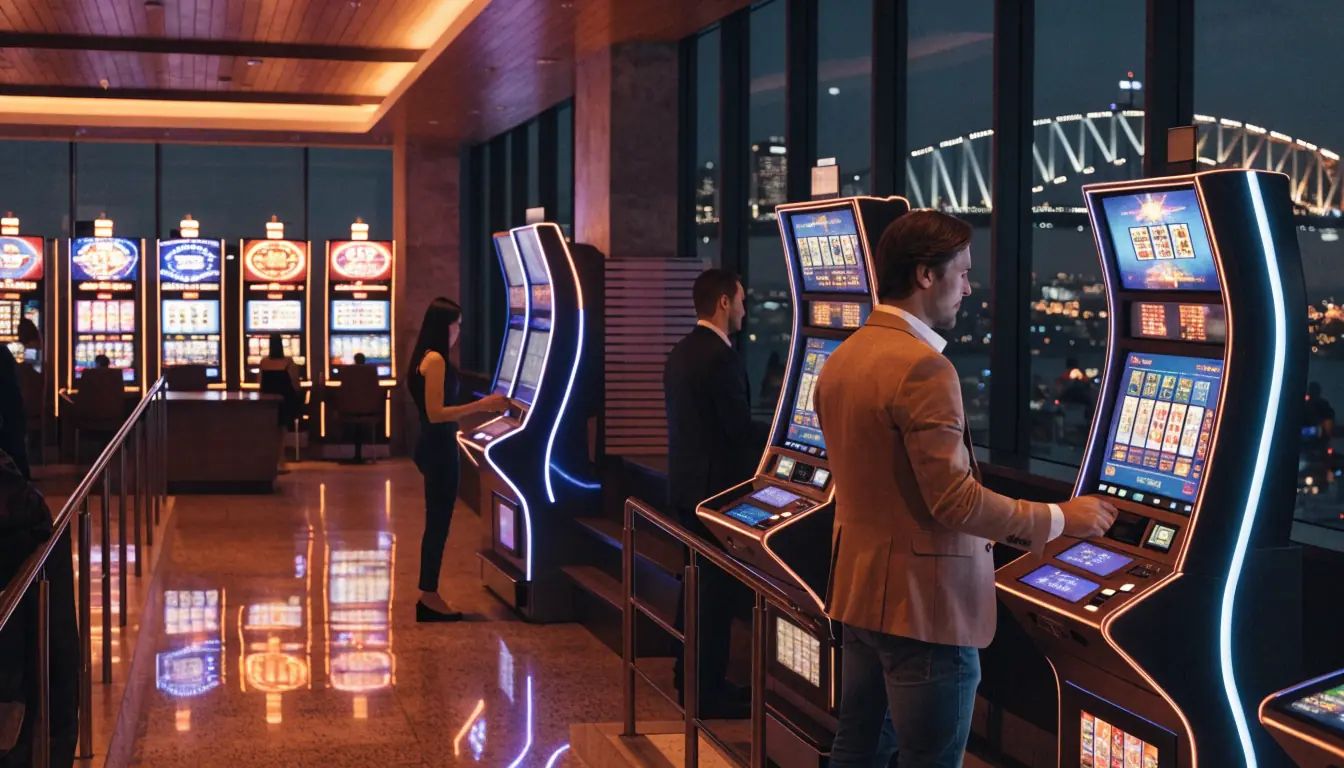
The tension between harm minimisation and profit generation is the defining characteristic of the Australian pokies market. On one hand, the government mandates warning messages, self-exclusion registers, and responsible gambling messaging. On the other hand, the state and territory governments rely on the taxation revenue generated by the machines to fund public services. In 2015-16, gambling revenue accounted for 7.7% of state and territory taxation revenue.
This means the system is not going to help you win. The system is designed to balance the need for continuous revenue generation with the political necessity of appearing to mitigate the harm caused by that generation. The warnings on the screens telling you to play responsibly are there because the law requires them, not because the machine is designed to facilitate responsible play.
Taxation and the player’s actual takeaway
One of the unique aspects of the Australian gambling landscape is the treatment of winnings. Gambling winnings are not taxed in Australia. If you walk into a club and win a substantial amount on a pokie, you do not have to pay income tax on that money. It is considered a windfall gain, not income.
However, this tax-free status does not change the underlying mathematics of the game. The government still takes its share of the revenue, but it does so at the venue level, not the player level. The operator pays a significant percentage of the machine’s net profit to the state government in the form of gambling taxes and licensing fees. This is why the state is so invested in the continued operation of the machines.
The fact that your winnings are not taxed means that if you do manage to hit a significant payout, you get to keep the entire amount. But it does not mean that the game is a viable way to generate income. The tax-free status of winnings does not offset the mathematical edge of the machine. Over time, the machine will still retain its programmed percentage, and the player will still absorb the loss. The lack of tax on the individual win simply means that the aggregate loss is slightly less painful than it might otherwise be, but it does not change the fact that the loss is the statistical inevitability.
The reality of "fun play" and expectations
Many players engage with pokies looking for "tips for fun play." This is the most realistic approach to the machines. If you approach the pokie with the understanding that the money you are inserting is the cost of the entertainment, you are aligning your expectations with the mathematical reality of the system.
The cost of playing a pokie is the amount of money you lose. If you sit down with a set amount of money, and you play until that money is gone, you have purchased a certain amount of time in front of a screen. If you happen to win, or if you manage to walk away with some of your money left, you have defied the short-term odds. You have not beaten the system; you have simply experienced a favorable statistical variance.
Understanding how the machines work, how the market is structured, and how the psychology is deployed against you allows you to contextualize your play. You know that the AUD$150 billion wagered in FY 2020-2021 did not produce AUD$150 billion in winnings. It produced AUD$12 billion in losses. You know that the per-capita loss of AUD$608 is the statistical average, meaning that for every person who walked away ahead, there were multiple people who walked away having lost significantly more than that.
Budget Control
Setting a strict budget and treating the game as entertainment helps you stay in control.
You know that the machines in NSW, all 95,800 of them, are designed to generate profit for the clubs and the state. The $1.945 billion net profit earned by NSW clubs between December 2017 and May 2018 came directly from the pockets of players.
When you look for tips to win at pokies, what you are really looking for is a way to minimize your loss and maximize your chances of experiencing a positive variance. The only way to guarantee you do not lose money is to not play. The only way to manage your exposure is to impose strict, personal structural barriers on your play that the machine and the venue will not provide for you.
The market is not a level playing field. It is a system designed to aggregate the wealth of many and concentrate it in the hands of a few. Every spin you make is a contribution to a system that has been refined over decades to be highly efficient at its purpose. The lights, the sounds, the ergonomic design, the digital interfaces, and the mathematical algorithms are all coordinated toward a single goal: ensuring that over the long term, the house wins and the player loses.
Recognizing this is not about instilling fear; it is about providing you with the factual foundation necessary to make informed decisions. If you choose to play, you do so with the knowledge that you are engaging with a system that is mathematically structured to prevail. You are paying for the experience, and the cost of that experience is the money you leave behind.
The scale of the industry ensures that the machines will continue to operate. The compliance requirements, the AML controls, the shift to cashless systems, and the regulatory oversight all exist to manage the environment in which the machines operate, not to change the fundamental outcome for the player. The RNG will continue to generate losing combinations, the house edge will continue to ensure the venue’s profitability, and the government will continue to collect its share of the losses.
Understanding the mechanics of the game, the psychology of the design, and the financial reality of the market is the most accurate foundation you can have. It allows you to see the pokies not as a game of chance that can be beaten with the right strategy, but as a highly sophisticated financial instrument designed to separate you from your money in a way that feels entertaining, engaging, and almost fair.
When you sit at a machine, you are facing an opponent that does not tire, does not make emotional decisions, and does not deviate from its programming. It is an opponent that has been tested, regulated, and deployed with the sole purpose of generating revenue. Your defence is not a better strategy; your defence is an accurate understanding of the game you are playing. You cannot control the reels, but you can control your exposure to them.
The data tells the story. The 3% of the world’s pub and club poker machines located in Australia, the 18% of the world’s poker machines overall according to complyadvantage.com, the $191.2 billion in turnover in 2023, and the billions in net profit generated by venues are not signs of a game that can be beaten. They are signs of a system that is working perfectly.
Every spin is a transaction in a system built to retain. Every win is a calculated cost of doing business. Every loss is the revenue that sustains the industry. The most valuable tip you will ever receive is not a trick of timing or a secret button combination; it is the understanding that the system is designed for your money to stay in the machine, and that no amount of strategy will change the mathematics that govern that outcome.
When you internalize the scale of the AUD$12 billion lost in a single financial year, and the fact that the per-capita loss of AUD$608 is an average that hides the reality of individual financial devastation, the context of your own play becomes clear. You are not an exception to the rule. You are a participant in a system designed to make the rule absolute.
The machine you are playing, whether it is a physical cabinet in a suburban NSW club or a digital interface on an offshore platform, is a piece of a much larger financial puzzle. It is a node in a network that processes hundreds of billions of dollars annually. Your interaction with that node is a micro-transaction in a macro-system. The system does not know you, it does not care about your financial situation, and it does not adjust its behavior to accommodate your desire to win. It simply processes your wager, applies the mathematics, and adds your loss to the aggregate total that sustains the industry.
This is the foundation of the Australian pokies market. It is a system of immense scale, sophisticated technology, and absolute mathematical certainty. It is supported by a regulatory framework that monitors the flow of money and attempts to mitigate the harm, but it is fundamentally driven by the unwavering principle that the house always wins. Understanding this is not pessimism; it is the factual reality of walking into a venue and pressing a button. It is the starting point for any real engagement with the machines, and it is the only context in which any further discussion of pokies tips and tricks 2026 can be accurately understood.
The architecture of the game is not hidden, but it is obscured by the sensory experience of playing. The sounds, the lights, the anticipation of the spin, and the celebration of the occasional win all serve to distract from the underlying mechanism of revenue extraction. When you strip away the themes and the graphics, what remains is a computer program calculating the most efficient way to retain a percentage of every dollar inserted.
Account‑based tracking details
When you load money onto a player card or digital wallet, every credit and debit is logged with a timestamp and your player ID. Operators can then analyse your session length, bet size and win frequency to identify risky behaviour and intervene if necessary.
The shift toward cashless and account-based systems is the next evolution of this architecture. By linking play to an identity and a digital wallet, the industry gains unprecedented insight into player behavior and spending patterns. This data allows for the further optimization of the machines, tailoring the experience to maximize engagement and minimize the friction that might lead a player to walk away. The traceability that solves the AML problem also creates a feedback loop that makes the system more efficient at its core function.
As you look for ways to navigate this environment, the most important thing you can carry with you is an accurate mental model of what the machine is. It is not a game of luck; it is a game of structured mathematical certainty. It is not an opponent you can outthink; it is a financial instrument you are transacting with. The outcome of that transaction is predetermined by the code that governs the machine, and no amount of player intervention can alter that code.
The market is vast, the technology is sophisticated, and the regulatory framework is complex. But the fundamental truth is simple: the machines are designed to make money for the venues and the state, and they do so by ensuring that the players, collectively and over time, lose. Understanding this scale, this technology, and this reality is the only real foundation for any attempt to play the pokies without falling victim to the illusion of control.
You are engaging with a system that has been built over decades, refined by billions of dollars of data, and optimized by experts in mathematics and psychology. It is a system that does not rely on your failure but anticipates it as a statistical certainty. The wins are the exception that proves the rule, and the rule is that the house edge is absolute.
When you sit down to play, remember the scale of the losses. Remember the AUD$12 billion that disappeared from the pockets of Australians in a single year. Remember the 95,800 machines in NSW, all silently calculating and retaining. Remember that the system is not broken; it is functioning exactly as intended. And remember that the only way to win is to understand the game well enough to know that winning is not the objective of the machine. The objective of the machine is to keep you playing, and the objective of the market is to keep the money flowing. Your awareness of this is the only real advantage you have.
Proven tips and tricks for improving your pokies experience in 2026
When looking for pokies tips and tricks 2026, the most important step you can take is understanding the environment you are walking into. The financial scale of electronic gaming machines in Australia is massive, and the systems governing them are designed to be robust. Because gambling winnings are not taxed in Australia, every dollar you manage to walk away with remains entirely yours. However, keeping those winnings requires a clear strategy, strict personal boundaries, and an understanding of how regulatory changes impact your day-to-day play.
Behavioural discipline matters far more than any superstition about hot or cold machines. The most effective pokies tips focus entirely on what you can control: your money, your identity, your time, and your access to responsible gambling tools. By focusing on these elements, you can protect your bankroll and ensure that your gambling remains within your means.
Use BetStop to enforce your boundaries
The most powerful tool available to Australian adults is BetStop, the national self-exclusion registry. When you register with BetStop, your details are passed to all licensed interactive wagering providers in Australia. They are then legally required to prevent you from using their services for the duration of your exclusion period. The BetStop self-exclusion registry was launched in August 2023 and registered 18,000 users in its first six months. This rapid uptake demonstrates a clear, immediate need among Australian gamblers for an external mechanism that stops them from acting on impulse.
If you find yourself chasing losses, withdrawing cash specifically to feed an electronic gaming machine, or lying to family members about your whereabouts and spending, BetStop provides a hard barrier. You can choose an exclusion period that suits your needs. Once registered, you cannot simply reverse the decision in the heat of the moment. The registry does the resisting for you. For anyone compiling a list of pokies winning tips, this is the most critical safeguard to implement before you ever approach a venue.
If you operate a venue or a wagering business, strict adherence to BetStop is non-negotiable. Staff must ensure that only users who are 18 years of age or older are allowed to access the site. Furthermore, systems must be in place to immediately recognise registered individuals and block their access. Operators must display wagering requirements clearly up front before offering any bonus, and they must require users to complete identity verification using a government-issued ID before any withdrawal. These structural protections exist to keep the ecosystem safer for everyone.
Understand the tax framework and state revenue
A common misconception is that the government takes a portion of your individual winnings. In reality, gambling winnings are not taxed in Australia. Whether you win a modest amount on an electronic gaming machine in a local club or walk away with a significant payout at a casino, you do not pay income tax on that money.
Tax‑free Winnings
Winnings from pokies are not subject to income tax in Australia, although the collective losses fund state revenues.
However, the broader financial system heavily relies on the losses of gamblers to function. In 2015-16, gambling revenue accounted for 7.7% of state and territory taxation revenue. This means the venues, the state governments, and the regulatory bodies have a vested interest in the continued operation of electronic gaming machines. When you understand that the system is structurally designed to generate revenue from your losses, you can approach the machines with a more rational, defensive mindset.
Recognising this financial reality is a fundamental part of applying pokies tips effectively. You are not playing against a machine that can be charmed or tricked; you are engaging with a highly regulated financial ecosystem that depends on volume and loss. Adjusting your expectations accordingly prevents the frustration that often leads to poor financial decisions.
Transition to cashless and account-based play
One of the most significant shifts in the Australian pokies landscape is the move away from cash. Historically, electronic gaming machines have been associated with high volumes of physical cash transactions. This limited traceability made pokies attractive for money laundering. Criminals would use money mules to place large amounts of cash into an EGM, play minimally, and then cash out, effectively converting illicit physical currency into seemingly legitimate funds.
To combat this, regulatory attention has shifted heavily towards cashless and account-based pokies. These systems require you to link your play to a verified account, rather than feeding anonymous physical notes into a machine. For the player, this transition offers a major advantage: it improves the traceability of your own funds. When you use account-based play, you have an exact, undeniable record of how much money you put in, how much you played, and how much you walked away with.
For anyone looking for practical tips for pokies, moving to account-based systems is a behavioural game-changer. It strips away the denial that often accompanies cash gambling. When you have to physically transfer funds from your bank account into your gaming account, the psychological weight of the transaction increases. You are forced to look at the exact amount you are spending in real-time.
This shift also aligns with the AML controls that regulators expect venues to enforce. Customer verification and patron profiling are now standard AML controls. Venues are trained to look for red flags. If a customer deposits higher values and larger amounts of cash than their profile suggests they should have access to, the venue is required to take notice. Large cash insertions followed by minimal play and immediate cash-out are major red flags. By moving to a cashless, account-based system, you not only distance yourself from the shadows of illicit finance but also force your own gambling behaviour into a transparent, trackable format that makes it easier to manage your bankroll.
Manage your bankroll with strict limits
Effective bankroll management is the cornerstone of all pokies tips and tricks. Without a defined limit, the mathematical advantage of the machine will eventually erode your funds. The trick is not in finding a machine that is "due to pay," but in structuring your play so that you can sustain a session without risking money you cannot afford to lose.
You must decide on a session limit before you sit down. This should be an amount of money that, if lost entirely, will not impact your ability to pay bills, rent, or buy groceries. Once that amount is set, the only trick is sticking to it. Account-based and cashless gaming makes this significantly easier. You can preload your account with your session budget, and when it is gone, you walk away. Do not top up your account from your bank card. Do not withdraw cash from an ATM at the venue. The discipline to walk away when the session budget is exhausted is the single most important behaviour for improving your pokies experience in 2026.
If you find that walking away is too difficult, this is exactly where BetStop comes into play. Recognising that you cannot trust your own willpower is not a failure; it is a vital act of self-awareness. Utilising self-exclusion tools allows you to physically and legally prevent yourself from crossing the boundaries you set for yourself.
Recognise the risks of illicit activity around pokies
Understanding your environment is a crucial part of staying safe while playing the pokies in Australia. Because physical cash has historically driven the electronic gaming machine market, these venues have been hotspots for illicit financial activity. Being aware of this helps you recognise dangerous situations and avoid getting involved, even inadvertently.
The volume of physical cash in these venues makes them prime targets for money laundering operations. Criminals frequently employ a money mule to do their dirty work. A money mule is someone who is recruited to move illicit funds on behalf of criminals. They are approached because they have a clean record, and they are often unaware of the severe legal consequences they face. Mules are instructed to take large amounts of cash, insert it into an electronic gaming machine, and then immediately cash out with a ticket. This process, known as cash placement with minimal play, makes the dirty money look like legitimate gambling winnings.
Another method is purchasing winning tickets. A criminal will find someone who has legitimately won on a pokie, offer to buy their winning ticket for cash, and then claim the prize themselves through the venue’s system. This cleans the illicit funds through the venue’s financial records.
Structuring across venues is another typology you should be aware of. This involves breaking large amounts of illicit cash into smaller, less conspicuous amounts and spreading them across multiple pokies venues. Frequent small redemptions across venues are recognised red flags. The goal is to fly under the radar of the venue’s daily financial reporting thresholds. Collusion and weak oversight enable illicit cash movements, which is why regulators have cracked down on these practices.
AML Red Flag
Large cash insertions followed by immediate cash‑out are a classic red flag for money‑laundering activity.
You must be vigilant about your surroundings and the people you interact with at gaming venues. If someone approaches you offering to buy your winning ticket, or if a group of people are working together to move cash across multiple machines, you are witnessing serious criminal activity. Multiple patrons working together to move cash are a definitive red flag. Customers refusing identification or using multiple player cards are also red flags, as are unusual redemption patterns compared to venue averages.
If you witness these behaviours, you should leave the area immediately. Do not accept money from strangers to play machines on their behalf. If you act as a money mule, even unknowingly, you are committing a serious criminal offence. This can result in severe legal penalties, including imprisonment. The best of all tips for pokies Australia is to keep your head down, play your own game with your own funds, and avoid interacting with anyone who attempts to involve you in complex cash transactions.
Verify your identity and protect your account
Because of the heavy regulatory focus on anti-money laundering, the requirements for accessing your winnings have become much stricter. If you operate an online wagering account, you must require users to complete identity verification with a government-issued ID before any withdrawal. This is not an arbitrary inconvenience; it is a direct response to the risks associated with untraceable cash.
When you register for an account, whether for online sports betting or to access account-based pokies systems, you will be required to provide identification. This might feel intrusive, but it is the mechanism that allows cashless and account-based pokies to improve traceability. By linking your identity to your play, the system ensures that the funds you withdraw are going to the right person.
Protecting your account details is therefore a major priority. If someone gains access to your account, they could potentially use it to launder illicit funds through your verified identity. If you notice unusual login attempts, sudden changes to your personal details, or unexpected withdrawal requests, you must contact the platform immediately.
Furthermore, do not share your player card with anyone else. Using multiple player cards is a recognised red flag for collusion and money laundering. By keeping your player card and account strictly tied to your own identity, you protect yourself from being implicated in any illicit financial activity that might be occurring at the venue.
Navigating the legal landscape of online play
When discussing pokies tips and tricks 2026, it is vital to understand the legal framework that governs different types of gambling in Australia. The Interactive Gambling Act was passed on 28 June 2001. This legislation is the primary Commonwealth law governing online gambling in Australia, introduced to protect the public with a focus on harm minimisation.
Under this Act, online casino-style games are prohibited. This means that offering online slots, poker, blackjack, and roulette to Australian residents by domestic operators is illegal. There are no domestically licensed real-money online casino operators available to Australian players. It is illegal to offer online casino gambling in Australia, and it is not possible to obtain a licence to operate an online casino domestically.
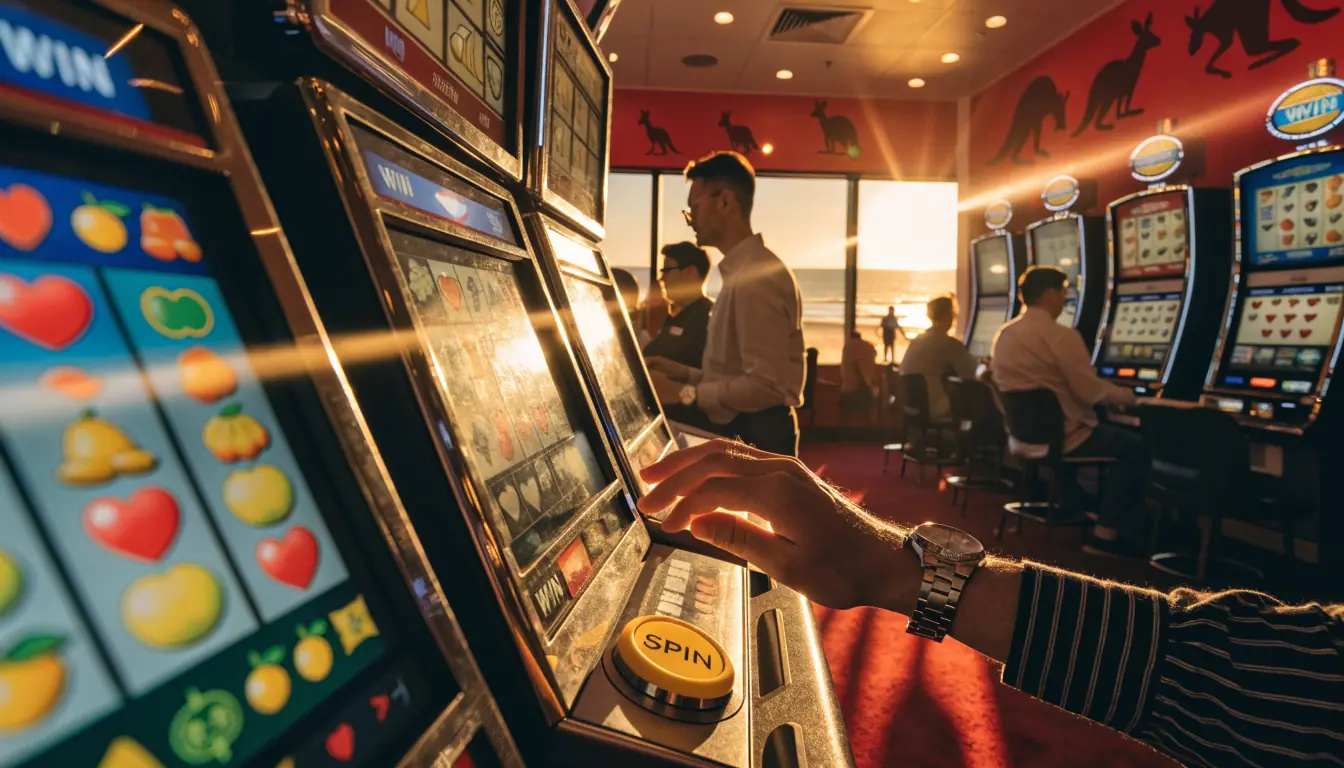
However, it is not illegal for individual Australians to play at offshore-licensed online casinos. The law targets the operators, not the players. This creates a complex situation for anyone looking for pokies winning tips. While you might access offshore sites, you do so without the protections of Australian law. If an offshore operator refuses to pay out your winnings, you have no recourse to Australian regulatory bodies to assist you.
Online sports betting, on the other hand, is legal in Australia under state and territory licences. Live in-play online betting is illegal in Australia, but placing live bets over the phone is legal. Understanding these distinctions is crucial because it dictates where you can legally and safely spend your money. If you are using a licensed domestic sports betting platform, you are protected by local regulations and can use tools like BetStop. If you are using an offshore casino platform, you are entirely on your own.
Recognise the warning signs of problem gambling
The most effective tips and tricks for pokies involve a high degree of self-monitoring. You need to be brutally honest with yourself about why you are playing and how it makes you feel. Problem gambling rarely starts with a massive loss; it usually begins with small, persistent habits that escalate over time.
Warning signs include spending more time or money on pokies than you initially intended. You might find yourself constantly thinking about gambling, even when you are not at a venue. Chasing losses is a critical indicator. If you tell yourself that you can "win it back" if you just deposit a little more, you are entering a dangerous cycle. Lying to family or friends about your gambling habits is another significant red flag. If you feel the need to hide your activity, it is a sign that your behaviour has become unhealthy.
When these signs appear, relying on willpower is not a reliable strategy. The most effective pokies tips are those that involve externalising the control. Call Gambling Help Online, a national service that provides free, confidential support. Register with BetStop to physically prevent yourself from accessing licensed platforms. Remove yourself from environments where pokies are present.
Managing your pokies experience in 2026 requires acknowledging that the machines are designed to be immersive and difficult to step away from. The behavioural shift comes from treating the pokies not as a game to be beaten, but as a financial transaction to be strictly managed. You decide the exact amount you are willing to spend, you use cashless systems to track that spending, you refuse to interact with anyone attempting to use the machines for illicit purposes, and you use legal tools like BetStop when your own boundaries begin to slip.
By understanding the AML controls in place, the tax realities, and the legal prohibitions on domestic online casinos, you position yourself as an informed participant in a highly regulated environment. Your safety and your bankroll depend not on finding the right machine, but on maintaining strict control over your own actions and utilising the tools and legislation designed to protect you. If you maintain these boundaries, you can engage with the pokies in a way that is contained, traceable, and strictly within your financial limits.
Created by the ”Casino Live Portal” editorial team.