House of Pokies Casino Australia: Market and Regulation Guide
 Available in US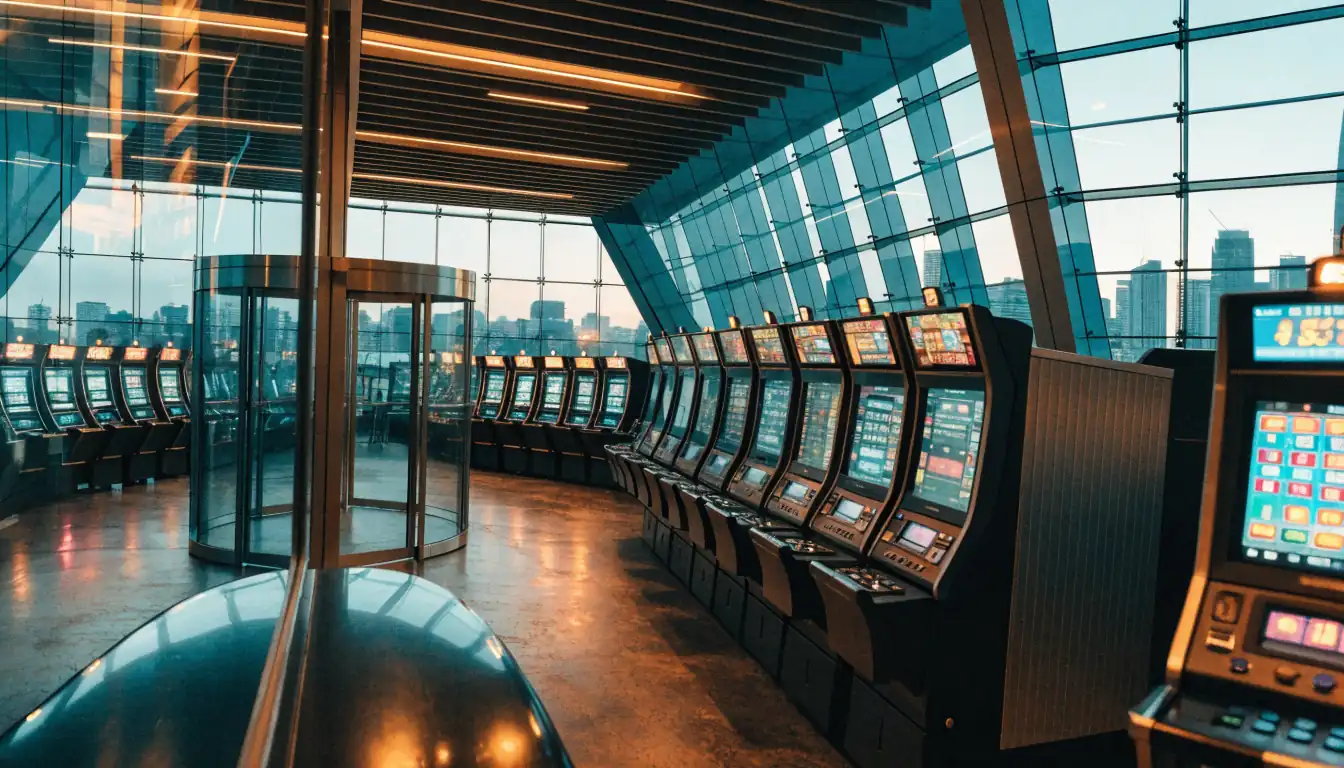
Pokies in Australian Casinos – Market Size, Regulation and 2026 Outlook
When you look at the landscape of gambling in Australia, the conversation inevitably turns to pokies. These electronic gaming machines are a foundational element of the local gambling culture, situated prominently in pubs, clubs, and casinos across the country. As we approach 2026, understanding the operational realities, the sheer financial scale, and the stringent regulatory frameworks governing these machines is necessary for anyone looking to engage with the market.
This is particularly relevant if you are investigating an online platform such as House of Pokies casino Australia 2026. While the digital interface of an online casino feels entirely separate from a physical venue in New South Wales or Victoria, the legal and financial ecosystems that govern them are deeply intertwined. The laws that dictate how electronic gaming machines operate, how money moves through them, and how the state protects its citizens apply broadly to the concept of pokies, both physically and in the digital space.
What Are Pokies and Where Are They Found?
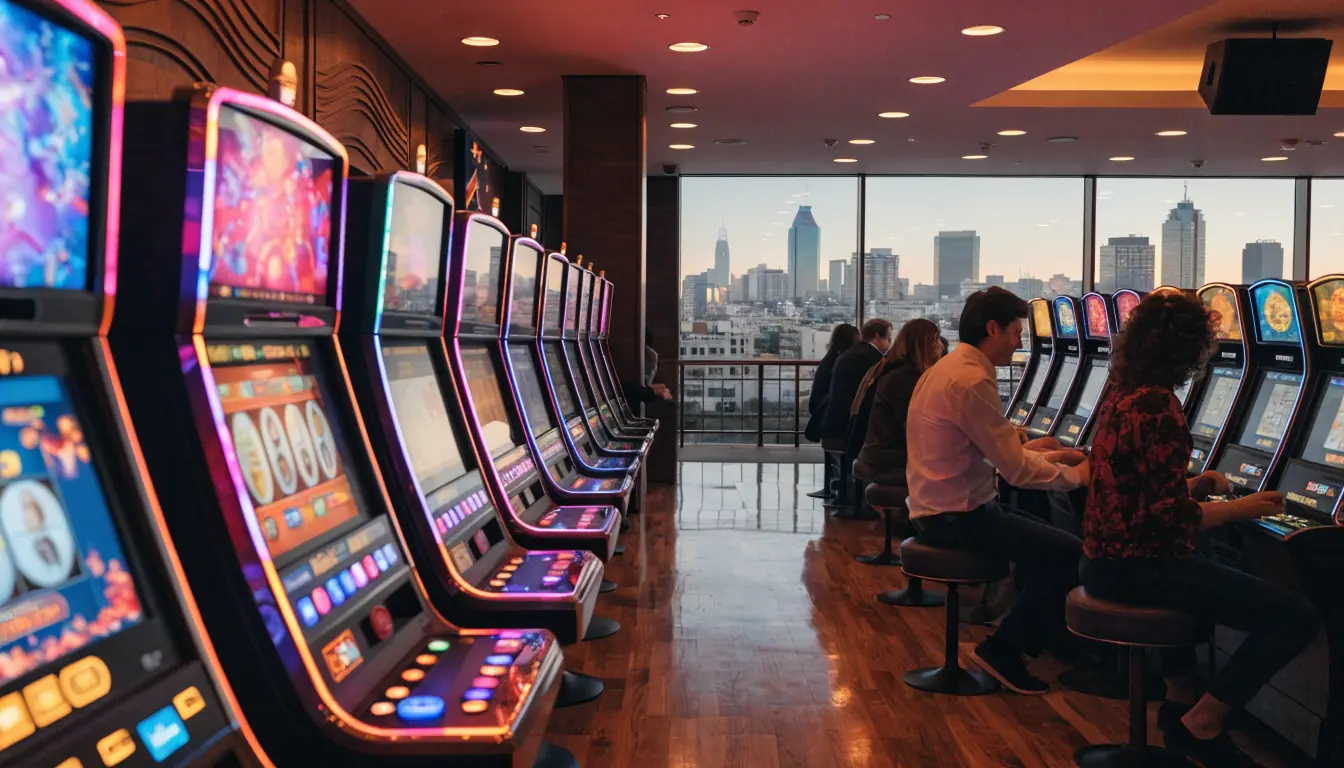
The term "pokies" is the standard colloquialism in Australia for electronic gaming machines (EGMs). Whether you are standing in a bustling local pub in Brisbane or sitting in a high-rollers room at a major casino in Melbourne, the machines you are looking at are pokies. They are operated in all Australian states, the Australian Capital Territory, and the Northern Territory. The widespread presence of these machines in everyday social venues—like pubs and clubs—is a unique characteristic of the Australian market. They are not confined to dedicated gambling floors; they are integrated into the daily social fabric.
Before you sign up anywhere, it helps to see how the welcome offers, licensing and payout details actually stack up so you can pick a casino that fits how you play.
License: Curacao Gaming Control Board OGL/2023/176/0095 (Hollycorn N.V.) · Bonus: up to A$1,500 + 200 free spins across 3 deposits Licensed under the Curacao Gaming Control Board via Hollycorn N.V., LuckyVibe backs its offer with a welcome package worth up to A$1,500 plus 200 free spins spread across three deposits, giving you room to build up your bankroll gradually.
Bonus: up to A$750 + 50 jackpot spins, 35x wagering · Payout speed: crypto ~90 minutes, fiat 1-5 days · Min. deposit: A$30 Kingmaker pairs a bonus of up to A$750 with 50 jackpot spins under 35x wagering, and its crypto payouts landing in around 90 minutes make it worth a look if you value fast withdrawals, with a low A$30 minimum deposit to get started.
License: Curacao Gaming Authority (Jumpman Gaming Ltd) · Bonus: up to A$6,600 + up to 250 free spins across 4 deposits Operating under a Curacao Gaming Authority license through Jumpman Gaming Ltd, DragonSlots Casino stands out for a sizeable welcome bonus of up to A$6,600 plus as many as 250 free spins across four deposits.
License: Curacao Gaming Control Board OGL/2023/174/0082 (Dama N.V.) · Bonus: up to A$5,000 + 300 free spins across 4 deposits Licensed by the Curacao Gaming Control Board via Dama N.V., SpinsUp offers a generous package of up to A$5,000 and 300 free spins spread over four deposits.
License: international iGaming licence – jurisdiction not named in the source · Bonus: 100% up to A$1,000 + 100 free spins, 35x wagering · Payout speed: PayID 1-24 hours · Min. deposit: A$30 (PayID from A$10) House of Pokies keeps deposits accessible with a minimum from A$10 via PayID and pays out through PayID within a day, on top of a 100% bonus up to A$1,000 with 100 free spins under 35x wagering; its licensing jurisdiction isn’t specified in available details.
License: Curacao · Bonus: up to A$10,000 multi-stage + 500 free spins · Min. deposit: A$20 (POLi) Licensed in Curacao, Lucky Dreams offers a substantial multi-stage bonus reaching up to A$10,000 with 500 free spins, and its low A$20 minimum deposit via POLi makes it easy to get going.
License: Curacao Gaming Control Board OGL/2023/176/0095 (Hollycorn N.V.) · Bonus: up to A$11,000 + 300 free spins (code NEO100) Neospin operates under a Curacao Gaming Control Board license via Hollycorn N.V. and offers one of the larger bonuses on this list, up to A$11,000 plus 300 free spins when you use the code NEO100.
License: Curacao eGaming OGL/2024/923/0383 (Antillephone N.V.) · Bonus: up to A$2,000 + 100 free spins across 2 deposits · Min. deposit: A$30 WinSpirit Casino is licensed under Curacao eGaming through Antillephone N.V., with a welcome bonus of up to A$2,000 and 100 free spins across two deposits, and a minimum deposit of A$30.
License: Curacao eGaming (Dama N.V.) · Bonus: up to A$10,000 + 180 free spins, 40x wagering Licensed under Curacao eGaming via Dama N.V., JeetCity Casino offers a bonus of up to A$10,000 with 180 free spins, though it comes with a steeper 40x wagering requirement to keep in mind.
License: Curacao – Antillephone N.V. (Versus Odds B.V.) · Bonus: up to EUR 2,000 across 5 deposits + 200 free spins · Min. deposit: EUR 20 Thor Casino holds a Curacao license through Antillephone N.V. (Versus Odds B.V.) and spreads its bonus of up to EUR 2,000 plus 200 free spins across five deposits, with a minimum deposit of EUR 20.
This integration is precisely why the regulatory environment surrounding them is so complex, and why engaging with any platform offering these games—whether a physical machine or an online equivalent like House of Pokies online—requires a clear understanding of the rules in play.
The Financial Scale of the Australian Pokies Market
To understand the gravity of the pokies market in Australia, you have to look at the financial turnover. The scale of money moving through these machines is vast, reflecting both their popularity and their addictive nature.
In the financial year 2020-2021, Australians placed bets worth almost AUD 150 billion on electronic gaming machines. This figure represents the total amount of money fed into the machines and subsequently bet, creating a massive cycle of churn. However, the total player loss—the actual amount of money that gamblers did not win back—during that same financial year was about AUD 12 billion. This means that while the turnover was enormous, the actual cost to the gambling public was AUD 12 billion in a single year.
When you break that down to an individual level, the per-capita losses from electronic gaming machines in the 2020-2021 financial year were AUD 608. This means that, on average, every person in Australia lost AUD 608 to these machines over the course of the year.
When looking at more recent data, the financial dynamics become even more pronounced. According to data from complyadvantage.com, pokies generated AUD 191.2 billion in gambling turnover in 2023. This shows a significant increase in the volume of bets being placed as the country moved further away from the pandemic restrictions of 2020-2021.
However, when looking at Australia’s place in the global context, the data becomes somewhat contested. There is a discrepancy in how Australia’s share of the world’s poker machines is reported. Some data suggests that Australia accounts for 3% of the world’s pub and club poker machines. However, other sources claim a much larger share, stating that Australia accounts for about 18% of the world’s poker machines. This discrepancy is worth noting because it highlights how differently the market is measured—whether one is counting only pub and club machines specifically, or all poker machines globally. Regardless of which figure is accurate, the reality remains that Australia has a disproportionate concentration of these machines relative to its population size.

The Legal Framework: The Interactive Gambling Act
The legal framework governing gambling in Australia is built upon a combination of federal and state laws. At the federal level, the Interactive Gambling Act 2001 (IGA) is the primary Commonwealth law governing online gambling. It was introduced to protect the public, with a focus on harm minimisation.
A critical point to understand is that the Interactive Gambling Act 2001 makes it an offence for online operators to offer real-money gambling to Australian residents. This means that online casino style games, including slots, poker, blackjack, and roulette, are prohibited under the Interactive Gambling Act 2001. There are no domestically licensed real-money online casino operators available to Australian players. It is not possible to obtain a licence to operate an online casino domestically. The law specifically targets operators, not players. It is not illegal for individual Australians to play at offshore-licensed online casinos, but it is illegal for any operator to offer those services to them from within Australia.
When you encounter a platform like House of Pokies online casino, you are looking at an operator that exists in a legally precarious space. Since there is no domestic licensing body for online casinos, any platform offering real-money pokies to Australian residents is operating outside the federal regulatory framework. The legal protections and regulatory oversight that apply to a physical pokies machine in a licensed pub do not automatically apply to an online platform.
For physical venues, the regulation is handled at the state and territory level. The taxation of gambling operators in Australia varies by state and by type of gambling service. A casino in one state might face a completely different tax structure than a club in another. Interestingly, gamblers’ winnings in Australia are not taxed. If you win money on a pokies machine, whether in a physical pub or through an online platform, those winnings are not subject to income tax. The tax burden falls entirely on the operators, not the players.
Anti-Money-Laundering and Counter-Terrorism Financing (AML/CFT)
The vast sums of money moving through pokies make them an inherent target for criminal activity. The high volume of cash transactions and limited traceability of pokies make them attractive for money laundering. Criminals use these machines to convert illicit cash into legitimate gambling winnings, effectively cleaning the money through the system.
Legal risk
Non‑compliance with AUSTRAC AML requirements can result in civil fines up to AUD 100 million and severe enforcement action.
The Australian Transaction Reports and Analysis Centre (AUSTRAC) is the financial intelligence agency responsible for monitoring and enforcing AML/CFT regulations. In 2024, AUSTRAC issued a guide to help firms recognize money-laundering red flags. This guide is essential reading for compliance officers across the country, detailing the specific behaviours and transaction patterns that indicate potential criminal activity.
The mechanics of laundering money through pokies are well-documented. Criminals insert large sums of cash into EGMs, perform minimal gambling activity, and then cash out. This creates a false record of winnings. They can then take that cash-out ticket to the counter and receive clean money, ostensibly won on the machines.
According to complyadvantage.com, money mules are recruited to launder money through pokies. These individuals are paid to repeatedly feed dirty cash into machines and cash out, spreading the activity across multiple venues to avoid detection. Another method involves offenders purchasing winning tickets from other players. If a legitimate player wins, an offender will offer to buy their winning ticket for cash, providing the offender with a traceable, clean record of a legitimate gambling win, while the legitimate player walks away with untraceable dirty cash.
Structuring across venues is another common tactic. This involves spreading smaller cash deposits across different venues to avoid AML reporting thresholds. If a casino or club is required to report any cash transaction over a certain amount, a criminal will simply visit multiple venues, depositing amounts just under that threshold at each one, effectively flying under the regulatory radar.
AUSTRAC Red Flags and Compliance Requirements
AUSTRAC’s 2024 guide outlines specific red-flag indicators that venue operators and compliance officers must monitor. These indicators are designed to catch the specific money-laundering tactics employed in the gambling sector.
Red-flag indicators include unusually high cash access, large deposits, cash transfers, casino disbursement checks, and certain occupations that might explain a sudden influx of cash. More specifically, a red flag is large or repeated cash insertions followed by minimal play and immediate cash-out. This behaviour shows no interest in actually gambling; the machine is simply being used as a washing machine for cash.
Frequent small redemptions across different venues within a short period are also a red flag. This points directly to the structuring tactic mentioned earlier. Additionally, customers refusing identification or using multiple player cards constitute a red flag. If a player is unwilling to provide ID, or if they are cycling through different loyalty cards to avoid triggering a single profile’s transaction limits, it suggests they are trying to hide their identity or the true scale of their activity.
The compliance requirements for operators are tiered based on the size of their operation. Operators with up to 15 pokies must register with AUSTRAC, keep identification records, and submit suspicious matter reports. This is the baseline requirement for smaller venues, ensuring that even small clubs and pubs are part of the national reporting framework.
Operators with more than 15 pokies face stricter requirements. They must appoint a compliance officer, conduct risk assessments, implement full AML/CFT programs, perform customer due diligence, and report cash transactions over AUD 10,000. This higher tier of regulation ensures that larger venues, which handle significantly more money, have dedicated staff and systems in place to monitor and report suspicious activity.
Non-compliant operators may face severe consequences. They may receive remedial directions, infringement notices, and civil fines. Furthermore, they suffer reputational damage, which can be devastating in a market where public trust and local community relationships are vital to a venue’s survival.
The penalties for non-compliance can be immense. An amendment to the Casino Control Act 1992 allows NSW casino operators to be fined up to AUD 100 million for compliance failures. This is not a slap on the wrist; it is a punitive measure designed to ensure that the largest operators in the state take their AML/CFT obligations seriously.
The Push Towards Cashless Gaming
The most significant regulatory shift on the horizon for 2026 and beyond is the push towards cashless gaming. The problems associated with money laundering, coupled with the general harm associated with high-speed, high-volume cash gambling, have led regulators to seek technological solutions.
According to facctum.com, the adoption of cashless, account-based pokies improves traceability and reduces anonymity. This is the core of the regulatory shift. Transparent, account-based pokies provide full traceability of deposits, gameplay, and withdrawals. When a player must use a linked digital account to fund a machine, every transaction is logged, monitored, and tied to a verified identity. This makes the structuring of deposits and the use of money mules vastly more difficult, if not impossible.
The regulatory momentum is already building. The 2022 NSW Islington Report recommended making all NSW pokies cashless by the end of 2028. While that target is for New South Wales specifically, it signals a broader trend that is likely to influence the national landscape. Regulators recommend tighter customer due diligence, transaction monitoring, and the adoption of cashless gaming systems across the board.
As we look towards 2026, the transition from physical cash to digital accounts is the defining regulatory challenge for the pokies market. For physical venues, this means a fundamental change in how players interact with machines. For online platforms like House of Pokies casino, it underscores the reality that the regulatory net is tightening around all forms of digital and electronic gambling, making robust identity verification and transaction monitoring not just a legal requirement, but a basic standard of operation.
Cashless, account‑based pokies are slated to become mandatory in NSW by the end of 2028, driving a nationwide shift toward digital transactions.
The 2026 Outlook: Physical Versus Online Markets
As 2026 approaches, the divergence between the physical and online pokies markets in Australia becomes increasingly apparent. On the physical side, you have a heavily regulated, highly visible market undergoing a forced technological transition. Venues are having to upgrade their machines, retrain their staff, and integrate new account-based systems to comply with incoming state and federal mandates. The move toward cashless gaming is not a distant possibility; it is an approaching deadline that requires immediate operational adjustments.
On the online side, the market exists in a different kind of limbo. The Interactive Gambling Act 2001 makes it an offence to offer real-money online pokies to Australian residents. There is no domestic licensing regime for online casinos. When you see a platform operating as House of Pokies casino online, you are looking at an operator that is based offshore. These operators cannot legally offer their services to you from within Australia, but the law does not make it illegal for you, the player, to access them.
This creates a complex environment for the 2026 outlook. The physical market is shrinking in terms of anonymity and cash fluidity, while the online market continues to operate outside the direct purview of Australian regulators. However, the overarching themes remain the same: harm minimisation, anti-money-laundering compliance, and the protection of the consumer.
Whether you are feeding cash into a machine in a pub or using a credit card on an offshore website, the financial scale of the market is staggering. The AUD 150 billion turnover in 2020-2021 and the reported AUD 191.2 billion turnover in 2023 show a market that is not contracting, but evolving. The challenge for 2026 is not stopping the money, but controlling where it goes and who it benefits. For the player, the task is navigating a market where the physical venue is heavily policed and the online platform is legally ambiguous, ensuring that the excitement of the game does not lead to entanglement in a system designed to move vast sums of money under increasingly strict regulatory watch.

Understanding Player Behaviour and Market Resilience
To truly grasp the 2026 outlook, you must look at why the pokies market remains so financially robust despite the tightening regulations. The AUD 608 per-capita loss figure from 2020-2021 is not just a statistic; it represents a deep, habitual engagement with these machines. Pokies are designed to provide rapid, intermittent reinforcement. The lights, the sounds, and the near-misses are engineered to keep a player engaged, feeding in another note to chase the next spin.
This engagement does not vanish when regulations change. When a pub is forced to adopt cashless systems, the player who enjoys the gameplay will adapt to the new interface. The money will still flow, but it will flow through a tracked, digital channel rather than an untraceable cash hopper. The resilience of the market lies in the product itself. The demand for pokies is steady, and as long as that demand exists, supply will meet it, whether through compliant physical venues or unregulated offshore platforms.
This is why the regulatory focus has shifted from trying to ban the machines outright to trying to control the money flowing through them. The government knows it cannot stop people from gambling, but it can attempt to stop criminals from using that gambling habit as a conduit for illicit funds. The 2026 outlook is less about a reduction in the number of pokies or the volume of bets, and more about a fundamental restructuring of how those bets are funded and tracked.
The Role of State and Territory Regulators
While AUSTRAC handles the financial intelligence and AML/CFT compliance, the day-to-day regulation of pokies falls to state and territory regulators. The Office of Liquor and Gaming Regulation, the ACT Gambling and Racing Commission, and the NSW Crime Commission all play distinct roles in monitoring their respective jurisdictions.

These bodies are responsible for ensuring that venues adhere to the state-specific tax structures and operational guidelines. The taxation of gambling operators in Australia varies by state and by type of gambling service, meaning a club in one state might pay a different rate on its pokies revenue than a casino in another. This fragmented regulatory landscape can make compliance a complex undertaking for operators who function across borders.
For the 2026 landscape, these state regulators are the ones tasked with enforcing the move toward cashless gaming. They are the bodies that will monitor whether venues are adhering to the recommendations of reports like the 2022 NSW Islington Report, which called for all NSW pokies to be cashless by the end of 2028. The success of this transition depends entirely on the enforcement capabilities of these localised regulators.
Implications for the Digital Experience
What does this mean for the digital experience? If you are playing at House of Pokies casino Australian, you are interacting with a platform that is not bound by the same state-level tax structures or the physical presence requirements of a local pub. However, the underlying technology—Random Number Generators, Return to Player percentages, and the general mechanics of the electronic gaming machine—is the same.
The difference lies in the oversight. A physical pokie in a pub has been certified by a state regulator. Its RTP is known, its software is audited, and its cash handling is monitored by AUSTRAC. An online platform, operating from offshore, does not fall under this direct oversight. While many reputable offshore operators hold licences from international bodies like the Malta Gaming Authority or the UK Gambling Commission, the Australian government does not recognise these licences for the purpose of offering services to its residents under the Interactive Gambling Act 2001.
Offshore illegality
Offering real‑money online pokies to Australian residents breaches the Interactive Gambling Act 2001 and exposes operators to criminal prosecution.
Therefore, the 2026 outlook for the digital player is one of increased caution. Without the safety net of a domestic regulator, the responsibility for verifying the fairness of the game and the security of the transaction falls more heavily on the player. The financial scale of the physical market—almost AUD 150 billion in bets in 2020-2021—is a testament to the volume of money at play. When that volume moves online, the risks associated with it do not disappear; they simply become harder for local authorities to police.
The Cash Economy and the Future of Compliance
The persistent issue for regulators moving into 2026 is the cash economy. Cash is the lifeblood of money laundering, and pokies are a primary vector for converting that cash into clean funds. The recommendation to make all NSW pokies cashless by the end of 2028 is a direct response to this issue. By forcing every transaction onto a digital ledger, regulators aim to eliminate the anonymity that makes the system vulnerable to exploitation.
This shift has profound implications for the physical market. Venues will need to invest in new hardware, players will need to adapt to new funding methods, and the entire cash-handling process will be digitised. According to facctum.com, transparent, account-based pokies provide full traceability of deposits, gameplay, and withdrawals. This level of transparency is the ultimate goal of the 2026 regulatory push.
For the online market, this concept is already a reality. Any legitimate online platform requires account creation and digital deposits. However, the problem for Australian regulators is that these accounts are often held with offshore banks and processed through offshore payment gateways. The money leaves the Australian economy, flows through an unregulated platform, and returns without the tax office or AUSTRAC ever seeing it. This is the core tension of the 2026 outlook: the domestic market is becoming hyper-regulated and transparent, while the offshore market remains a shadowy alternative for those looking to escape the regulatory net.
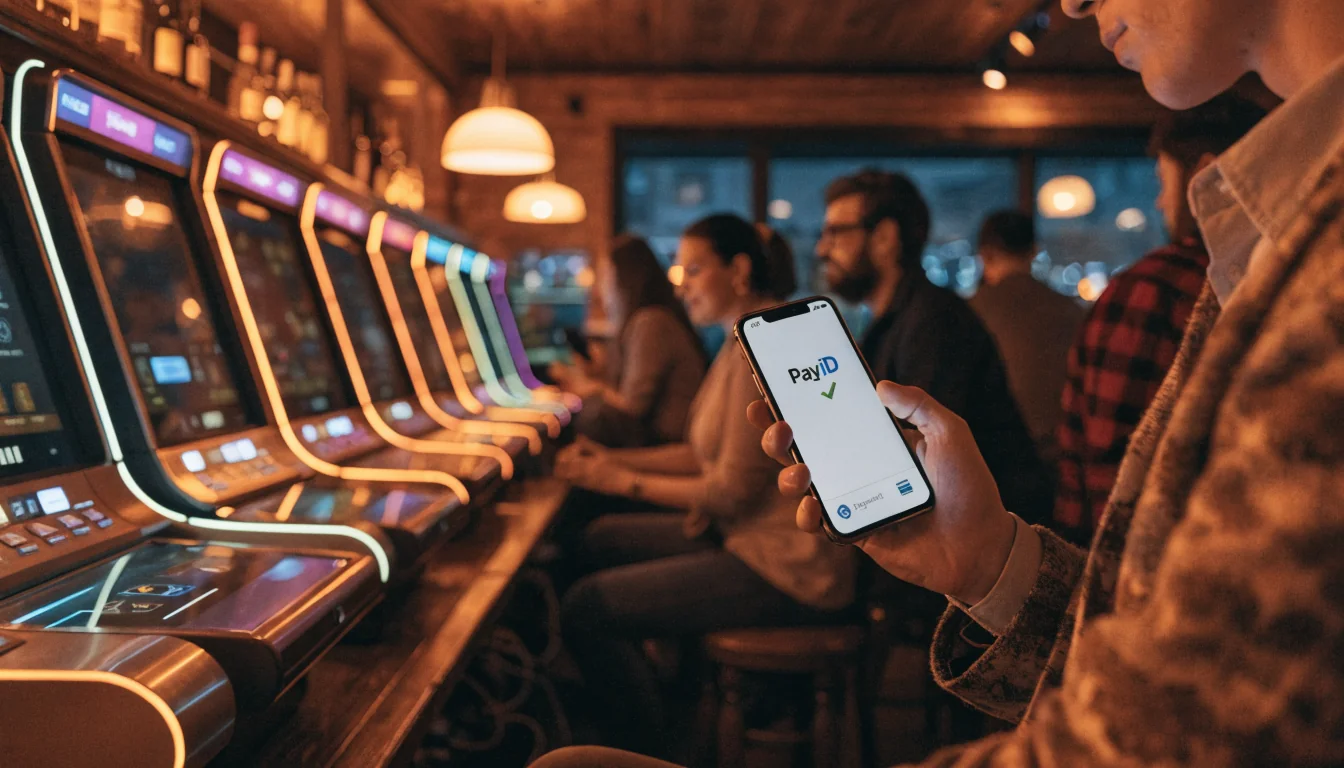
Responsible Gambling and Harm Minimisation
Underpinning all of this financial and regulatory discussion is the fundamental goal of harm minimisation. The Interactive Gambling Act 2001 was introduced to protect the public, and that mandate has not changed. The AUD 12 billion lost by players in the 2020-2021 financial year represents real economic harm. The AUD 608 per-capita loss represents rent money, grocery money, and savings drained into a machine.
The regulatory shift toward cashless gaming is not solely about catching money launderers; it is also about identifying and intervening with problem gamblers. When every transaction is tied to an account, a platform can monitor behaviour. If a player is spending excessively, chasing losses, or exhibiting signs of addiction, a digital system can flag that behaviour. A physical machine fed with cash has no way of knowing if the person pressing the buttons has been there for ten minutes or ten hours. An account-based system does.
This is where the 2026 outlook becomes a double-edged sword. On one hand, increased surveillance and data collection allow for better targeted interventions. On the other hand, it requires a significant surrender of privacy. The player who just wants to put a few dollars through a pokie after work is now leaving a detailed digital footprint of their entertainment choices. The balance between protecting the vulnerable and infringing on the privacy of the recreational gambler is a tightrope that regulators will have to walk carefully over the next few years.
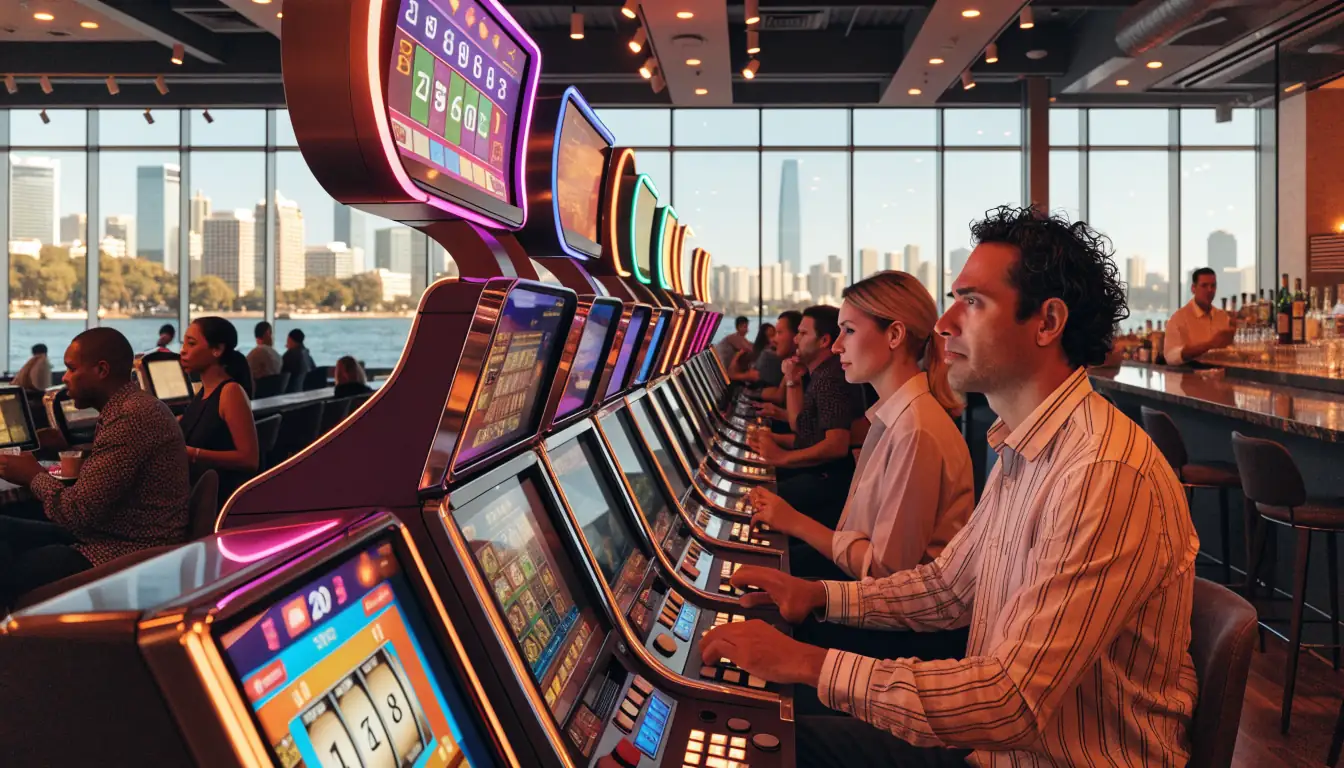
The Future of House of Pokies Casino Australia 2026
When looking at a specific platform like House of Pokies casino Australia 2026, you have to view it through the lens of this broader regulatory environment. The platform itself is a digital entity, but it exists within the context of a market that is actively trying to shut down unlicensed, offshore operators.
The ACMA has been actively blocking offshore gambling domains, targeting operators who offer casino games and pokies to Australian residents in violation of the Interactive Gambling Act 2001. While new domains and mirror sites constantly appear to replace the blocked ones, the landscape is becoming increasingly hostile for unlicensed operators.
For the player in 2026, the choice between a physical pokies venue and an online platform like House of Pokies will be starker. The physical venue will be highly regulated, fully cashless, and completely transparent. The online platform will offer convenience and a wider variety of games, but it will exist outside the protective bubble of Australian law. If a dispute arises over an unpaid bet, a malfunctioning machine, or a refused withdrawal, the player has no domestic legal recourse. The platform is operating illegally in the eyes of the Australian government, and thus the government will not act to protect the player who chose to use it.
This is the central reality of the 2026 outlook. The market is not shrinking; the AUD 191.2 billion turnover in 2023 is a testament to its growth. But the market is bifurcating. On one side, you have a safe, regulated, transparent, but increasingly restrictive domestic market. On the other, you have a wild, unregulated, convenient, but legally perilous offshore market. The role of the regulator is to push as much of that activity into the regulated column as possible, using tools like cashless gaming and AML/CFT compliance to make the unregulated side less appealing.
Improved traceability
Cashless gaming provides full transaction traceability, making money‑laundering far more difficult for operators and regulators.
Technological Integration and Traceability
The technological backbone of the 2026 pokies market is traceability. The era of dropping a handful of coins into a slot and walking away with a pocketful of cash is ending. The future is one of integrated digital wallets, biometric identification, and real-time transaction monitoring.
Transparent, account-based pokies provide full traceability of deposits, gameplay, and withdrawals. This is not just a selling point for regulators; it is the foundation of the new operating standard. When a player sits down at a machine in 2026, they will likely need to log in with a card or a mobile app. Every spin will be recorded against their account. Every win and every loss will be logged. This data is invaluable for two reasons: it allows AUSTRAC to track suspicious financial patterns, and it allows state regulators to enforce responsible gambling mandates, such as mandatory loss limits or cooldown periods.
For an online platform, this level of traceability is already standard. Any reputable online casino will track your deposits, your bets, and your withdrawals. The difference is that, for a domestic physical venue, this data is stored on Australian servers and is accessible by Australian authorities. For an offshore platform, that data is stored in a jurisdiction beyond the reach of the Australian government.
This technological disparity is a key theme for 2026. The domestic market is building a walled garden of data, designed to protect both the consumer and the state. The offshore market exists outside that wall, offering freedom and anonymity, but at the cost of legal protection and regulatory oversight.
The Impact of Taxation on the Market
The taxation of gambling operators in Australia varies by state and by type of gambling service. This complex tax structure is a major driver of revenue for state governments, and it is a key reason why the physical pokies market is so heavily defended. The taxes levied on pubs, clubs, and casinos fund public services, and the state is loath to see that revenue stream diverted to offshore operators who pay no Australian tax.
This creates an inherent tension. The government wants to protect its citizens from harm, but it also relies on the tax revenue generated by the AUD 12 billion lost by players annually. By pushing players toward cashless, regulated venues, the state ensures that the tax revenue remains intact and that the money stays within the Australian economy.
Gamblers’ winnings in Australia are not taxed, but the operators’ revenue is. This means that the AUD 608 per-capita loss is a net transfer of wealth from the general public to both the gambling industry and the state governments. For 2026, the tax outlook is stable but pressured. If the move toward cashless gaming causes a drop in overall gambling volume—because players find it harder to feed cash into machines when they have to actively log in and transfer funds—the state tax revenue will fall. This could prompt a further tightening of regulations on offshore operators, as the government attempts to close any loophole that allows money to leave the country without being taxed.
The Social Cost and the Regulatory Response
The social cost of the pokies market is the driving force behind the regulatory tightening. The AUD 12 billion lost in 2020-2021 is not just a financial figure; it represents a vast amount of individual harm. Families broken, debts accrued, and lives damaged by addiction form the human cost of the market.

The regulatory response, embodied by the move toward cashless gaming and the strict AML/CFT guidelines, is an attempt to mitigate this harm. By making the system transparent, regulators hope to identify problem gamblers before they reach rock bottom. By removing cash from the equation, they hope to remove the impulse-driven aspect of pokies gambling, where a player can quickly empty their wallet without any external check on their behaviour.
For 2026, this means that the social contract between the gambler, the venue, and the state is being rewritten. The venue is no longer just a place of entertainment; it is a frontline observer in the fight against both organised crime and personal ruin. The state is no longer just a tax collector; it is an active participant in monitoring individual behaviour. And the gambler is no longer an anonymous face feeding coins into a slot; they are a tracked, monitored, and verified user of a highly regulated financial product.
Adapting to the New Normal
For the market to function in 2026, adaptation is required at every level. Venue operators must invest in compliant technology and train their staff to recognise the new red flags. Players must adjust to the reality that their gambling habits are being monitored and recorded. And offshore platforms must navigate an increasingly hostile legal environment, where the ACMA and other bodies are actively working to cut off their access to the Australian public.
The market size, as evidenced by the AUD 150 billion in bets placed in 2020-2021 and the AUD 191.2 billion turnover in 2023, is not going to disappear. The desire to gamble is a constant. What changes is the environment in which that gambling takes place. The 2026 outlook is one of controlled, monitored, and highly regulated play, where the freedom of the cash economy is sacrificed for the security of a digital ledger.
Regulatory bodies overview
AUSTRAC oversees AML/CFT compliance nationwide, while state agencies such as the NSW Crime Commission, the ACT Gambling and Racing Commission, and Victoria’s Office of Liquor and Gaming Regulation enforce local licensing and tax requirements.
This is the context in which any discussion of House of Pokies casino must take place. It is a market defined by its scale, shaped by its legal constraints, and moving inexorably toward a future where every spin, every bet, and every cash-out is recorded and analysed. The challenge for the player is not finding a place to play, but understanding the rules of the game they are entering, the legal status of the operator they are using, and the financial and personal risks involved in a market that is simultaneously vast, lucrative, and heavily policed.
The Shifting Geography of Pokies
Australia accounts for either 3% or 18% of the world’s poker machines, depending on which data set you look at. Regardless of the exact figure, the geography of those machines is shifting. The physical machines are concentrated in pubs and clubs, but their digital equivalents are scattered across the internet, hosted on servers in Malta, Curaçao, and the United Kingdom.
This shifting geography means that the 2026 outlook is not just about what happens in a pub in Sydney, but about how an Australian player accesses a server in Europe. The Interactive Gambling Act 2001 makes it an offence for online operators to offer real-money gambling to Australian residents, but it does not make it an offence for an Australian to place a bet with an offshore operator. This legal loophole is the space in which platforms like House of Pokies operate.
The regulatory focus for 2026 is on closing this loophole. By forcing banks to block transactions to known offshore gambling operators and by ordering internet service providers to block their domains, the government is attempting to geographically contain the market. The goal is to ensure that if a player wants to gamble on pokies, they do so through a domestic, tax-paying, fully compliant venue, rather than an offshore website.
The Importance of Identity Verification
A key pillar of the 2026 regulatory framework is identity verification. Operators with more than 15 pokies must perform customer due diligence and report cash transactions over AUD 10,000. For the online market, identity verification is even more critical, as it is the primary defence against underage gambling, fraud, and money laundering.
If you are playing at an online casino, you will be required to submit identification documents before you can withdraw your winnings. This is standard practice across the industry. However, for an Australian player, this process carries additional weight. By submitting a copy of your driver’s licence or passport to an offshore operator, you are handing your personal data to an entity that is not bound by Australian privacy laws.
This is a significant risk in the 2026 landscape. The push toward cashless gaming in the physical market means that your data is being held by domestic, regulated entities. The continuation of play in the online market means your data is being held by offshore, unregulated entities. The choice between the two is not just a matter of convenience or game selection; it is a matter of data security and legal protection.
The End of the Cash Era for Pokies
The 2022 NSW Islington Report recommended making all NSW pokies cashless by the end of 2028. This is not an isolated movement; it is part of a national trend. The end of the cash era for pokies is approaching, and it will fundamentally change the nature of the market.
Cash is the enabler of both money laundering and problem gambling. It is anonymous, it is untraceable, and it allows a player to disconnect from the financial reality of their losses. By moving to a cashless system, the state is trying to force a moment of reflection. When a player has to actively transfer funds from a bank account to a gambling wallet, they are more aware of the money they are spending. When they can just feed a note into a machine, the money feels less real.
For 2026, the end of the cash era means a more controlled market. It means that the AUD 608 per-capita loss figure might finally start to decline, as the friction of digital transactions slows the rate of play. It means that the AUD 150 billion turnover will become a fully digitised, auditable stream of data. And it means that the operators who fail to adapt will face the full force of the law, including fines of up to AUD 100 million for casino compliance failures.
The Persistent Appeal of the Online Casino
Despite the regulatory tightening, the appeal of the online casino persists. The convenience of playing from home, the variety of games available, and the bonuses offered are powerful draws for players. House of Pokies online represents this persistent appeal.
But it is vital to understand that the same rules do not apply. The domestic market is shrinking in terms of its cash freedom, but it is growing in terms of its safety and regulation. The online market is growing in terms of its accessibility, but it is static in terms of its legal protection.
For the player in 2026, the decision is clear. You can engage with a heavily regulated, cashless, transparent domestic market, or you can engage with an unregulated, offshore, and legally ambiguous online market. The financial scale of the market—the billions of dollars in turnover and the hundreds of dollars in per-capita losses—will continue to flow, but the channels through which it flows will be more rigidly defined than ever before.
- Register with AUSTRAC and maintain up‑to‑date AML records.
- Appoint a dedicated compliance officer for venues with more than 15 pokies.
- Implement account‑based, cashless gaming systems.
- Ignore large cash insertions followed by immediate cash‑out.
- Fail to report transactions over AUD 10,000.
- Provide real‑money online services without an Australian licence.
Final Thoughts on the Market Landscape
As we move toward 2026, the landscape of pokies in Australian casinos and pubs is one of transformation. The financial scale is undeniable, with billions of dollars changing hands every year. The regulatory framework is tightening, driven by the need to combat money laundering and minimise gambling harm. The move toward cashless gaming is not a distant possibility but an approaching reality, promising a future where every spin is tracked, every transaction is logged, and every player is identified.
In this environment, understanding the distinction between a regulated domestic venue and an unregulated offshore platform is more important than ever. The former offers the security of the state and the protection of the law; the latter offers the thrill of the game but leaves the player exposed to financial and legal risks. The market is not disappearing, but it is evolving, and the player who wants to engage with it must evolve with it, armed with the knowledge of how the system works, what the rules are, and what the stakes truly are. The 2026 outlook is not a prediction of doom or a promise of fortune, but a clear-eyed view of a market that is vast, complex, and under more scrutiny than ever before.
Understanding the Nuances of the 2026 Transition
The transition into 2026 is not a single event but a series of overlapping regulatory and technological shifts. The push for cashless gaming, the enforcement of AML/CFT protocols, and the ongoing battle against offshore operators are all happening simultaneously. This creates a complex environment for both operators and players to navigate.
For the domestic market, the transition means a significant capital expenditure. Venues must upgrade their machines, integrate new payment systems, and train their staff in the new compliance procedures. The cost of non-compliance, highlighted by the AUD 100 million fine threshold for NSW casinos, is simply too high to risk. The operators are being forced into a corner where transparency is the only viable business model.
For the offshore market, the transition is about evasion and adaptation. As the ACMA blocks more domains and AUSTRAC tightens its grip on the financial system, offshore operators must find new ways to reach the Australian consumer. This cat-and-mouse game is a defining feature of the 2026 landscape. The offshore platforms are not subject to the same push for cashless gaming, but they are subject to the increasing effectiveness of the Australian government’s digital blockade.
The Role of the Australian Public
Ultimately, the 2026 outlook is shaped by the Australian public. The AUD 150 billion in bets placed in 2020-2021 and the AUD 191.2 billion in turnover in 2023 are not generated by a small group of high-rollers; they are generated by the collective action of millions of individuals feeding small amounts into machines across the country. The AUD 608 per-capita loss is a democratic figure, spread across the population.
This means that any regulatory change must account for public behaviour. If the move to cashless gaming causes a significant drop in participation, the tax revenue will fall, and the political pressure to ease the regulations will increase. If the regulations are too weak, the money laundering and harm minimisation goals will not be met. The 2026 outlook is therefore a delicate balance, a tightrope walk between protecting the public and preserving a multi-billion-dollar industry.
The Future of the House of Pokies Brand
In this context, the future of any specific brand, such as House of Pokies, is tied to its ability to navigate this complex landscape. For a domestic operator, the future is clear: comply, digitise, and survive. For an offshore operator, the future is less certain. The brand must continue to offer a product that is appealing enough to draw players away from the regulated domestic market, while also avoiding the attention of the Australian regulators.
The 2026 outlook for the brand is therefore one of calculated risk. The demand for the product is high, but the legal and operational barriers are growing. The brand exists in a space where the rewards are high, but the risks—both for the operator and the player—are significant. Understanding this space is essential for anyone looking to engage with the Australian pokies market in the coming years.
The Regulatory Tightrope
The 2026 outlook is a regulatory tightrope. The government is trying to balance the need to protect the public from gambling harm with the need to protect the financial system from money laundering, all while preserving a lucrative tax base. The result is a set of regulations that are both strict and complex, creating a market that is both open and highly controlled.
For the player, this means navigating a landscape where the rules are not always intuitive. The distinction between a legal, regulated pub and an illegal, unregulated online casino is not always clear, especially when the online platform is designed to look and feel just like a domestic product. The responsibility falls on the player to understand the legal status of the platform they are using, the protections that are in place, and the risks they are taking.
Player risk
Playing on offshore online pokies offers no local consumer protection, leaving Australian players without legal recourse for disputes or withheld withdrawals.
The Long-Term View
Looking beyond 2026, the long-term view of the Australian pokies market is one of continued integration between physical and digital systems. The cash era is ending, and the era of the digital wallet is beginning. The era of anonymous play is ending, and the era of verified accounts is beginning.
This transformation will not be without its challenges. There will be resistance from players who value their anonymity, from venues that cannot afford the upgrade costs, and from offshore operators who are being squeezed out of the market. But the momentum is clear, and the direction is set. The 2026 outlook is just the beginning of a longer journey toward a fully transparent, fully regulated gambling market in Australia.
In this market, the concept of House of Pokies casino Australia 2026 is not just a specific platform or a search term, but a symbol of the broader changes taking place. It represents the intersection of a deeply ingrained cultural habit with a rapidly evolving regulatory and technological framework. Understanding this intersection is the key to understanding the future of pokies in Australia.
The Final Analysis
In the final analysis, the 2026 outlook for pokies in Australian casinos and pubs is one of systemic reform. The financial scale of the market, the pervasive presence of the machines, and the social costs associated with them have all contributed to a regulatory environment that is demanding change. The move toward cashless gaming, the strict enforcement of AML/CFT regulations, and the ongoing battle against offshore operators are all part of a comprehensive effort to bring the market under control.
For the player, this means a more secure, more transparent, but also more monitored gambling environment. For the operator, it means a more costly, more complex, but also more legitimate business model. And for the market as a whole, it means a shift from a cash-driven, anonymous, and potentially vulnerable system to a digital, verified, and highly regulated one. The 2026 outlook is not the end of the pokies market in Australia, but the beginning of a new era for it.
A Closer Look at the Numbers
The numbers that define the Australian pokies market are staggering. In the financial year 2020-2021, Australians placed bets worth almost AUD 150 billion on electronic gaming machines. This is a figure that is difficult to comprehend, representing a volume of money that rivals the GDP of a small nation. The total player loss from these machines in the same year was about AUD 12 billion, a figure that represents the actual cost to the gambling public.
When you break this down to a per-capita level, the loss was AUD 608 per person. This is not a figure that applies only to gamblers; it is a figure that is averaged across the entire population, including those who never gamble at all. This indicates the sheer scale of the market and its impact on the national economy.
According to data from complyadvantage.com, pokies generated AUD 191.2 billion in gambling turnover in 2023. This shows a significant increase from the 2020-2021 figures, indicating that the market is not contracting but is in fact growing. The amount of money being churned through these machines is increasing, making the regulatory challenges more pressing and the need for reform more urgent.
The Global Context
In the global context, Australia’s share of the world’s poker machines is a matter of some debate. Some sources suggest that Australia accounts for 3% of the world’s pub and club poker machines. Others claim a much larger share, stating that Australia accounts for about 18% of the world’s poker machines. This discrepancy is significant and points to the difficulty of accurately measuring a market that spans both heavily regulated domestic venues and unregulated offshore platforms.
Regardless of which figure is accurate, it is clear that Australia has a disproportionate number of these machines for its population size. This high concentration is a key factor in the regulatory push, as the government seeks to manage the social and financial impact of such a pervasive gambling culture.
The Mechanics of Laundering
The mechanics of money laundering through pokies are a primary focus of the regulatory reform. The high volume of cash transactions and limited traceability of pokies make them attractive for money laundering. Criminals use a variety of methods to exploit the system, all of which rely on the anonymity and cash-intensive nature of the machines.
One common method is the insertion of large sums of cash into EGMs, followed by minimal gambling activity and an immediate cash-out. This creates a false record of winnings, allowing the criminal to claim that the money was legitimately won on the machines. Another method involves the purchase of winning tickets from other players. Offenders will offer to buy a winning ticket from a legitimate player, providing the offender with a clean, traceable record of a win, while the player walks away with untraceable cash.
Structuring across venues is another tactic. This involves spreading smaller cash deposits across different venues to avoid AML reporting thresholds. By keeping each deposit under the reporting limit, criminals can launder large sums of money without triggering any alerts. According to complyadvantage.com, money mules are recruited to launder money through pokies, spreading the activity across multiple venues and individuals to avoid detection.
Criminals feed big amounts of cash into a machine, make minimal bets and cash out immediately, creating a false win record.
Offshore actors buy winning tickets from legitimate players, converting clean winnings into illicit cash.
Multiple small cash deposits are spread over several venues to stay below reporting thresholds, avoiding AML alerts.
The AUSTRAC Response
In response to these tactics, AUSTRAC issued a guide in 2024 to help firms recognize money-laundering red flags. This guide is a comprehensive manual for compliance officers, detailing the specific behaviours and transaction patterns that should trigger suspicion.
The red-flag indicators include unusually high cash access, large deposits, cash transfers, casino disbursement checks, and certain occupations that might explain a sudden influx of cash. More specifically, a red flag is large or repeated cash insertions followed by minimal play and immediate cash-out. This behaviour shows no interest in gambling; the machine is simply being used as a tool to wash money.
Frequent small redemptions across different venues within a short period are also a red flag, pointing to the structuring of deposits. Additionally, customers refusing identification or using multiple player cards constitute a red flag, as this suggests an attempt to hide their identity or the true scale of their activity.
Compliance Requirements
The compliance requirements for operators are tiered based on the size of their operation. Operators with up to 15 pokies must register with AUSTRAC, keep identification records, and submit suspicious matter reports. This ensures that even small venues are part of the national reporting framework.
Operators with more than 15 pokies face stricter requirements. They must appoint a compliance officer, conduct risk assessments, implement AML/CFT programs, perform customer due diligence, and report cash transactions over AUD 10,000. This higher tier of regulation ensures that larger venues, which handle significantly more money, have dedicated staff and systems in place to monitor and report suspicious activity.
Non-compliant operators may face severe consequences. They may receive remedial directions, infringement notices, and civil fines. An amendment to the Casino Control Act 1992 allows NSW casino operators to be fined up to AUD 100 million for compliance failures. This is a punitive measure designed to ensure that the largest operators take their AML/CFT obligations seriously.
The Path Forward
The path forward for the Australian pokies market is one of increased regulation and technological integration. The 2022 NSW Islington Report recommended making all NSW pokies cashless by the end of 2028. This recommendation is a driving force behind the regulatory push, as the government seeks to eliminate the cash-based vulnerabilities in the system.
According to facctum.com, the adoption of cashless, account-based pokies improves traceability and reduces anonymity. Transparent, account-based pokies provide full traceability of deposits, gameplay, and withdrawals. This level of transparency is the ultimate goal of the regulatory reform, as it makes both money laundering and anonymous problem gambling far more difficult.
Regulators recommend tighter customer due diligence, transaction monitoring, and the adoption of cashless gaming systems. This comprehensive approach is designed to protect both the financial system and the individual player, ensuring that the market can continue to operate without being a conduit for criminal activity or a source of unmitigated social harm.
Conclusion of the Market Overview
The 2026 outlook for pokies in Australian casinos, pubs, and clubs is a landscape of transformation. The financial scale is vast, the regulatory framework is tightening, and the move toward cashless gaming is reshaping the way the market operates. From the AUD 150 billion in bets placed in 2020-2021 to the AUD 191.2 billion in turnover in 2023, the market is growing and evolving.
The regulatory response, driven by AUSTRAC and state-level bodies, is focused on harm minimisation and the prevention of money laundering. The push toward cashless, account-based gaming is the most significant shift on the horizon, promising a future where every transaction is tracked and every player is verified.
In this environment, the distinction between a regulated domestic venue and an unregulated offshore platform is more important than ever. Understanding the legal status of the platform you are using, the protections that are in place, and the risks you are taking is essential for anyone looking to engage with the Australian pokies market in 2026 and beyond. The market is not disappearing, but it is changing, and the key to navigating it successfully is knowledge, caution, and an awareness of the rules that govern the game.
House of Pokies Deposit Bonuses and Promo Codes – What You Need to Know
When you look for a house of pokies no deposit bonus code or a house of pokies free chip no deposit, you are searching for a way to test a platform before committing your own funds. These promotions, alongside house of pokies no deposit signup bonus offers, are designed to give you a starting balance. Yet, there is a strict legal reality behind how these platforms operate and how they advertise to you.
The Interactive Gambling Act (2001) makes it an offence for online operators to offer real-money gambling to Australian residents. There is no domestic licensing system available for offshore operators to legally provide these casino games. When you access a platform and claim a bonus, you are interacting with an offshore entity that operates outside of Australian regulatory oversight.
If you are searching for house of pokies no deposit bonus codes, you should understand that any operator offering these services to Australians is doing so in violation of Commonwealth law. Non-compliant operators may receive remedial directions, infringement notices, civil fines and suffer reputational damage from Australian authorities. The penalties for breaking the Interactive Gambling Act fall entirely on the operator, not on you as the player.
Gamblers’ winnings in Australia are not taxed. Because the operator is offshore and unregulated by the local government, the process of withdrawing funds from a bonus claim relies entirely on the platform’s internal procedures. You have no local regulatory body to appeal to if a withdrawal is delayed or denied.
Searching for promotional offers requires an honest assessment of the risks. An operator willing to bypass Commonwealth law to provide you with real-money games is operating outside of any Australian consumer protection framework. Any bonus conditions, including wagering requirements, are set unilaterously by the operator. You must read the terms attached to any offer carefully, keeping in mind that no local regulator oversees their enforcement. If you choose to engage with these platforms, do so with the understanding that the legal protections available in regulated Australian gambling markets do not apply to these offshore accounts.
What are the best online casinos in Australia for 2026?
There are no domestically licensed real-money online casinos in Australia. The Interactive Gambling Act 2001 prohibits operators from offering these services to Australian residents, meaning any platform you encounter is operating outside the federal regulatory framework.
Are crypto casinos legal in Australia in 2026?
No. Under the Interactive Gambling Act 2001, it is an offence for any operator to offer real-money online gambling, which includes crypto-based casinos, to Australian residents. While it is not illegal for you to play at offshore platforms, there is no domestic licensing available.
What does the future outlook look like for the Australian online casino market?
The domestic online casino market cannot legally exist under the current Interactive Gambling Act 2001. However, the broader pokies market is shifting towards cashless, account-based systems to improve traceability, with recommendations for all NSW pokies to become cashless by the end of 2028.
Prepared by the Casino Live Portal editorial staff.