
Best Pokie Machines to Play in Australia: What to Know
 Available in US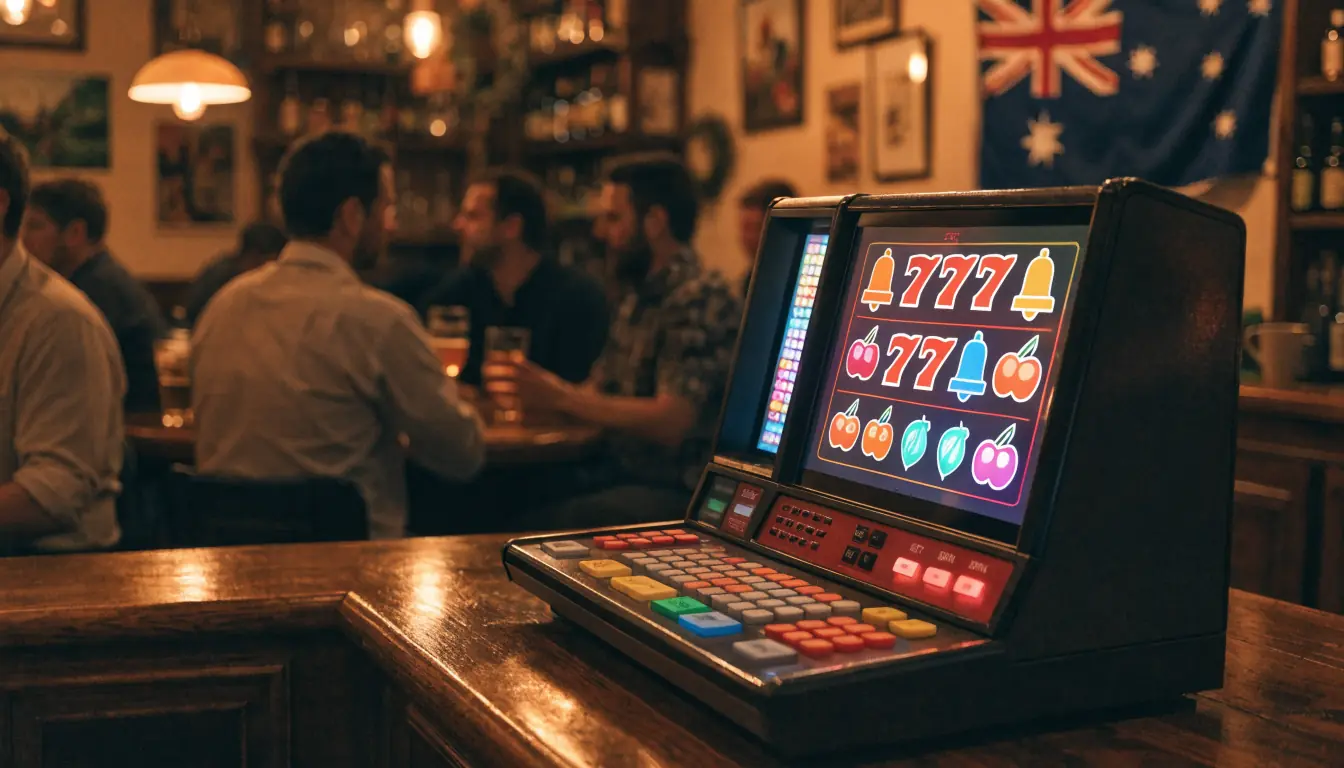
Table of Contents
- Understanding Pokies: Size and Impact of Australia’s Electronic Gaming Machines
- Regulatory Framework for Pokies and Casinos in Australia
- Playing Pokies Online: Opportunities and Legal Boundaries
- Real‑Money Pokies: Legal Status and Tax Implications
- Free Pokie Games and Demo Modes: How They Differ from Real Play
- Physical Pokie Machines: Types, Locations, and Player Experience
- Pokie Odds and Return‑to‑Player (RTP): What the Numbers Mean
- Common Pokie Game Themes and Their Popularity
- Pokie Apps, APIs and Third‑Party Platforms: Current Landscape
- Practical Tips to Maximise RTP and Manage Your Bankroll
Understanding Pokies: Size and Impact of Australia’s Electronic Gaming Machines
When you walk into a pub, a licensed club, or a casino anywhere in Australia, you will hear a specific sound: the mechanical whir and electronic chime of pokies. Known formally as electronic gaming machines (EGMs), these devices are a deeply embedded part of the local hospitality and entertainment landscape. They are operated in all Australian states, the Australian Capital Territory, and the Northern Territory, making them a truly national presence rather than a niche pastime confined to a single region or venue type.
For anyone looking to understand the environment surrounding the best pokie machine to play australia 2026, it is necessary to first grasp the sheer scale of this hardware and its presence in everyday life. Pokies are widely used in Australian pubs, clubs, and casinos. You will find them lining the walls of local leagues clubs, tucked into designated gaming rooms within neighbourhood hotels, and spread across the expansive floors of integrated casino resorts. Unlike jurisdictions where casino gaming is restricted to a single high-roller precinct in a major city, electronic gaming machines are woven into the fabric of local suburban life. A local sports club might feature a dedicated room with rows of machines, while a rural pub might have a smaller, carefully monitored selection.
Before you spin the reels on any pokie machine in 2026, it pays to check who’s actually running the show behind the screen. Licensing, bonus structure, and payout speed can make or break your experience, so here’s a quick rundown to help you weigh your options.
License: Curacao Gaming Control Board OGL/2023/176/0095 (Hollycorn N.V.) · Bonus: up to A$1,500 + 200 free spins across 3 deposits Licensed under the Curacao Gaming Control Board via Hollycorn N.V., LuckyVibe backs up its credentials with a multi-deposit welcome package worth up to A$1,500 plus 200 free spins.
Bonus: up to A$750 + 50 jackpot spins, 35x wagering · Payout speed: crypto ~90 minutes, fiat 1-5 days · Min. deposit: A$30 Kingmaker offers a jackpot-spin bonus up to A$750 with 35x wagering, and stands out for fast crypto payouts around 90 minutes alongside a low A$30 minimum deposit.
License: Curacao Gaming Authority (Jumpman Gaming Ltd) · Bonus: up to A$6,600 + up to 250 free spins across 4 deposits Backed by Jumpman Gaming Ltd under a Curacao Gaming Authority licence, DragonSlots Casino brings one of the larger bonus packages here, up to A$6,600 plus 250 free spins spread across four deposits.
License: Curacao Gaming Control Board OGL/2023/174/0082 (Dama N.V.) · Bonus: up to A$5,000 + 300 free spins across 4 deposits SpinsUp holds a Curacao Gaming Control Board licence via Dama N.V. and offers a sizeable four-deposit bonus reaching up to A$5,000 plus 300 free spins.
License: international iGaming licence – jurisdiction not named in the source · Bonus: 100% up to A$1,000 + 100 free spins, 35x wagering · Payout speed: PayID 1-24 hours · Min. deposit: A$30 (PayID from A$10) House of Pokies operates under an international iGaming licence and pairs a 100% bonus up to A$1,000 with 100 free spins, plus notably fast PayID withdrawals and a low minimum deposit.
License: Curacao · Bonus: up to A$10,000 multi-stage + 500 free spins · Min. deposit: A$20 (POLi) Lucky Dreams is licensed in Curacao and offers a substantial multi-stage bonus up to A$10,000 with 500 free spins, plus an accessible minimum deposit via POLi.
License: Curacao Gaming Control Board OGL/2023/176/0095 (Hollycorn N.V.) · Bonus: up to A$11,000 + 300 free spins (code NEO100) Operating under Hollycorn N.V.’s Curacao Gaming Control Board licence, Neospin features one of the biggest bonus offers on this list, up to A$11,000 plus 300 free spins with a dedicated bonus code.
License: Curacao eGaming OGL/2024/923/0383 (Antillephone N.V.) · Bonus: up to A$2,000 + 100 free spins across 2 deposits · Min. deposit: A$30 WinSpirit Casino is licensed by Curacao eGaming through Antillephone N.V., offering a two-deposit bonus up to A$2,000 plus 100 free spins with a moderate minimum deposit.
License: Curacao eGaming (Dama N.V.) · Bonus: up to A$10,000 + 180 free spins, 40x wagering JeetCity Casino holds a Curacao eGaming licence via Dama N.V. and offers a large bonus up to A$10,000 with 180 free spins, though wagering requirements run a bit higher at 40x.
License: Curacao – Antillephone N.V. (Versus Odds B.V.) · Bonus: up to EUR 2,000 across 5 deposits + 200 free spins · Min. deposit: EUR 20 Thor Casino is licensed through Antillephone N.V. in Curacao and spreads its bonus, up to EUR 2,000 plus 200 free spins, across five deposits with an accessible entry deposit.
The physical footprint of these machines is matched only by the financial volume they process. The scale of player engagement with these devices is immense. To understand the current market and prepare for future shifts, you have to look at the verified financial data from recent years, which paints a clear picture of just how much capital flows through these machines annually.
Annual Turnover and Player Expenditure
When discussing the economics of electronic gaming machines, the conversation is typically divided into two distinct figures: turnover and player loss. Turnover represents the total amount of money fed into the machines, including winnings that are subsequently re-bet. Player loss, or net expenditure, is the amount initially bet that is not returned to the player through payouts.
In the financial year 2020-2021, Australians placed bets worth almost AUD 150 billion on electronic gaming machines. This figure represents the total churn through the hardware—the continuous cycle of inserting funds, pressing buttons, and re-betting generated credits. Because a single dollar can be bet multiple times if it returns as a win, the turnover figure is substantially higher than the amount of money players actually brought into the venue.
While the turnover figure demonstrates the velocity of money moving through the machines, the player loss figure shows what was actually retained by the operators. In the same financial year, 2020-2021, the total player loss from electronic gaming machines was about AUD 12 billion. This AUD 12 billion represents the funds that did not return to the community as winnings and instead remained with the venues and, subsequently, was distributed to state governments through taxation mechanisms.
Looking at more recent data provided by complyadvantage.com, pokies generated AUD 191.2 billion in gambling turnover in 2023. This figure represents a substantial increase from the 2020-2021 turnover, indicating a rise in the volume of money cycling through the machines as public mobility and venue attendance returned to standard levels following the pandemic.
Per-Capita Impact
To understand the individual impact of these figures, it helps to look at the per-capita data. In the financial year 2020-2021, per-capita losses from electronic gaming machines were AUD 608. This means that, averaged across the entire population, the equivalent of AUD 608 per person was lost to electronic gaming machines over those twelve months. This per-capita calculation provides a stark measure of the financial footprint of these devices. It highlights that the AUD 12 billion in total player loss is not an abstract national figure, but a cost distributed directly across the adult population.
When you assess the scale of this hardware, it becomes clear that the impact is felt broadly. The per-capita loss figure is a direct reflection of how frequently these machines are accessed and how much money is retained on average by the venues. The prevalence of electronic gaming machines in easily accessible community venues—compared to jurisdictions where gambling is centralised in distant casino districts—directly contributes to this high per-capita engagement.
Australia’s Share of Global Machines
Australia’s relationship with electronic gaming machines is an outlier on the global stage, but measuring exactly how much of the world’s hardware sits within Australian borders depends entirely on which data set is being cited. There is a noted discrepancy in the reporting of this specific metric.
One set of data indicates that Australia accounts for 3% of the world’s pub and club poker machines. However, a conflicting report suggests that Australia accounts for about 18% of the world’s poker machines. The discrepancy between 3% and 18% is vast, and it highlights the difficulty in accurately cataloguing global gaming hardware, as the definition of what constitutes a "poker machine" varies significantly between different jurisdictions and reporting bodies. Regardless of whether the accurate share is closer to three percent or eighteen percent, the data confirms that the concentration of these machines in Australia is disproportionately high for a single nation.
Per‑capita loss of AUD 608 indicates the average Australian adult loses that amount each year, so gambling can quickly erode personal finances.
This dense saturation of hardware is precisely why terms like "pokies" have become a standard part of the local lexicon, rather than a specialised gambling term. The machines are visible and accessible in daily life, normalising the interaction and driving the high turnover figures.
Looking Towards 2026
As the market moves towards 2026, the hardware and software driving these financial figures are undergoing significant shifts. The physical presence of the machines remains constant, but the regulatory and operational environment around them is tightening. Complianceadvantage.com notes that a key catalyst for this change is the 2022 NSW Islington Report, which recommended making all NSW pokies cashless by the end of 2028. This recommendation signals a fundamental change in how money is inserted and retrieved from the hardware.
Moving away from physical cash insertion alters the fundamental mechanics of pokie machine payouts. When cash is removed from the equation, the process of feeding banknotes into a machine and collecting coins or tickets from a dispenser tray is replaced by digital wallet transfers and account-based tracking. This transition affects every aspect of the player experience, from the speed of play to the documentation of every single payout percentage and financial transaction.
The drive toward cashless hardware is not merely a technological upgrade; it is a direct response to the immense volume of money flowing through the devices. With AUD 150 billion in bets placed in a single year, and a national per-capita loss of AUD 608, the current cash-based infrastructure requires intensive physical handling and auditing. The transition to digital systems fundamentally changes how venues track pokie machine payout percentages, ensuring that every cent of the AUD 191.2 billion turnover reported in 2023 is accounted for in real-time.
The Context of Choice
Understanding the size and impact of the Australian electronic gaming machine market is the first step in navigating it. When you look for the best pokie machine to play, you are not looking at an isolated piece of software or a standalone game. You are interacting with a highly regulated, heavily taxed piece of hardware that is deeply integrated into the local economy. The AUD 12 billion lost in 2020-2021 did not simply vanish; it was redistributed into state revenues, community projects, and venue operations.
The scale of this market means that any new pokie machine introduced to a venue floor is subjected to intense scrutiny regarding its payout structure and compliance. The hardware you encounter in 2026 will be shaped by the data trails left by the billions of dollars turned over in the preceding years. As you explore the specific options available, remembering the sheer volume of capital and the per-capita impact provides a grounding context for every session you engage in. The machines are designed for rapid, repeated play, and the turnover figures demonstrate exactly how effectively they achieve this. The financial scale is a feature of the environment, and understanding it is essential for anyone engaging with the market.
Regulatory Framework for Pokies and Casinos in Australia
When you walk into a venue to play a physical pokie machine casino environment, the rules governing that machine operate on two distinct levels. The regulatory framework for electronic gaming machines and casino operations in Australia is a combination of federal oversight and state-level administration. Understanding this division helps you see how the system is built to function.
Federal Law and the Interactive Gambling Act
The overarching federal statute is the Interactive Gambling Act 2001. This legislation makes it an offence for online operators to offer real-money gambling services to Australian residents. While the next sections address the specific boundaries of online play, it is vital to understand that this federal law sets the absolute ceiling for what operators can legally provide. It dictates that any domestically licensed real-money online casino gambling is illegal, and it is not possible to obtain a licence to operate an online casino domestically.
State and Territory Governance
While federal law handles the online space, the physical Australian pokie machine you encounter in a pub, club, or casino is regulated by individual state and territory governments. Each jurisdiction maintains its own gaming authority responsible for licensing venues, approving hardware, and enforcing operational standards.
State regulators
State gaming authorities issue licences, set machine caps per venue, define mandatory spending limits, and approve hardware specifications before machines can operate publicly.
This localised structure means the rules for a casino pokie machine in one state may differ slightly from those in a neighbouring state. State regulators determine how many machines a specific venue can operate, the mandatory spending limits, and the technical standards the hardware must meet before it is approved for public use.
Taxation on Winnings and Operators
A key detail for anyone playing is how winnings are treated. Gamblers’ winnings in Australia are not taxed. If you win on a pokie machine, those funds are yours without a tax obligation. The financial responsibility falls entirely on the operators.
Taxation of gambling operators in Australia varies by state and by type of gambling service. State governments levy taxes on the revenue generated by venues, meaning the tax is applied to the house’s net profit, not to the player. This creates a system where the commercial burden sits with the venue operator, while the player’s payout remains untouched by the tax office.
Simulators and Regulatory Distinctions
You might come across a pokie machine simulator in a non-gambling context, such as a mobile application or a website. These simulators sit outside the heavy regulatory framework because they do not offer real-money payouts. When an environment operates strictly with virtual credits and involves no financial exchange, it does not fall under the same wagering legislation as a physical machine in a licensed venue.
Regulators focus on platforms where actual money is risked and won. If you are looking for the highest paying pokie machine, you will only find verified payout data within venues that are legally required to report their operations to state regulators. Unofficial simulators offer no such transparency, as they exist outside the regulatory structure designed to monitor real-money hardware.
Compliance and Venue Obligations
Licensed venues must adhere to strict operational requirements. The high volume of cash transactions in a physical pokie machine casino environment means operators are subject to rigorous compliance standards. State and territory regulators mandate that venues implement responsible gambling measures, including mandatory pre-commitment systems and self-exclusion registers. These systems are enforced locally but align with the broader federal intent of the Interactive Gambling Act 2001 to minimise gambling harm. Venues must also maintain detailed records of their machine operations, undergo regular audits, and ensure that all hardware complies with the technical standards set by their respective state gaming authorities.
Playing Pokies Online: Opportunities and Legal Boundaries
When you look for a pokie machine online, the landscape you encounter is shaped by a very specific set of legal boundaries. Unlike physical venues where you can walk in, insert cash, and play, the digital space operates under strict federal oversight. Understanding what is permitted, what is prohibited, and how the law interprets your digital engagement is necessary before you attempt to play a pokie machine online.
The Interactive Gambling Act and Real-Money Prohibitions
The primary boundary governing the digital space is the Interactive Gambling Act 2001. This legislation makes it an offence for online operators to offer real-money gambling to Australian residents. If you are searching for an online pokie machine real money experience, you will find that domestic operators cannot legally provide it. The law explicitly targets the providers, not the individual player. It is not illegal for you to play at offshore-licensed online casinos, but it is illegal for any business to offer online casino gambling within Australia. There is no local licensing regime for real-money online casinos, meaning no domestic operator can legally host real pokie machine games online for cash prizes.
How Paylines Function in Digital Environments
When you play pokie machine online, the mechanics mirror physical machines in how outcomes are determined, but the delivery relies entirely on software. A core component of this software is the configuration of pokie machine paylines. Paylines are the specific patterns across the reels that result in a payout when matching symbols land on them. In an online pokie machine simulator, these lines can be fixed or adjustable. While physical machines use mechanical reels or a single fixed digital display, online pokie machine games use random number generators to determine where each reel stops. The paylines dictate whether the resulting combination yields a return. Because the digital environment is not constrained by physical cabinet size, software can accommodate configurations that would be impractical in a physical frame.
Paylines may be fixed, offering a single set of win lines, or adjustable, allowing players to select how many lines to bet on.
The Role of Software and Simulators
Because domestic operators cannot offer real-money play, the market for online pokie machine software within Australia is focused on demonstration and entertainment rather than wagering. An online pokie machine simulator allows users to experience the mechanics, visuals, and payline structures of these games without wagering actual funds. These simulators use virtual credits. When you access a free online pokie machine, the software operates identically to a real-money version in terms of gameplay and randomness, but the financial element is entirely removed. Developers design this online pokie machine software to replicate the feel of physical machines, providing a space to understand the game’s volatility and bonus features without financial risk.
Free Play and Demonstration Modes
If you are looking for a free online pokie machine, the legal restrictions do not apply in the same way. Providing access to a free online pokie machine games platform does not constitute offering real-money gambling, provided no cash prizes are attached and the games do not facilitate real-world wagering. You can play pokie machine online in demonstration modes legally. These platforms provide virtual credits that reset upon depletion or when a session ends. The distinction is strict: as long as no money is required to play and no money can be won, the platform remains outside the Interactive Gambling Act’s prohibitions on real-money casino gaming.
Searching for Real-Money Platforms
Players sometimes look for real pokie machine games online. While the Interactive Gambling Act 2001 prohibits domestic provision, it does not make it illegal for residents to access offshore platforms. However, engaging with an offshore provider carries distinct considerations. Winnings in Australia are not taxed, but ensuring a platform operates fairly is entirely your responsibility. The domestic regulatory framework cannot enforce standards on offshore entities.
Financial Vulnerabilities and Red Flags in Digital Spaces
The digital and physical gambling environments are both subject to scrutiny regarding financial crimes. While domestic real-money online play is prohibited, the movement of funds related to offshore play and the operation of physical venues requires monitoring. AUSTRAC issued a guide in 2024 to help firms recognize money-laundering red flags.
Operators with up to 15 pokies must register with AUSTRAC, keep identification records, and submit suspicious matter reports. Operators with more than 15 pokies must appoint a compliance officer, conduct risk assessments, implement AML/CFT programs, perform customer due diligence, and report cash transactions over AUD 10,000. Non-compliant operators may receive remedial directions, infringement notices, civil fines and suffer reputational damage.
These rules exist because the movement of money through gaming systems is attractive to criminals. According to complyadvantage.com, money mules are recruited to launder money through pokies. AUSTRAC’s red-flag indicators include unusually high cash access, large deposits, cash transfers, casino disbursement checks, and certain occupations. A red flag is large or repeated cash insertions followed by minimal play and immediate cash-out. While these specific indicators primarily target physical venues handling cash, the principles of transaction monitoring extend to any digital platform processing deposits and withdrawals related to gambling activities.
Navigating the Boundaries Responsibly
When you want to play pokie machine online, your options are legally defined by the Interactive Gambling Act. Domestic real-money play is unavailable because the law makes it an offence for operators to provide it. Free online pokie machine games are available and provide a way to engage with the software without financial risk. The mechanics, including pokie machine paylines, operate identically in these free versions. The legal framework draws a firm line between playing for virtual credits and wagering real money, ensuring that any domestic platform you encounter offering pokie machine games online does so within the boundaries of the law.
The legal boundaries shape what you can access. The Interactive Gambling Act ensures that any domestic attempt to offer real-money play is prohibited, while allowing you to engage with free online pokie machine games for entertainment. Understanding these limits helps you navigate the digital landscape safely, recognising that while you can play pokie machine online in demonstration modes, the opportunity to wager real money domestically does not exist. The software, the paylines, and the random number generators are available to explore, but the financial risk is removed by law.
Legal risk of offshore sites
Playing on offshore online pokie platforms bypasses Australian consumer protections and can expose you to fraudulent operators.
Players exploring an online pokie machine simulator will find the experience mirrors the physical machines found in venues, but without the cash transactions that trigger regulatory oversight. This separation allows for entertainment and familiarisation with game mechanics. The use of virtual credits in a free online pokie machine removes the financial element entirely, keeping the activity outside the scope of real-money gambling prohibitions.
When assessing online pokie machine software, it is clear that the domestic market is restricted to these demonstration models. The absence of local licensing for real-money play means that developers and operators cannot legally monetise these games through direct wagering. Therefore, any domestic platform offering pokie machine games online is providing a simulation. The configuration of pokie machine paylines in these simulations is determined by the software provider, offering the same variety of patterns and combinations found in physical machines, but with virtual credits replacing cash stakes.
The strict division between free play and real-money wagering is the defining feature of the online landscape in Australia. By prohibiting real-money domestic provision, the law ensures that any pokie machine online experience you access locally is free from the financial risks associated with wagering. This protects players by removing the possibility of losing money to unlicensed domestic operators, while still allowing access to the games for entertainment. The framework also imposes strict compliance obligations on physical operators to prevent the exploitation of gaming systems for illicit financial activities, ensuring that the broader industry remains subject to rigorous oversight.
Summary of Legal Access Points
To summarise the boundaries: you can access a free online pokie machine legally. You can utilise an online pokie machine simulator to understand game mechanics. You can study pokie machine paylines through these demonstration platforms. You cannot access a domestic online pokie machine real money game. The provision of real pokie machine games online for cash is prohibited by the Interactive Gambling Act 2001. If you choose to engage with offshore platforms, you do so outside the protection of domestic regulations, although your winnings remain untaxed. The domestic market for online pokie machine software is therefore confined to free play, ensuring that all locally available pokie machine games online are operated without real financial stakes.
Real‑Money Pokies: Legal Status and Tax Implications
When you sit down at a physical pokie machine in an Australian pub, club, or casino, you are participating in a strictly regulated cash environment. Unlike the digital space, where the Interactive Gambling Act 2001 makes it an offence for online operators to offer real‑money gambling to Australian residents, playing for cash in licensed land-based venues is entirely legal.
If you win money on a real pokie machine, those winnings are not taxed. The Australian Taxation Office does not treat casual gambling winnings as income, meaning you keep the exact amount the machine dispenses. This applies whether you are playing at a local venue or a licensed casino.
However, the taxation of gambling operators in Australia varies significantly by state and by the specific type of gambling service provided. While you do not pay tax on your wins, the venues hosting the machines pay substantial taxes on the revenue they generate from player losses.
The regulatory landscape shifts if you look outside local venues. For instance, if you decide to buy pokie machine hardware for personal use, you must navigate strict state regulations regarding ownership, registration, and the proper disposal of old machines. Commercial operators must adhere to state-specific licensing requirements before installing them.
Similarly, the search for real pokie machine apps presents a legal boundary. Under the Interactive Gambling Act 2001, it is an offence for operators to provide real-money casino style applications to residents. While you may find applications available on your device’s app store, these are strictly prohibited from processing cash deposits or facilitating withdrawals for users located in Australia.
Some applications provide a pokie machine demo mode, allowing you to experience the interface and mechanics without spending money. These free versions are distinct from a real pokie machine; they do not involve cash transactions and operate outside the financial regulations governing physical venues. If an application allows you to wager or win actual money, it violates the current framework.
Apps that process real‑money wagers for Australian residents breach the Interactive Gambling Act and are illegal in Australia.
The contrast between the physical and digital environments is clear: cash play is confined to licensed, physical locations. Winnings remain untaxed for the player, while the operators themselves handle the complex, state-dependent tax obligations. Understanding this separation helps you recognise the boundaries of legal play and the financial realities of participating in these games.
Free Pokie Games and Demo Modes: How They Differ from Real Play
The Purpose of Free Pokies and Demo Modes
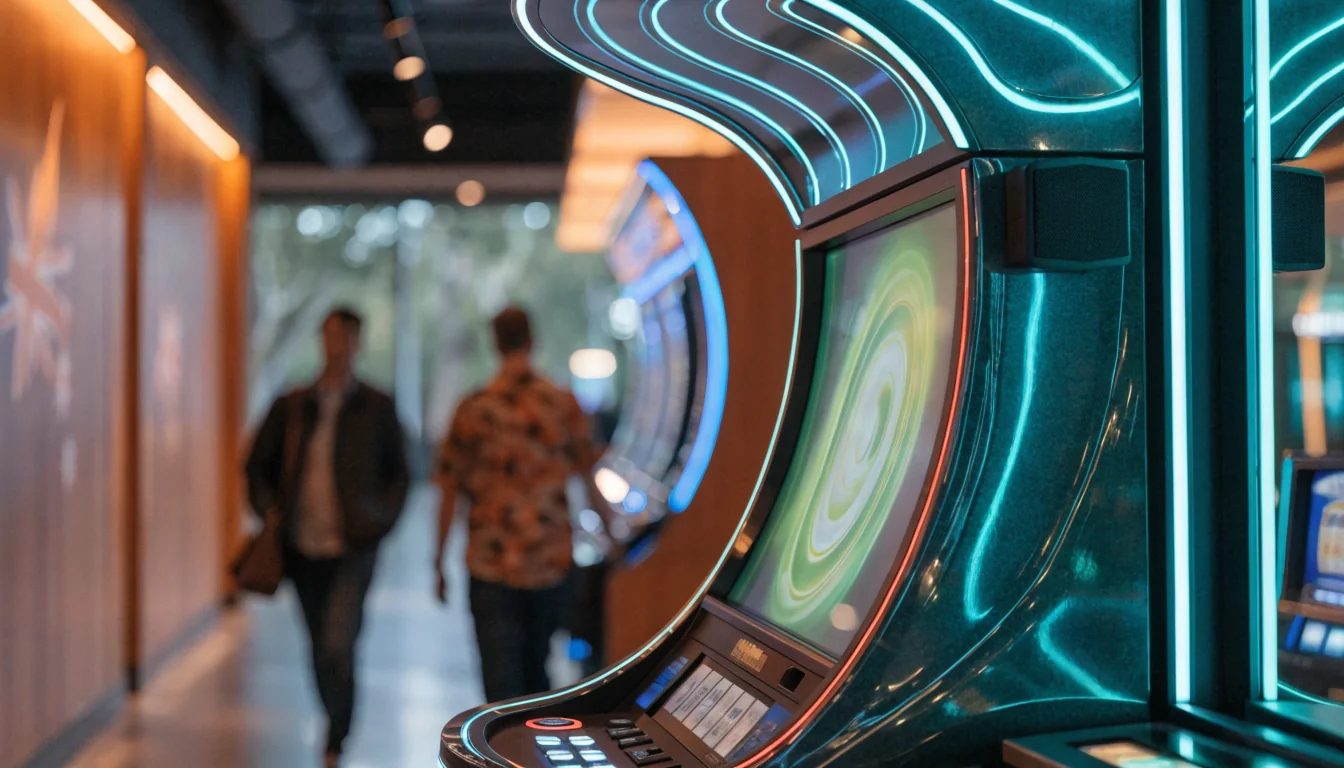
When you look for a pokie machine free option online, you are accessing a demo mode. The core purpose of these free games is straightforward: they allow you to learn how a game functions without putting any money on the line. Developers and platforms use these demos to showcase their pokie machine software, letting you experience the mechanics, the pacing, and the visual design before you ever commit to a real-money wager.
In a demo mode, the pokie machine reels operate identically to a real-money game in terms of visual presentation. You click to spin, the reels turn, and the symbols land on the screen. The game calculates wins and losses based on its programmed mathematics. However, the currency is entirely virtual. You start with a balance of mock credits, and when you run out, you simply reload the game to reset the balance. This creates a risk-free environment for you to test the software.
The Legal Distinction
There is a clear legal boundary between free demos and real-money play. The Interactive Gambling Act 2001 makes it an offence for online operators to offer real-money gambling to Australian residents. This law heavily restricts the provision of actual cash wagers over the internet. However, this legislation does not restrict free-to-play demos or social casino applications. Because no real money is wagered and no tangible prize can be won, these games do not fall under the definition of regulated gambling.
This legal distinction is exactly why you can access a pokie machine for play online without encountering the same barriers as real-money wagering. The platform offering the game is not facilitating a gambling transaction; it is providing entertainment software. As a result, the regulatory framework that applies to licensed physical venues and permitted betting services does not apply to these demos. You can play a free pokie machine without triggering the compliance requirements that physical operators face, because no actual bet is placed.
Exploring Mechanics Without Financial Risk
Free demos give you the space to understand specific game elements. You can review the pokie machine themes and see how they translate into bonus rounds, symbol behaviours, and payline structures. You can also test various pokie machine strategies. While no strategy can alter the underlying random number generation that dictates the outcomes, demos allow you to practice different betting patterns—such as adjusting wager sizes or testing the frequency of bonus triggers—without financial consequence.
This is distinctly different from real play, where every spin costs you money and the outcomes directly impact your bank balance. In physical venues, when you gamble for real money, any winnings you receive are yours to keep. Gamblers’ winnings in Australia are not taxed, meaning the money you walk away with is completely yours, but the risk of loss is immediate and permanent. In a free game, the loss of virtual credits carries no real-world weight, making it an entirely different experience in terms of emotional and financial impact.
Why Regulations Do Not Apply to Demos
The absence of real-money transfers removes the conditions that require strict regulatory oversight. In a real-money environment—whether online where it is prohibited for residents, or in a physical venue where it is permitted—regulators focus on the flow of money, the fairness of the software, and the prevention of financial crime. Because a pokie machine free play option does not involve deposits, cash-outs, or actual prizes, it lacks the financial infrastructure that necessitates oversight.
When you play free pokie machine games, you do not need to verify your identity, provide banking details, or interact with licensed operators in a regulatory capacity. The environment is purely for simulation. If you see a pokie machine for sale, the transaction involves buying the hardware or software itself, not offering a gambling service to the public. The software in a free mode is locked into a demonstration state, preventing the integration of real-money payment gateways. This structural separation ensures that demo modes remain purely recreational from a compliance perspective.
Free demos safe
Free demo versions let you learn pokie mechanics without any financial risk.
Understanding this difference helps you recognise what you are interacting with online. A free demo is a tool for familiarisation. It cannot prepare you for the psychological reality of losing actual funds, but it does explain the rules and features of the specific software in front of you.
Physical Pokie Machines: Types, Locations, and Player Experience
When you walk into an Australian venue, the physical pokie machine is a distinct piece of hardware. These electronic gaming machines are operated in all Australian states, the Australian Capital Territory, and the Northern Territory. Unlike software applications or digital interfaces, physical machines occupy physical space, require cash handling infrastructure, and dictate the player experience through their dedicated hardware formats.
Venue Locations and Accessibility
You will encounter physical pokies in three primary environments: pubs, clubs, and casinos. Pokies are widely used across these venues, but the atmosphere and machine availability shift depending on where you are.
Pubs and clubs represent the most accessible format for the general public. Venues dedicate specific rooms or designated gaming areas to house these machines. In a local club or pub, the environment is deeply integrated into the social fabric of the venue. You sit at a physical terminal, often in a dedicated lounge with specific lighting designed to draw attention to the screens.
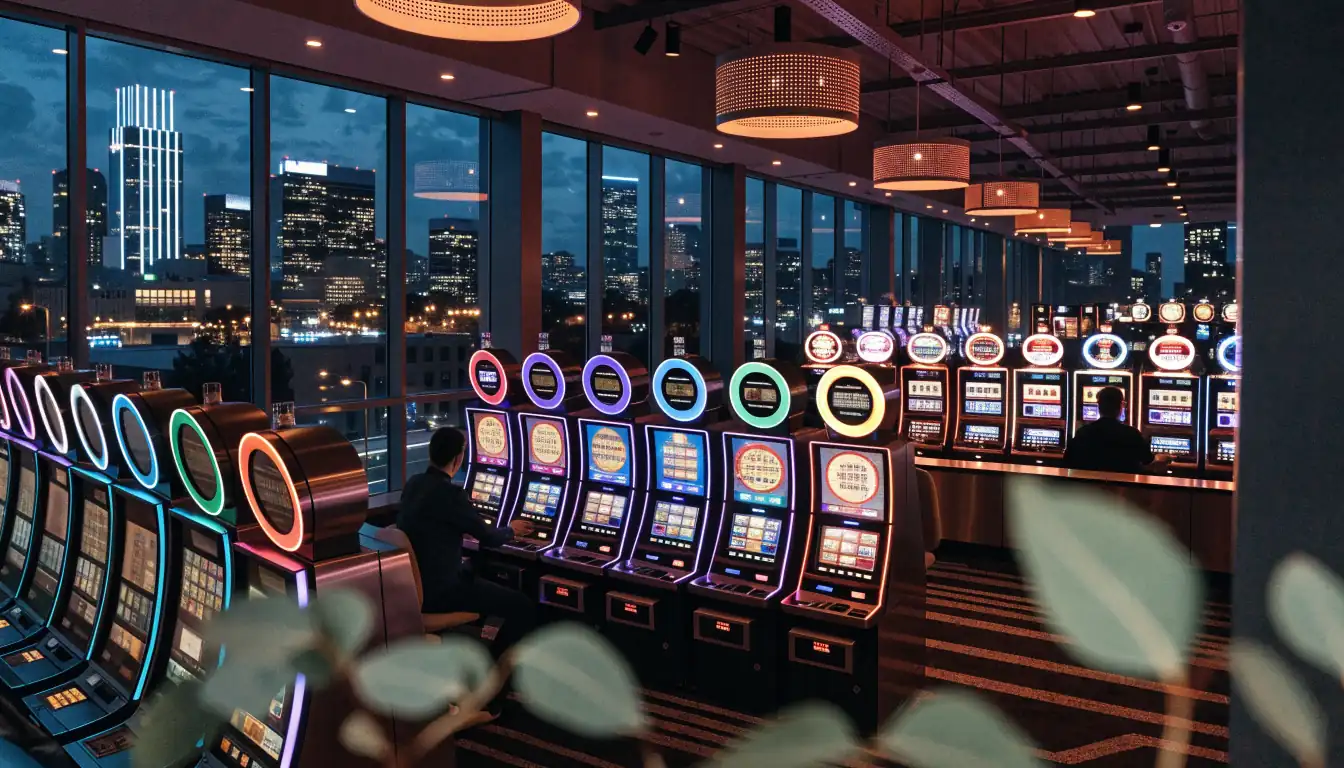
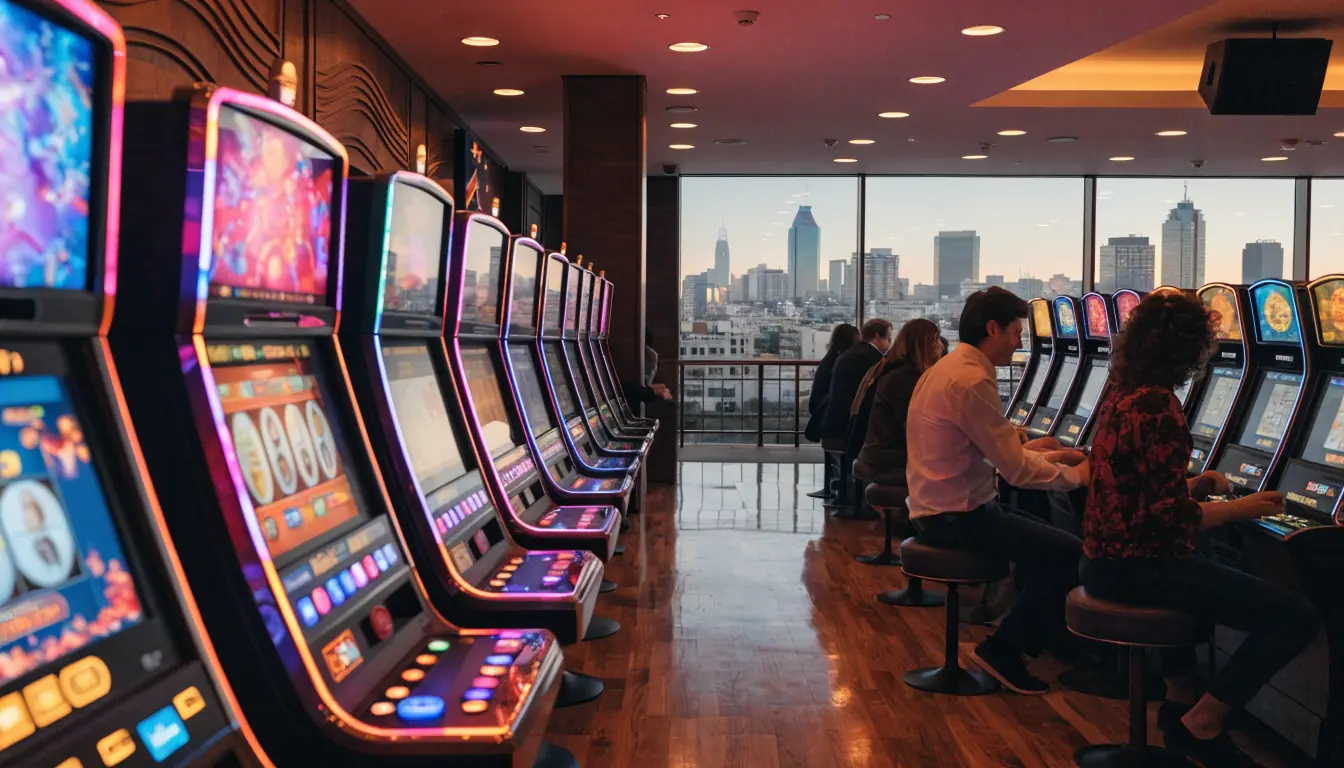
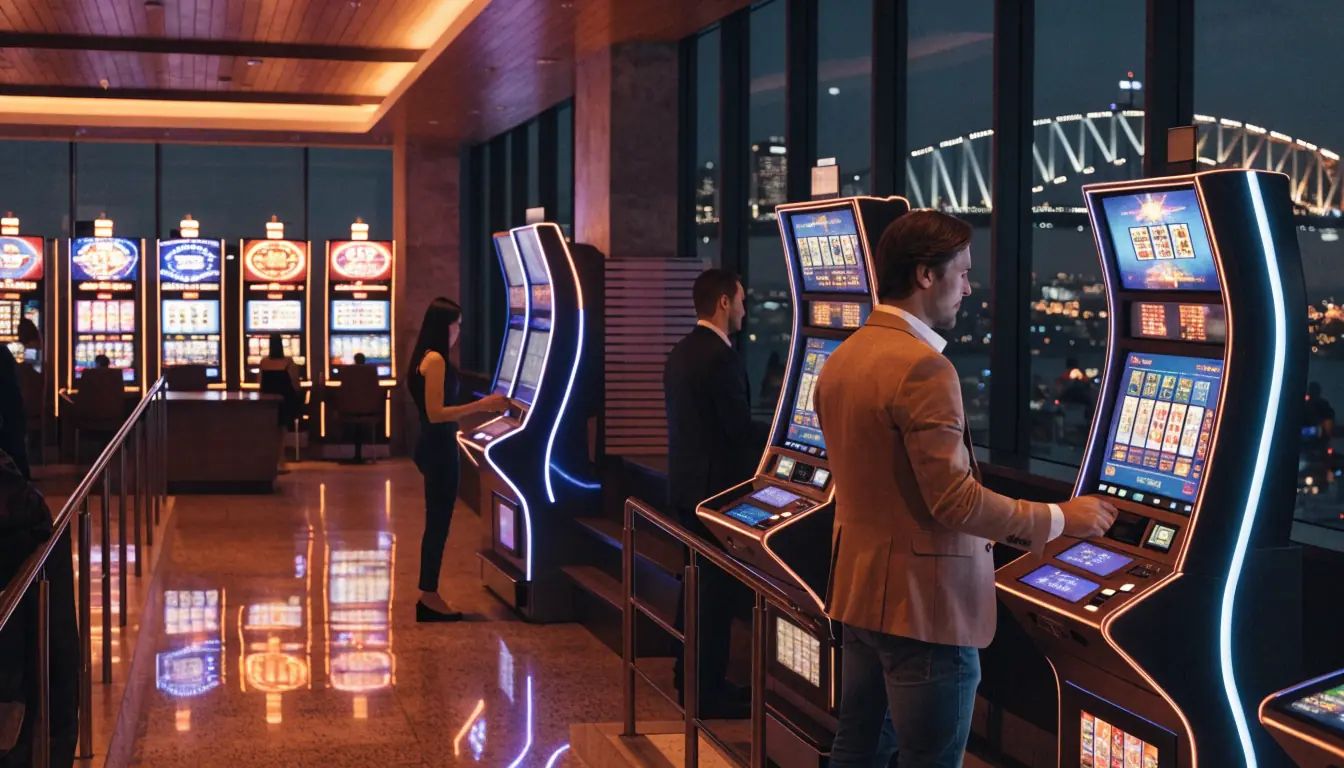
Casinos provide a different setting. When you look for casino pokie machines, you enter vast floors filled with rows of hardware. Casinos often house larger volumes of machines compared to individual pubs, providing a higher density of options in a single room.
Hardware Formats
Physical electronic gaming machines come in several distinct hardware configurations. You interact with the machine using physical buttons, ticket printers, and card readers, creating a tactile experience that differs entirely from tapping a screen on a personal device.
Stand-Alone Upright Cabinets The traditional upright cabinet is the most common hardware format in Australian pubs and clubs. You sit or stand in front of a vertical screen housed in a hard shell. These cabinets feature physical buttons for placing bets, adjusting lines, and starting the game.
Slant-Top Machines Slant-top machines feature an angled screen and a lower deck. This format allows you to rest your arms comfortably on the deck while playing. You will often find slant-top cabinets in areas where venues encourage extended sit-down sessions, as the ergonomic design reduces physical fatigue.
Multi-Terminal Configurations Some cabinets house multiple games within a single physical unit or feature linked screens. These configurations allow you to select from a menu of games without changing machines. While the physical hardware remains stationary, the digital interface switches to accommodate different software offerings.
Progressive Pokie Machines A progressive pokie machine links multiple physical cabinets together to form a single network. When you play pokie machines connected to this network, a portion of your wager feeds a shared jackpot. You can identify these physical machines by the overhead digital displays that show the constantly accumulating jackpot total. You will find these progressive configurations scattered across pub and club floors.
The Physical Player Experience
Playing a physical machine involves a specific set of steps and limitations tied directly to the hardware. When you decide to play a pokie machine in Australia, you must interact with the physical components.
Historically, players inserted physical banknotes into a bill acceptor to begin a session. Modern machines increasingly rely on ticket-in, ticket-out technology, where you insert a printed voucher to load credit and press a button to print a ticket when you cash out. The physical act of feeding currency or a ticket into a machine grounds the experience in the physical space of the venue.
Sound and lighting remain integral to the physical hardware. Each cabinet contains internal speakers and localized lighting arrays that trigger during specific outcomes. Because you sit directly at the machine, the audio environment is localized and distinct from the general noise of the venue.
Ticket‑in, ticket‑out
A system where players insert a printed voucher to load credit onto a pokie machine and receive a ticket when cashing out, replacing cash handling.
Hardware Acquisition and Pricing
Individuals sometimes look for a pokies machine for sale to acquire hardware for private use. However, the path to acquiring a physical pokie machine involves specific regulations depending on the state or territory. The pokie machine price varies drastically depending on the age of the hardware, the internal software, and the condition of the cabinet. Venues purchase these machines directly from manufacturers under strict state regulatory frameworks.
Player Loss in Physical Venues
When you engage with physical hardware in these environments, the scale of financial impact is substantial. In the financial year 2020-2021, the total player loss from electronic gaming machines was about AUD 12 billion. Because these machines operate under specific regulatory conditions in physical locations, the per-capita losses from electronic gaming machines in FY 2020-2021 were AUD 608.
The physical environment makes the monetary impact highly tangible. When you cash out a ticket from a physical machine at a venue cashier or redemption kiosk, the transaction occurs immediately in the room. You receive your funds in the physical venue, separating the experience entirely from the abstract nature of online platforms. Every action you take happens on dedicated hardware designed specifically for that pub, club, or casino floor.
Pokie Odds and Return‑to‑Player (RTP): What the Numbers Mean
When you sit down at an electronic gaming machine, the odds are structured by design. Every spin is governed by a random number generator, meaning the outcome of one spin does not influence the next. The most common metric used to describe these odds is the Return‑to‑Player (RTP) percentage. RTP represents the proportion of total wagered money that a machine will pay back to players over an extended and highly significant number of spins.
It is vital to understand that RTP is a long‑term mathematical average. If a machine has a specific RTP, it does not guarantee you will see a proportional return during a single session. Because individual sessions are relatively short, your actual returns can vary widely, sitting well above or far below the statistical average. A short winning streak does not alter the underlying mathematical parameters of the machine, and a long losing streak is equally subject to the built‑in house edge.
The mathematical advantage held by the venue ensures that, over time, the machine retains a percentage of all money wagered. The scale of this retention becomes clear when you look at verified national expenditure. In the financial year 2020‑2021, the total player loss from electronic gaming machines across the country was about AUD 12 billion. This figure represents the collective margin retained by the venues after all payouts were made, giving you a realistic sense of how effectively the odds function on a macro scale.
Breaking that national loss down provides an even starker perspective on what the odds mean for individual participants. In FY 2020‑2021, per‑capita losses from electronic gaming machines were AUD 608. This figure translates the aggregate mathematical advantage of the machines directly into the average amount lost per person. It reflects the practical reality of the house edge: no matter the immediate fluctuations of a single session, the mathematical structure of the game is designed to consistently draw down the funds deposited into it over sustained periods of play.
The sheer volume of these machines contributes to the scale of these losses, though exact global distribution figures vary. Sources diverge on Australia’s share of the global inventory; one figure indicates that Australia accounts for 3% of the world’s pub and club poker machines, while another suggests the country accounts for about 18% of the world’s poker machines.
Regardless of which figure you look at, the operational reality remains unchanged. The per‑capita expenditure of AUD 608 demonstrates the efficiency of the built‑in mathematical advantage. Understanding these odds helps you recognise that the structure of the game is inherently weighted against long‑term retention of your bankroll.
Common Pokie Game Themes and Their Popularity
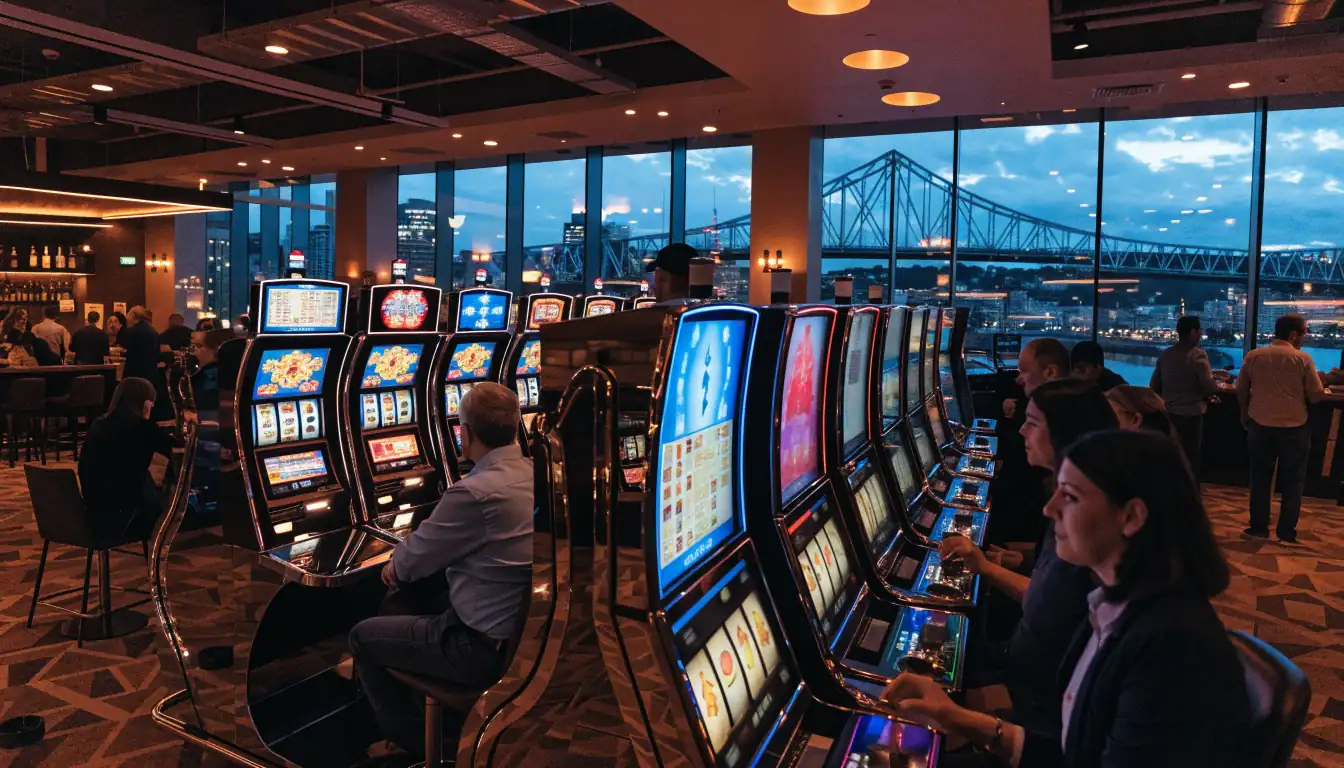
When you walk into an Australian pub, club, or casino, the first thing you notice is the visual and auditory wall of electronic gaming machines. Pokies are widely used in these venues, drawing players in through instantly recognisable visual styles. While the hardware remains consistent, the software themes vary wildly to capture different interests.
Theme styles generally fall into several broad categories. Ancient civilisations and mythology remain heavily featured, utilising familiar symbols and narratives. Similarly, animal and wildlife themes draw heavily on local and international fauna, creating an immediate visual connection. Adventure and exploration narratives, alongside classic fruit symbols, provide traditional formats that long-term players find familiar.
Games themed around gods, legends and historical civilizations, using symbols like gods and artifacts.
Slots featuring local and exotic animals, creating a visual link to nature.
Titles that take players on journeys through quests, treasure hunts and exploration settings.
Traditional fruit symbols such as cherries and lemons, recalling the original slot machine designs.
The exact names of specific pokie machine games are not listed here, as verified data directly linking individual titles to their specific thematic attributes is not publicly available. Official sources do not publish a verified breakdown of which specific titles operate in Australia or their individual theme metrics. Therefore, relying on specific names without confirmed data would be misleading.
However, the scale of engagement is measurable. According to complyadvantage.com, pokies generated AUD 191.2 billion in gambling turnover in 2023. This massive financial movement highlights the broad appeal these thematic styles have across the country.
Australia’s share of the global market is also notable, though figures vary. Sources differ on the exact proportion: one version indicates that Australia accounts for 3% of the world’s pub and club poker machines, while another suggests Australia accounts for about 18% of the world’s poker machines. This discrepancy exists in the available data, but both figures indicate a substantial presence on a global scale.
Whether you encounter real pokie machine games in a venue or try free pokie machine games online, the themes serve as the primary entry point. They transform a basic electronic wager into a themed experience, driving the high turnover seen across Australian venues.
Pokie Apps, APIs and Third‑Party Platforms: Current Landscape
When you look for a pokie machine app on your phone or tablet, the technical infrastructure behind that software matters just as much as the screen you tap. Developers rely on application programming interfaces to connect the spinning reels, the accounting systems, and the regulatory reporting tools. While you might search for the best pokie machine app to pass the time, the platforms delivering these experiences operate under strict compliance frameworks dictated by Australian law.
For domestically available applications, the Interactive Gambling Act 2001 makes it an offence for online operators to offer real-money gambling to Australian residents. This means any application legally accessible to you within Australia cannot provide real-money casino gameplay over the internet. Instead, the apps available through legitimate local channels are restricted to free-play formats or account-management utilities for land-based venues.
Behind the scenes, the APIs integrating these platforms with venue management systems must handle sensitive data. Financial institutions and anti-money laundering regulators pay close attention to how these systems function. In 2024, AUSTRAC issued a guide to help firms recognise money-laundering red flags associated with electronic gaming. The technical architecture of any compliant platform must facilitate these reporting requirements.
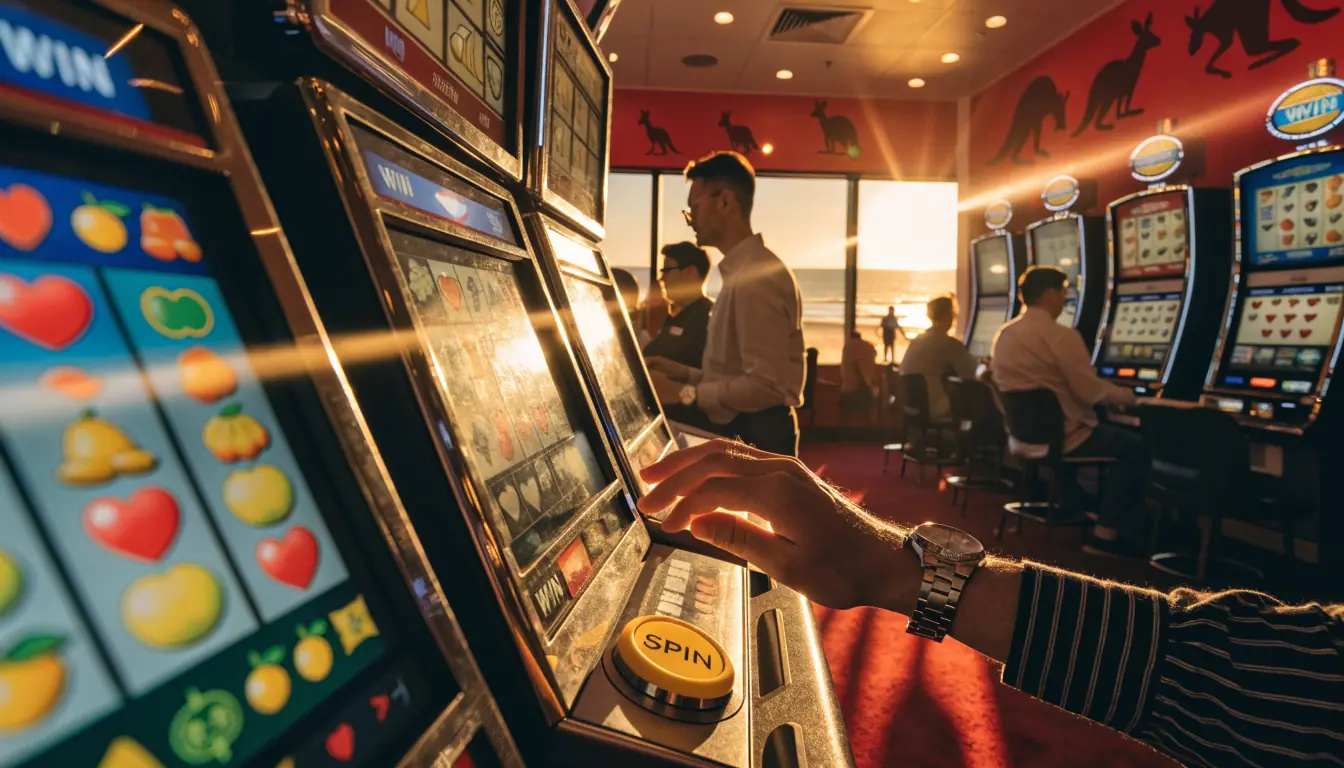
For physical venues, the compliance burden is directly tied to the pokie machine cost and the scale of the hardware deployment. Operators with up to 15 pokies must register with AUSTRAC, keep identification records, and submit suspicious matter reports. The APIs governing these machines must automatically track cash insertions, flag unusual transaction patterns, and log data for auditing purposes.
If a platform fails to properly integrate these reporting tools, the venue risks severe penalties. Non-compliant operators may face remedial directions, infringement notices, and civil fines. You will not find a locally licensed, real-money app offering a pokie machine jackpot in Australia, because the regulatory environment prohibits domestic online casino services entirely. Any application promising cash prizes operates outside the local legal framework.
Third-party platform providers building APIs for the Australian market must therefore prioritise geofencing and location verification to prevent unlawfully offering real-money services. They must also ensure their software accommodates state-specific reporting thresholds and national anti-money laundering protocols. When you download an app or use a venue’s digital interface, the underlying technology is designed first for regulatory adherence and second for user experience.
Practical Tips to Maximise RTP and Manage Your Bankroll
When you sit down at a pokie machine, keeping a clear head protects your budget better than any strategy. The house edge is built into the mathematics of the game, so no sequence of button presses changes the outcome. What you can control is how much you spend and how long your money lasts.
These practical tips will help you manage your bankroll effectively:
- Set a firm limit: Decide exactly how much you can afford to lose before you start, and treat that amount as the cost of your entertainment.
- Track your spending: The per-capita loss from electronic gaming machines was AUD 608 in FY 2020-2021. Use that scale as a reality check for your own play.
- Understand the odds: The total player loss across Australia was about AUD 12 billion in FY 2020-2021. The machines are designed to retain a portion of all funds inserted.
- Slow your pace: Your money lasts longer when you take breaks between spins rather than playing continuously.
- Stop chasing losses: Accepting a loss today prevents a much larger financial problem tomorrow.
If you feel your spending is slipping out of control, contact BetStop or Gambling Help Online for immediate, confidential support.
What law governs online gambling in Australia?
The Interactive Gambling Act (2001) governs the sector, making it an offence for online operators to offer real-money gambling to Australian residents.
How do criminals launder money through pokies?
They insert large sums of cash into machines, perform minimal gambling, and immediately cash out to create a false record of winnings. They also purchase winning tickets from other players or spread smaller cash deposits across different venues to avoid reporting thresholds.
What are the red flags for pokies-related money laundering?
Unusually high cash access, large or repeated cash insertions followed by minimal play and immediate cash-out, frequent small redemptions across different venues, and customers refusing identification or using multiple player cards.
Written by the editors at Casino Live Portal.