Best Pokies in New South Wales: NSW Rules Explained
 Available in US
What are pokies and how they shape the NSW gambling landscape
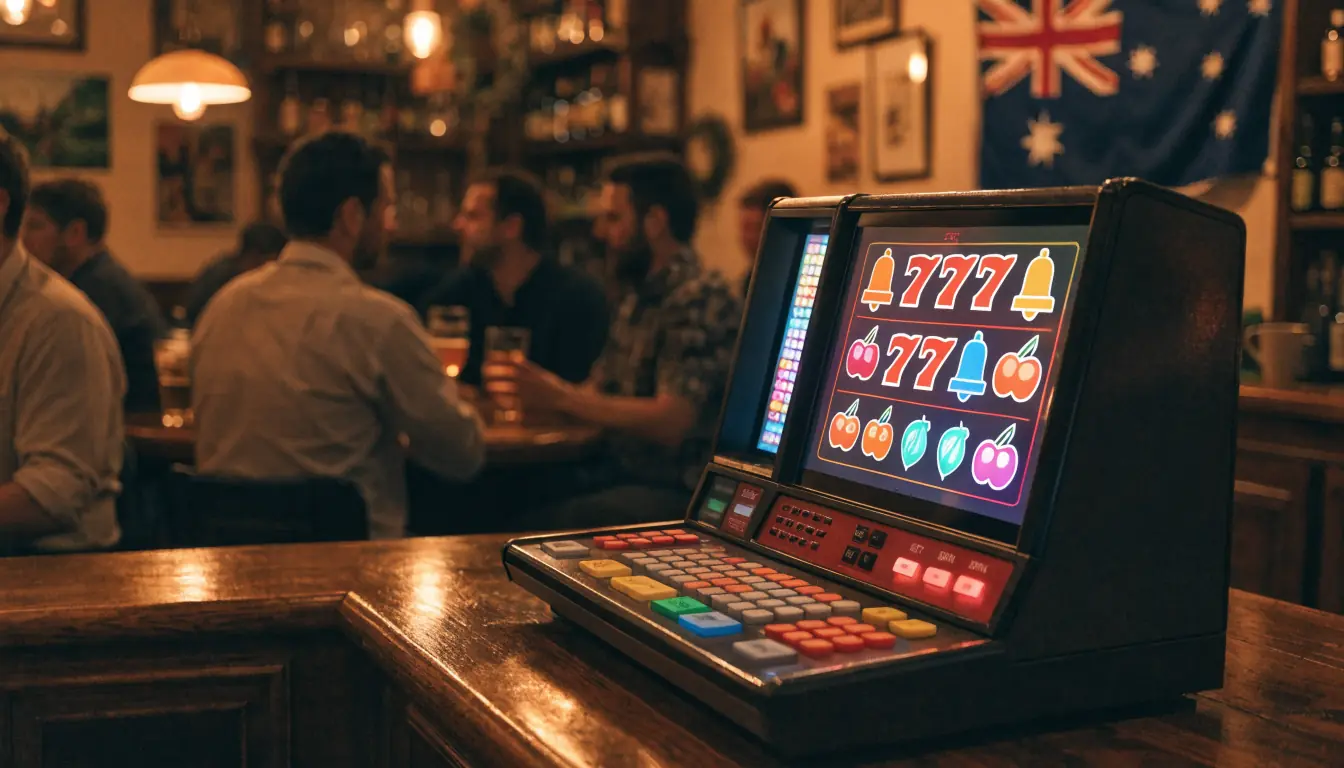
When you walk into a pub or a registered club in New South Wales, the sound is unmistakable. A rhythmic chorus of electronic tones, spinning reels, and occasional alerts fills the room. These are pokies, the local term for electronic gaming machines, and they are deeply embedded in the social and economic fabric of the state. You see them in dedicated rooms inside hotels, registered clubs, and casinos, operating under the regulatory framework of the NSW state government.
Understanding what these machines are, how they function within the local economy, and how they are regulated is essential for anyone engaging with the NSW gambling landscape. The environment is heavily structured, shaped by state-level legislation and national financial crime regulations.
The mechanics and prevalence of electronic gaming machines
Pokies, or electronic gaming machines, are designed to accept bets, spin virtual or mechanical reels, and payout winnings based on specific combinations. You interact with a machine by inserting cash, or in some modern cases, by tapping a linked digital account, selecting a bet size, and initiating play. The outcome of each spin is determined by a random number generator, ensuring that every play is an independent event.
Before you pick where to spin the reels in NSW, it helps to know how each site’s licensing, welcome offer and payout terms actually stack up so you’re not left guessing.
License: Curacao Gaming Control Board OGL/2023/176/0095 (Hollycorn N.V.) · Bonus: up to A$1,500 + 200 free spins across 3 deposits Holds a Curacao Gaming Control Board licence issued to Hollycorn N.V., and backs it up with a welcome package worth up to A$1,500 plus 200 free spins spread across three deposits.
Bonus: up to A$750 + 50 jackpot spins, 35x wagering · Payout speed: crypto ~90 minutes, fiat 1-5 days · Min. deposit: A$30 Offers a welcome bonus of up to A$750 plus 50 jackpot spins with 35x wagering, and stands out for fast crypto payouts of around 90 minutes alongside fiat withdrawals of 1-5 days; the minimum deposit sits at A$30.
License: Curacao Gaming Authority (Jumpman Gaming Ltd) · Bonus: up to A$6,600 + up to 250 free spins across 4 deposits Licensed by the Curacao Gaming Authority under Jumpman Gaming Ltd, with a sizeable welcome offer of up to A$6,600 plus as much as 250 free spins across four deposits.
License: Curacao Gaming Control Board OGL/2023/174/0082 (Dama N.V.) · Bonus: up to A$5,000 + 300 free spins across 4 deposits Operates under a Curacao Gaming Control Board licence held by Dama N.V., pairing this with a welcome bonus of up to A$5,000 and 300 free spins spread over four deposits.
License: international iGaming licence – jurisdiction not named in the source · Bonus: 100% up to A$1,000 + 100 free spins, 35x wagering · Payout speed: PayID 1-24 hours · Min. deposit: A$30 (PayID from A$10) Runs on an international iGaming licence, offers a 100% match up to A$1,000 plus 100 free spins with 35x wagering, and is notable for quick PayID withdrawals within 1-24 hours and a low minimum deposit via PayID.
License: Curacao · Bonus: up to A$10,000 multi-stage + 500 free spins · Min. deposit: A$20 (POLi) Licensed in Curacao, it features a multi-stage welcome bonus reaching up to A$10,000 plus 500 free spins, with a low minimum deposit available through POLi.
License: Curacao Gaming Control Board OGL/2023/176/0095 (Hollycorn N.V.) · Bonus: up to A$11,000 + 300 free spins (code NEO100) Carries a Curacao Gaming Control Board licence under Hollycorn N.V. and offers one of the larger welcome bonuses on this list, up to A$11,000 plus 300 free spins via a bonus code.
License: Curacao eGaming OGL/2024/923/0383 (Antillephone N.V.) · Bonus: up to A$2,000 + 100 free spins across 2 deposits · Min. deposit: A$30 Licensed through Curacao eGaming under Antillephone N.V., it provides a welcome bonus of up to A$2,000 plus 100 free spins across two deposits, with a minimum deposit of A$30.
License: Curacao eGaming (Dama N.V.) · Bonus: up to A$10,000 + 180 free spins, 40x wagering Holds a Curacao eGaming licence via Dama N.V. and offers a substantial welcome bonus of up to A$10,000 plus 180 free spins, though wagering requirements sit at 40x.
License: Curacao – Antillephone N.V. (Versus Odds B.V.) · Bonus: up to EUR 2,000 across 5 deposits + 200 free spins · Min. deposit: EUR 20 Licensed in Curacao under Antillephone N.V. (Versus Odds B.V.), with a welcome bonus spread across five deposits totalling up to EUR 2,000 plus 200 free spins, and a EUR 20 minimum deposit.
These machines are not exclusive to New South Wales. Electronic gaming machines are operated in all Australian states, the Australian Capital Territory, and the Northern Territory. Across the country, pokies are widely used in Australian pubs, clubs, and casinos. In NSW specifically, the presence of these machines is particularly concentrated, with thousands of venues licensed to operate them. You will find them in suburban RSL clubs, local pubs, and large-scale entertainment complexes.
Economic turnover and player losses
The scale of financial activity surrounding electronic gaming machines in Australia is immense. To understand the environment you are participating in when you play a pokie in NSW, it helps to look at the national financial data.
In the financial year 2020-2021, Australians placed bets worth almost AUD 150 billion on electronic gaming machines. This staggering figure represents the total turnover, meaning every dollar that was cycled through the machines, including winnings that were re-wagered. Because players typically recycle their winnings back into the machines, the actual amount of money retained by the operators, known as player loss, is significantly lower. In that same financial year, the total player loss from electronic gaming machines was about AUD 12 billion.
When you break that down to an individual level, the per-capita losses from electronic gaming machines in FY 2020-2021 were AUD 608. This means that, on average, every person in Australia lost over six hundred dollars to these machines over the course of the year.
The financial turnover continued to climb in subsequent years. According to complyadvantage.com, pokies generated AUD 191.2 billion in gambling turnover in 2023. It is important to recognize that turnover represents the total volume of wagers placed, not the amount of money permanently lost by players, as it includes the continuous reinvestment of funds.
Global context and the Australian market share
When examining the scale of the NSW and broader Australian pokie market, looking at global figures provides necessary context. However, sources sometimes present conflicting data regarding Australia’s share of the world’s poker machines.

Some sources indicate that Australia accounts for 3% of the world’s pub and club poker machines. However, other sources report a significantly higher figure, stating that Australia accounts for about 18% of the world’s poker machines. This discrepancy highlights the difficulty in obtaining a single, unified global census of gaming machines, but both figures confirm that Australia holds a substantial share of the global market.
The regulatory framework in NSW
The operation of pokies in NSW is governed by a strict set of regulations designed to ensure that the games are conducted fairly and that the venues operate within the bounds of the law. The state government dictates where machines can be located, how many a venue can operate, and the operating hours.
A critical piece of legislation governing the casino sector is the Casino Control Act 1992. Recent amendments to this act have increased the potential penalties for operators who fail to comply with regulatory standards. An amendment to the Casino Control Act 1992 allows NSW casino operators to be fined up to AUD 100 million for compliance failures. This reflects a regulatory shift toward holding operators accountable for severe breaches of trust and procedural failures, ensuring that the financial consequences of non-compliance are significant enough to deter negligence.
Financial crime risks and money laundering vulnerabilities
Beyond the economic impact on players, the structural nature of pokies creates vulnerabilities that criminals exploit. The high volume of cash transactions and the limited traceability of pokies make them attractive for money laundering. Criminals use the anonymity provided by cash-based gaming to obscure the origins of illicit funds, effectively integrating dirty money into the legitimate economy through casino payouts or venue bank deposits.
The NSW Crime Commission and the Australian Institute of Criminology have identified several methods that offenders use to launder money through pokies. Understanding these methods is vital for recognizing the environment in which you are playing and the reasons behind strict identification and transaction protocols.
Insert large cash, play minimally, and cash out to create false winnings record.
Buy winning tickets from other players to convert dirty money into clean, traceable funds.
Spread smaller cash deposits across multiple venues to stay below AML reporting thresholds.
Methods of laundering money through pokies
- Minimal play and cash-out: Criminals insert large sums of cash into EGMs, perform minimal gambling activity, and cash out to create a false record of winnings. By playing only a fraction of the inserted amount and immediately withdrawing the remainder, they generate a receipt that makes the funds appear as gambling proceeds.
- Purchasing winning tickets: Offenders purchase winning tickets from other players to convert dirty money into clean, traceable funds. They approach individuals who have won, offer them cash for their winning ticket, and then present that ticket to the venue for a clean, documented payout.
- Structuring across venues: Structuring across venues involves spreading smaller cash deposits across different venues to avoid AML reporting thresholds. Instead of inserting a large, suspicious amount into a single machine, a criminal will visit multiple venues, depositing smaller amounts in each to remain under the radar of regulatory reporting requirements.
Red-flag indicators
To combat these activities, regulators monitor venues and transactions for specific red flags. AUSTRAC, the primary financial intelligence agency in Australia, issued a guide in 2024 to help firms recognize money-laundering red flags. If you observe these behaviors at a venue, they are indicative of broader regulatory scrutiny and anti-money laundering (AML/CFT) protocols in action.
The red-flag indicators include unusually high cash access, large deposits, cash transfers, casino disbursement checks, and certain occupations. In the context of pokies specifically, the following behaviors are monitored:
- Large or repeated cash insertions followed by minimal play and immediate cash-out.
- Frequent small redemptions across different venues within a short period.
- Customers refusing identification or using multiple player cards.
AML/CFT obligations for pokie operators
Because of the money laundering risks associated with pokies, venues that operate these machines are subject to strict anti-money laundering and countering the financing of terrorism (AML/CFT) regulations. The requirements placed on an operator depend on the scale of their operations.
Operators with up to 15 pokies must register with AUSTRAC, keep identification records, and submit suspicious matter reports.
Operators with more than 15 pokies face more rigorous requirements. They must appoint a compliance officer, conduct risk assessments, implement AML/CFT programs, perform customer due diligence, and report cash transactions over AUD 10,000.
Failure to adhere to these regulations carries severe consequences. Non-compliant operators may receive remedial directions, infringement notices, civil fines, and suffer reputational damage. For you as a player, this is why you may be asked for identification when collecting large winnings or when performing certain transactions at a venue. It is a legal requirement aimed at preventing the venue from being used as a conduit for illicit funds.
The shift toward cashless gaming
The vulnerabilities associated with cash-based pokies have led to regulatory discussions about reforming how money is fed into the machines. A significant point of discussion in NSW is the transition toward cashless systems.
The 2022 NSW Islington Report recommended making all NSW pokies cashless by the end of 2028. This recommendation aims to address the root cause of money laundering by removing the anonymity of cash.
Adoption of cashless, account-based pokies improves traceability and reduces anonymity. Transparent, account-based pokies provide full traceability of deposits, gameplay, and withdrawals. When you use an account-based system, every dollar you insert, every bet you place, and every dollar you withdraw is logged to a specific, verified identity. This makes the structuring of funds and the use of multiple player cards significantly more difficult, as the system can flag unusual patterns across different venues and times.
Regulators recommend tighter customer due diligence, transaction monitoring, and the adoption of cashless gaming systems to mitigate the risks associated with pokies. While this shift changes the traditional experience of dropping coins into a machine, it represents a structural attempt to safeguard the integrity of the gambling environment and protect the community from financial crime.
Player taxation and the flow of funds
When discussing the economics of pokies, it is necessary to clarify how winnings are treated under Australian law. Gamblers’ winnings in Australia are not taxed. If you win money on a pokie in NSW, you are not required to pay income tax on those winnings.
Player winnings from pokies are not subject to income tax in Australia, but venue operators pay tax on the revenue generated by the machines.
However, the operators and the state are involved in a different financial arrangement. Taxation of gambling operators in Australia varies by state and by type of gambling service. In NSW, venues that operate pokies pay a tax on the revenue generated by the machines. This means that a portion of the money lost by players is directed to the state government, contributing to public revenue.
It is important to maintain a clear perspective on the distinction between turnover, player loss, and taxation. The turnover, the massive figures in the hundreds of billions, represents the volume of play. The player loss, the billions retained by the venues, is the actual cost to the gambling public. The state then collects a percentage of that loss.
The social reality of the NSW pokies landscape
The presence of pokies in NSW is a permanent feature of the local hospitality industry. You will find them in local pubs, large clubs, and casinos, operating under strict state laws and federal financial regulations. The machines themselves are simple to operate, but the infrastructure surrounding them is complex, designed to balance the provision of entertainment with the mitigation of financial crime.
When you engage with pokies in NSW, you are participating in a highly regulated economic ecosystem. The money you spend contributes to a national turnover of hundreds of billions of dollars, a portion of which is lost by players and taxed by the state. The environment is monitored for money laundering, requiring venues to implement strict identification and reporting protocols, particularly for large cash transactions.
As the regulatory landscape continues to evolve, with pushes toward cashless systems and stricter compliance measures, the way you interact with pokies may change. The underlying principles, however, remain constant: the odds are determined by random number generators, the house retains a percentage of the turnover, and the regulatory framework exists to ensure that the system operates fairly and transparently, free from exploitation by criminal elements.
The structure of pokies in NSW
To fully understand the NSW pokies landscape, you must look at the different environments where machines are located.
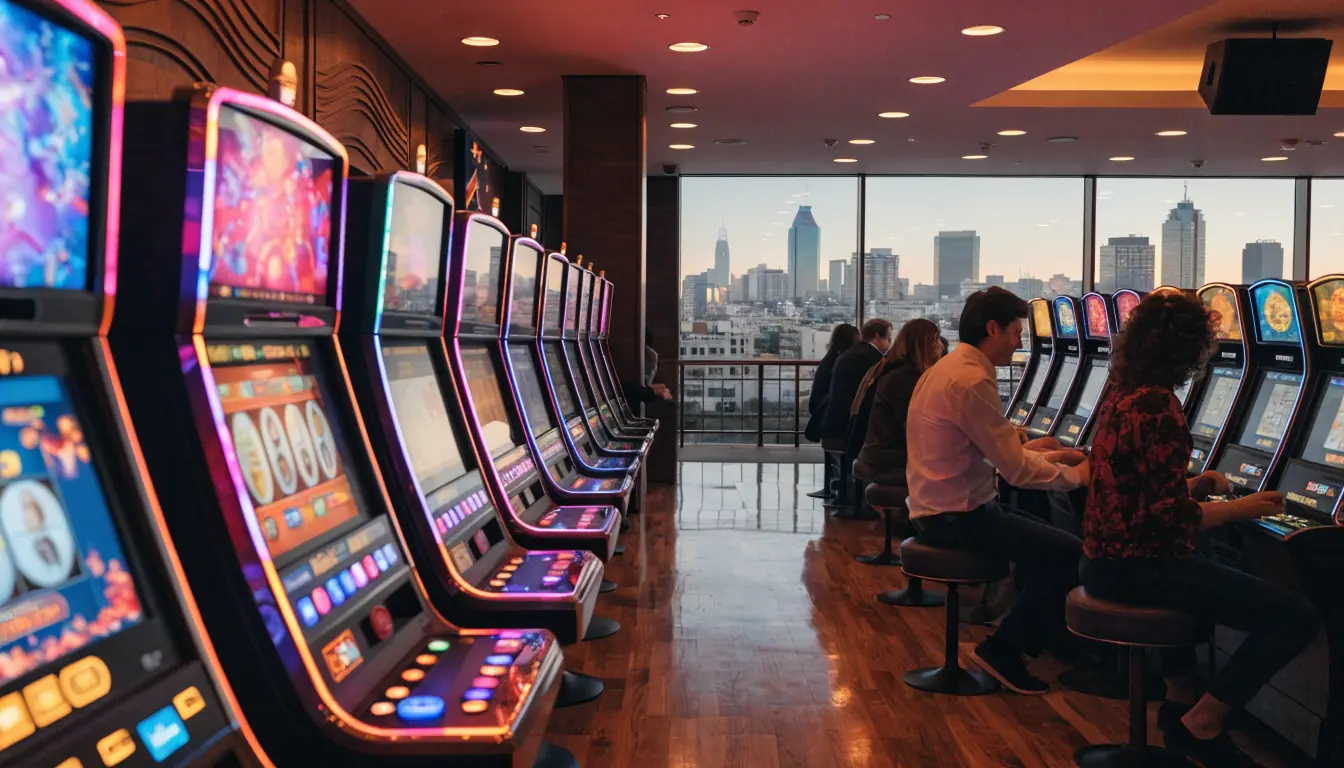
Pubs and Hotels Pokies in pubs and hotels are a staple of the local hospitality sector. You will often find a dedicated gaming room within the venue. These venues are subject to strict regulations regarding the number of machines they can operate, the hours they can be available, and the signage they must display regarding responsible gambling. The atmosphere is typically casual, with players dropping in for a drink and a few spins.
Registered Clubs Registered clubs, such as RSL (Returned and Services League) clubs and Leagues clubs, often operate a much larger number of pokies than pubs. These venues are member-based, though many allow visitors to sign in as temporary guests. The revenue generated by pokies in clubs is often reinvested into the club’s facilities and community programs. The scale of these venues means that their AML/CFT obligations are more rigorous, requiring dedicated compliance officers and comprehensive transaction monitoring systems.
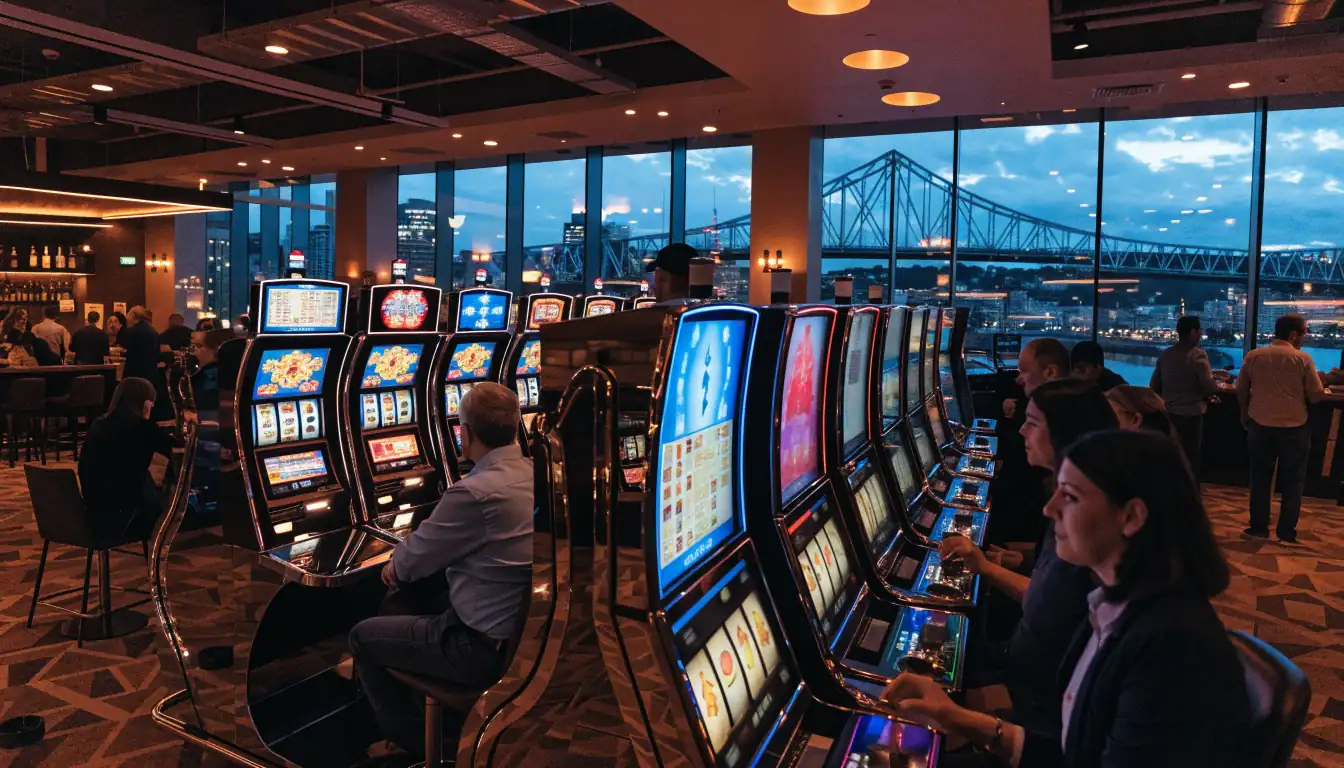
Casinos Casinos represent the most highly regulated tier of the pokie landscape. While pubs and clubs fall under state liquor and gaming authorities, casinos are subject to specific legislation like the Casino Control Act 1992. The recent amendments allowing for fines of up to AUD 100 million for compliance failures underscore the severity with which the state views casino operations. Casinos must adhere to the highest standards of customer due diligence and financial transparency.
The role of the community and harm minimization
While the economic and regulatory aspects of pokies are often discussed in terms of turnover and tax revenue, the social impact is a central concern for the NSW government. The regulation of pokies is not solely about preventing money laundering or ensuring fair play; it is also about harm minimization.
The Interactive Gambling Act 2001 is the primary Commonwealth law governing online gambling in Australia, introduced to protect the public with a focus on harm minimisation. While this act primarily addresses the online space, its underlying philosophy applies to the broader gambling culture. The state government manages land-based harm minimization through venue requirements, such as mandatory warning signs, self-exclusion programs, and limits on bet sizes.
Taxation overview
Player winnings are tax‑free, while operators’ revenue is taxed by the NSW government.
When you play pokies in NSW, you will see reminders to gamble responsibly and contact information for help services. The state requires venues to provide resources for individuals who may be struggling with their gambling habits.
Economic impact on local communities
The money that flows through pokies has a dual economic impact. On one hand, the taxation of gambling operators provides revenue for state initiatives. On the other hand, the player losses represent money taken out of the local economy.
In FY 2020-2021, the total player loss from electronic gaming machines was about AUD 12 billion. This figure represents money that was not spent on local businesses, services, or saved for the future. While some of this loss is recouped by the state through taxes, the net effect on the community is a reduction in disposable income.
The prevalence of pokies in lower socio-economic areas is a point of ongoing debate in NSW. Critics argue that the concentration of machines in these areas exacerbates financial hardship, while proponents of the industry argue that the venues provide jobs and community funding. Regardless of the perspective, the economic data confirms that the financial burden of pokies is borne by the players.
The future of the landscape
The NSW pokies landscape is not static. It is influenced by technological advancements, regulatory reforms, and shifting social attitudes.
The push toward cashless gaming, as recommended by the 2022 NSW Islington Report, represents a significant technological and regulatory shift. If all NSW pokies are made cashless by the end of 2028, the landscape will fundamentally change. The anonymity that currently facilitates money laundering will be diminished, and the traceability of funds will be vastly improved.
This shift will also affect the player experience. You will no longer be able to simply insert cash into a machine. Instead, you will need to link a digital account, verify your identity, and load funds electronically. While this may seem like an added hurdle, it is designed to protect both the community and the integrity of the gaming industry.
A clear picture of the NSW gambling landscape
Understanding the NSW pokies landscape requires looking beyond the flashing lights and the spinning reels. It involves recognizing the massive scale of the financial turnover, the billions lost by players, and the strict regulatory framework designed to prevent financial crime.

When you search for the best pokies in New South Wales, you are not just looking for a place to play. You are entering a highly regulated economic sector that operates under the scrutiny of state and federal authorities. The venues you visit, from local pubs to large casinos, are required to implement AML/CFT programs, monitor transactions, and report suspicious activity.
The landscape is shaped by the tension between the desire for entertainment and the need for regulation. As NSW moves toward a more transparent, cashless future, the way you interact with these machines will continue to evolve, reflecting a broader commitment to harm minimization and financial integrity.
The scale of operations in NSW
To grasp the full scope of the NSW pokies market, one must appreciate the sheer density of machines within the state. While electronic gaming machines are operated in all Australian states, the Australian Capital Territory, and the Northern Territory, NSW has historically maintained the highest concentration of pokies in the country.
This density means that you are never far from a venue. Whether you are in the heart of Sydney, the regional centers of Newcastle and Wollongong, or a rural town, pubs and clubs offering pokies are a common feature of the streetscape. The accessibility of these venues is a defining characteristic of the NSW landscape, contributing to the high national turnover figures.
The state government carefully controls the number of machines each venue can operate. This is managed through a licensing system and a state-wide cap on the total number of pokies. However, existing licenses can be traded and transferred between venues, creating a dynamic market for gaming entitlements.
How pokies function within the hospitality sector
In NSW, pokies are not standalone entities; they are integrated into the hospitality sector. The revenue generated by the machines is often used to subsidize other operations within a venue, such as food and beverage services. This cross-subsidization model means that the cheap steak dinner or the discounted drinks at a local club may be indirectly funded by the losses of pokie players.
Revenue dependence
The reliance of venues on pokie revenue makes them resistant to regulatory changes, potentially limiting future reforms.
This business model has significant implications for the industry. It creates a reliance on pokie revenue that makes venues resistant to regulatory changes that might impact their profitability. When you visit a venue, the layout is often designed to guide you past the gaming room, integrating the machines seamlessly into the hospitality experience.
The role of technology in modern pokies
Modern pokies are highly sophisticated pieces of equipment. The traditional mechanical reels have been largely replaced by digital screens that simulate the spinning motion. This allows for more complex game designs, multiple paylines, and intricate bonus features.
The technology also enables the networking of machines. This is crucial for the implementation of cashless systems and the monitoring required for AML/CFT compliance. When you play a modern pokie, your play is logged on a central server, allowing regulators and venue management to track turnover, identify patterns, and ensure that the machines are operating within the legal parameters.
The distinction between turnover and loss
A critical concept for understanding the economic impact of pokies is the distinction between turnover and player loss. Turnover is the total amount of money wagered, while player loss is the amount retained by the venue after payouts.
For example, if you insert AUD 100 into a machine, win AUD 50, and then re-wager that AUD 50, your total turnover is AUD 150, but your actual loss is only AUD 50. This compounding effect is why the national turnover figures, such as the almost AUD 150 billion placed in FY 2020-2021, are so much larger than the total player loss of about AUD 12 billion.
When you see reports of pokie revenue, it is essential to identify which figure is being cited. The turnover figure represents the volume of play, while the loss figure represents the actual cost to the community. Both are significant, but they tell different parts of the story.
The burden of per-capita losses
The per-capita losses from electronic gaming machines in FY 2020-2021 were AUD 608. This figure provides a stark illustration of the financial burden placed on the Australian public by these machines.

When you consider that this is an average, it implies that many individuals lose significantly more, while others lose nothing at all. The distribution of losses is uneven, with a significant proportion of the total loss being generated by a small percentage of players who exhibit signs of problem gambling. This concentration of harm is a primary driver behind the regulatory push for harm minimization and the adoption of cashless systems that can track and intervene in problematic play patterns.
Navigating the regulatory environment
For a player, the regulatory environment manifests in the rules and procedures you encounter at a venue. You must be 18 years of age or older to access the site. You may be asked for identification when entering a gaming room, collecting a large payout, or when a venue suspects that you may be self-excluded.
These requirements are not merely venue policies; they are legal obligations. The minimum legal gambling age in Australia is 18, and venues face severe penalties for allowing minors to gamble. Similarly, the AML/CFT requirements mandate that operators verify the identity of individuals conducting certain transactions to prevent money laundering.
The integration of AML/CFT protocols
The integration of AML/CFT protocols into the day-to-day operation of pokies is a complex task for venues. Operators with up to 15 pokies must register with AUSTRAC, keep identification records, and submit suspicious matter reports. For larger venues, the requirements are significantly more demanding. Operators with more than 15 pokies must appoint a compliance officer, conduct risk assessments, implement AML/CFT programs, perform customer due diligence, and report cash transactions over AUD 10,000.
This means that when you are playing at a large club in NSW, there is a dedicated compliance officer responsible for monitoring the transactions on the floor. If you insert a large amount of cash, cash out with a significant sum, or engage in behavior that matches a red-flag indicator, your activity may be reviewed and reported to AUSTRAC.
Register with AUSTRAC, keep ID records, and submit suspicious matter reports.
Appoint a compliance officer, conduct risk assessments, implement AML/CFT programs, perform customer due diligence, and report cash transactions over AUD 10,000.
The consequences of non-compliance
The consequences of non-compliance for venues are severe, reflecting the seriousness with which the government views financial crime. Non-compliant operators may receive remedial directions, infringement notices, civil fines, and suffer reputational damage.
The amendment to the Casino Control Act 1992, allowing NSW casino operators to be fined up to AUD 100 million for compliance failures, is a clear message that large-scale operators are expected to maintain the highest standards of integrity. These fines are not just a cost of doing business; they are designed to be a significant deterrent against systemic failures.
Understanding the attraction for criminals
To understand why pokies are so heavily regulated, you have to understand why they are attractive to criminals. The core issue is the combination of high cash volume and limited traceability.
When you play a pokie with cash, the origin of that money is obscured. A criminal can take illicit cash, insert it into a machine, and receive a receipt for "winnings." This receipt provides a veneer of legitimacy to the funds, making it appear as though the money was earned through gambling rather than criminal activity.
The structuring of deposits across multiple venues exploits the reporting thresholds. By spreading smaller cash deposits across different venues to avoid AML reporting thresholds, criminals can launder large sums without triggering a single report. The practice of purchasing winning tickets from other players is another method to convert dirty money into clean, traceable funds, exploiting the willingness of some players to take a discount on their winnings in exchange for immediate cash.
The role of money mules
The recruitment of money mules is another layer in the money laundering landscape. Money mules are recruited to launder money through pokies. These individuals are paid to insert cash into machines, play minimally, and cash out, effectively acting as a conduit for the criminal’s funds. The mules take on the legal risk, while the organizers remain hidden.
This practice is a key reason why venues are required to monitor for customers using multiple player cards or refusing to provide identification. It is also a driving force behind the push for cashless, account-based systems that tie every transaction to a verified identity.
The movement toward transparency
The movement toward transparency in the NSW pokies market is a direct response to these vulnerabilities. Adoption of cashless, account-based pokies improves traceability and reduces anonymity. Transparent, account-based pokies provide full traceability of deposits, gameplay, and withdrawals.
When you use a cashless system, the venue knows exactly who you are, how much you deposited, where the funds came from, and how much you withdrew. This level of oversight makes the traditional methods of money laundering highly inefficient and easily detectable. It allows regulators and law enforcement to trace the flow of funds and identify networks of mules and structuring operations.
The economic ecosystem of pokies
The NSW pokies market is a complex economic ecosystem. It involves the players who provide the turnover, the venues that operate the machines and retain the player losses, the state government that taxes the venues, and the criminals who attempt to exploit the system for money laundering.
It is also a system underpinned by game providers. While this section focuses on the NSW landscape, it is worth noting that the games themselves are developed by providers such as Pragmatic Play, Microgaming, NetEnt, and Evolution Gaming. These companies supply the software that runs the machines, and their games are subject to testing and certification to ensure they meet the regulatory standards for fairness and randomness in the Australian market.
A final note on the landscape
When you look for the best pokies in New South Wales, you are engaging with a system that is much larger and more complex than a single machine or a single venue. You are participating in a market that handles hundreds of billions of dollars in turnover, generates billions in player losses, and is subject to a regulatory framework designed to balance entertainment, taxation, and the prevention of financial crime.
Main conclusions
- Electronic gaming machines generate hundreds of billions in turnover with billions in player loss.
- Per‑capita loss in FY 2020‑2021 was about AUD 608.
- Operators must comply with stringent AML/CFT regulations, with heavier duties for venues with more than 15 machines.
- NSW aims to make all pokies cashless by the end of 2028, enhancing traceability and reducing money‑laundering risk.
- Player winnings are not taxed, whereas operators’ revenue is subject to state taxation.
The landscape is defined by the tension between the accessibility of the machines and the controls required to prevent their abuse. From the local pub to the casino floor, the presence of pokies is a constant reminder of the economic and social realities of gambling in NSW. As the state moves toward the recommendations of the 2022 NSW Islington Report and the potential for cashless gaming by the end of 2028, the environment will continue to evolve, shaping the future of the industry and the experience of every player who takes a seat at a machine.
24‑hour pokies in NSW: where you can play around the clock
Electronic gaming machines are a familiar presence across New South Wales. You will find them in pubs, clubs, and casinos, tucked into dedicated gaming rooms or lined up along the walls of a hotel bistro. While many venues restrict their operating hours to align with standard business times and local council agreements, a subset of venues operates their machines around the clock. If you are looking for venues that keep their gaming rooms open late or continue running through the early hours of the morning, the landscape in NSW offers specific environments where this takes place.
Finding venues that operate around the clock
Pokies are widely used in Australian pubs, clubs, and casinos. In NSW, the venues that maintain continuous operation of their electronic gaming machines are generally larger licensed clubs and dedicated casino floors. These locations hold different licensing arrangements compared to your local neighbourhood pub, which typically closes its gaming room at midnight or shortly before.
For a venue to keep its electronic gaming machines running overnight, it must hold the appropriate late-hour trading permissions from the NSW regulator. When you walk into a club that operates its gaming room continuously, you are entering a space that has been specifically cleared to host overnight play. Hotel pokies in NSW are generally subject to stricter operating hour limitations, meaning that if you are searching for a machine at three in the morning, your options will naturally narrow to specific large clubs and the state’s licensed casino.
Club environments and overnight access
NSW clubs pokies represent a significant portion of the continuous-access market. Large registered clubs in NSW often hold extended trading hours that allow their gaming facilities to remain active while other parts of the venue, such as bistros or sports bars, close down. When you enter a club gaming room late at night, you will notice that the environment shifts. Staffing becomes more focused on security and floor management, and the ambient noise of daytime crowds drops to a quieter hum.
The transition to late-night play in these clubs is managed through strict floor protocols. If you are playing in the early hours of the morning, you will see venue staff monitoring the room more closely. This is not merely a customer service measure; it is a requirement tied to their operating conditions. Venues must ensure that the environment remains secure and that patrons are not exhibiting signs of excessive fatigue or distress. If you frequent hotel pokies in NSW, you will find that these venues generally do not have the same permissions for overnight operation, making large clubs your primary destination for after-hours play alongside the casino.
Navigating maximum cash payouts and high-limit machines
When you play in a venue that operates around the clock, understanding the operational limits of the machines is necessary. If you are searching for high limit pokies NSW, you will typically find these in dedicated VIP areas or isolated sections of large clubs and the casino. High-limit areas are designed for higher-stakes play, but they operate under the same overarching regulatory framework as the rest of the floor.
If you are looking for the maximum cash payout pokies NSW venues offer, you need to be aware of how venue payouts are handled. Machines operate with strict caps on how much they can dispense in physical cash. When a win exceeds the physical cash limit of the machine, the payout process changes. You cannot simply press a button and receive a massive bundle of notes. Instead, an attendant is called to the machine, the win is verified, and the payout is processed either through a manual cash transaction or a transfer to a collection point.
Cash payout limit
Large wins that exceed a machine’s physical cash capacity trigger a lockout and require staff assistance to process the payout.
When exploring max bet pokies NSW venues provide, the same rule applies. Placing the highest possible wager per spin does not exempt the machine from its physical payout limits. If you trigger a substantial win that exceeds what the machine holds, the system will lock the game, flash a message or light, and require floor staff to assist you. This process is a deliberate regulatory and operational safeguard. It ensures that large transactions are witnessed, recorded, and verified by venue staff, which helps maintain the integrity of the gaming floor. If you are playing in the early hours of the morning in a club looking for the best paying pokies NSW has available, you will still have to wait for an attendant if your win crosses the machine’s physical cash threshold.
Cashless systems and traceability
A significant shift is occurring in how these machines handle money, particularly in environments that operate overnight. The adoption of cashless, account-based pokies improves traceability and reduces anonymity, according to facctum.com. As venues transition away from physical note acceptors, the way you interact with a machine changes. Instead of feeding notes into a slot, you load funds onto a card or an account linked directly to your identity.
Transparent, account-based pokies provide full traceability of deposits, gameplay, and withdrawals. This means that every transaction you make is linked to a specific, identifiable account rather than an anonymous cash drop. In an environment where continuous play occurs, this traceability is a critical tool for both regulators and venue management. If an issue arises at two in the morning, the venue has a complete digital record of the session.
This shift toward cashless systems is not merely a technological upgrade; it is a direct response to regulatory and compliance demands. According to facctum.com, transparent pokies provide full traceability of deposits, gameplay, and withdrawals. When you are playing on a cashless machine, your deposits are tied to your account, your gameplay is recorded move by move, and your withdrawals are logged to a verified destination. This removes the opacity that traditionally accompanied physical cash transactions on a gaming floor.
Regulatory context for overnight play
The regulatory environment surrounding continuous-access machines is rigorous, particularly regarding financial compliance. Venues that operate gaming machines are subject to strict reporting and monitoring requirements based on the number of machines they hold.
Operators with up to 15 pokies must register with AUSTRAC, keep identification records, and submit suspicious matter reports. This ensures that even smaller venues with a modest number of machines are integrated into the national financial monitoring framework. When you play at a venue, your identity may be requested if certain thresholds or behaviours are triggered, and this is a direct result of these AUSTRAC requirements.
Operators with more than 15 pokies face an even more stringent regulatory burden. These operators must appoint a compliance officer, conduct risk assessments, implement AML/CFT programs, perform customer due diligence, and report cash transactions over AUD 10,000. Large clubs and casino floors that offer overnight access almost always hold more than 15 machines, meaning they are subject to these comprehensive obligations.
If you are playing in a large club in the early hours, the presence of these compliance measures is invisible but absolute. The staff on the floor are trained to monitor for specific indicators. Large or repeated cash insertions followed by minimal play and immediate cash-out are treated as a red flag. Frequent small redemptions across different venues within a short period are also a red flag, as are customers refusing identification or using multiple player cards. When you use a venue’s gaming facilities, your activity is continuously measured against these indicators to ensure the legitimacy of the funds moving through the machines.
The push toward a fully cashless future
The regulatory landscape is continuing to evolve. The 2022 NSW Islington Report recommended making all NSW pokies cashless by the end of 2028. This recommendation, if implemented, would fundamentally change the nature of overnight play.
Currently, the push for cashless systems is driven by the need to close gaps in financial oversight. Physical cash is difficult to trace once it enters a machine, and the anonymity it provides can be exploited. By moving toward account-based play, regulators aim to create a system where every dollar entering a machine is accounted for. For you as a player, this means that the traditional experience of carrying a float of notes to a venue is being phased out in favour of digital wallets and pre-registered accounts.
Cashless benefits
Adopting cashless, account‑based pokies provides full transaction traceability, reducing anonymity and strengthening anti‑money‑laundering controls.
If a venue transitions to cashless gaming, the physical limitations of cash handling also disappear. While maximum cash payout pokies NSW venues currently rely on attendants to clear large wins, a fully cashless system would simply transfer the funds to your account balance, removing the need for a manual count. However, the regulatory requirement to verify large wins remains, meaning staff will still be involved in confirming substantial payouts, even if the money itself is moved digitally.
Playing safely in continuous-access environments
When you choose to play in a venue that operates its machines around the clock, the environment requires a higher degree of personal awareness. The seamless nature of continuous play means that the usual natural breaks—like a venue closing and forcing you to go home—do not exist. If you are playing in the early hours, you are in a space specifically designed to keep you engaged without interruption.
The staff in these venues are there to manage the floor and ensure compliance, but the responsibility for managing your time and expenditure rests with you. The lighting in club and casino gaming rooms is designed to be consistent, meaning the transition from two in the morning to five in the morning will not feel obvious. If you are playing on high limit machines, the speed of play can accelerate your expenditure rapidly. Establishing your own limits before you begin a session is critical, as the venue’s extended hours will not prompt you to stop.
The transition toward cashless systems and the stringent AML/CFT requirements mean that your play is now subject to more oversight than ever before. Venues are required to monitor your behaviour, keep records of your transactions, and report anything that fits the criteria of suspicious activity. When you sit down at a machine in a NSW club or casino, you are engaging with a highly regulated financial product. Understanding the limits of the machines, the payout processes for large wins, and the regulatory environment that governs the floor allows you to navigate the experience with clear expectations.
Online pokies and Crown casinos in NSW: what’s allowed in 2026
When you look at the gambling landscape in New South Wales, you have to separate the physical venues from the digital environment. While you can easily walk into a registered club or a Crown casino NSW pokies establishment to play electronic gaming machines, the situation changes entirely when you move online.
The Interactive Gambling Act 2001 makes it an offence for online operators to offer real-money gambling to Australian residents. This means you will not find a domestically licensed platform providing internet-based casino games, including slots, poker, or roulette, anywhere in the country. There are no exceptions for the state, and the law applies just as strictly to any NSW casino online pokies service as it does to the rest of the nation. It is not illegal for you as an individual to play at offshore-licensed digital venues, as the legislation targets the providers rather than the players, but locally authorized digital equivalents simply do not exist.
Because there are no legally operating local digital providers, searching for an online pokies NSW no deposit bonus will only lead you to offshore platforms. You should approach these sites with caution, as they operate entirely outside the jurisdiction and consumer protections of Australian regulators.
One detail that remains consistent across both the physical and digital environments is the treatment of your winnings. Gamblers’ winnings in Australia are not taxed. Whether you hit a payout on a physical machine at a land-based venue or secure a profit through an offshore account, the government does not treat those winnings as taxable income.
Understanding these boundaries helps you navigate the current environment safely. The physical machines remain a prominent feature of the local hospitality sector, but the digital space remains restricted by federal legislation, leaving you without local, regulated options for internet-based play.
Understanding NSW pokies payout percentages
When you look at NSW pokies payout percentages, the numbers only make sense if you understand the difference between turnover and player loss. Turnover is the total amount wagered, while player loss is what remains after winnings are paid out. By comparing these figures, you get a realistic picture of what the machines retain over time.
To illustrate how this calculation works, look at the available data. In the financial year 2020-2021, the total player loss from electronic gaming machines across Australia was about AUD 12 billion. In contrast, according to complyadvantage.com, pokies generated AUD 191.2 billion in gambling turnover in 2023. Comparing the total amount cycled through the machines against the amount retained shows the proportion that stays with the venues. Understanding this dynamic helps you approach the machines with a clear-eyed view of the economic reality, rather than relying on isolated payout promises.
Published by the Casino Live Portal team.